Get Full Government Meeting Transcripts, Videos, & Alerts Forever!
Get email alerts on the Zoning Downtown Height Limits topic
No spam. Unsubscribe anytime.
Spokane council adopts interim ordinance lifting downtown height limits to encourage housing development
Summary
The Spokane City Council adopted Ordinance C36646, removing interim height restrictions in parts of downtown to make more parcels financially viable for development. Supporters said the change could spur housing projects; opponents cautioned about historic character, infrastructure strain and concentration of low-income units.
Spokane City Council on March 17, 2025, adopted Ordinance C36646, an interim zoning ordinance that removes or relaxes certain height limits in parts of downtown and creates a new interim chapter (17C.0.425 SMC) to encourage multi-story development.
Council members and downtown developers said the change will make previously undevelopable parcels financially feasible and could increase housing supply. Braylon Barton of the Downtown Spokane Partnership told the council, “these height restrictions would potentially free up development along Spokane Falls Boulevard with much needed housing.”
Supporters, including members of the commercial real estate community, argued that removing the artificial cap will allow projects to “pencil” for lenders and bring more residents and customers to downtown. Clayton McFarland, a commercial property manager who is active with downtown business groups, said the ordinance “does not readily solve our housing crisis and it will not cause a project to break ground the next week. What it does is allow parcels of land in downtown that have historically been undevelopable into financially possible projects.”
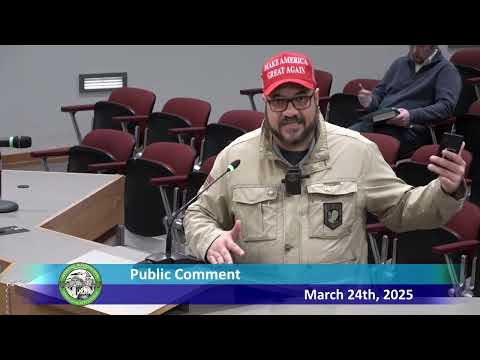
Opponents and some neighborhood residents warned of possible impacts on historic character, infrastructure and livability. Will Hewings, a downtown resident, said he opposed the interim ordinance and warned of “loss of historic character,” “overburdening infrastructure,” and “shadowing and reduced livability.” Other public commenters raised concerns about wind effects, emergency response, and the potential for a concentration of purely low-income high-rises.
Council members debated those tradeoffs during a public hearing that included multiple developers, downtown business representatives and neighborhood residents. Several council members noted prior work on downtown planning and impact fees intended to limit infrastructure burden; Councilmember Klitzke said shading protections for Peaceful Valley would remain in place and corrected an earlier cost estimate, saying the STA Plaza roof overlay was closer to $1.7 million, with other work (a generator) accounting for additional costs discussed in a board meeting.
After public testimony the council moved to close the hearing, then moved and seconded adoption of the ordinance. The motion was carried by voice vote with council members answering “aye” and no recorded opposing votes during the roll call on the floor.
What the ordinance does: it establishes an interim chapter for height limits in downtown (17C.0.425 SMC), fixes inconsistencies between zone height limits and removes provisions the council described as an artificial barrier to development. The ordinance is designed as an enabling change; it does not itself authorize construction projects, nor does it appropriate funding.
Council comment emphasized that changes to codes alone will not instantly produce construction; several members said the move is one of several steps — alongside impact-fee adjustments, public-private partnerships and tax-credit tools — intended to attract private investment and to increase housing supply. Councilmember Bingle framed the vote as a tangible step “to get cranes in the sky.”
Council direction and next steps: the ordinance was adopted as an interim measure. Staff and the planning department will continue technical work on development standards, tall-building standards and any related permitting adjustments; no immediate funding or contract decisions were made as part of this ordinance.
The council advised that individualized shading protections and infrastructure impacts will be monitored as projects are proposed and that other regulatory tools remain in place to address neighborhood concerns.
The council closed the hearing and proceeded with the remainder of its agenda.