Get Full Government Meeting Transcripts, Videos, & Alerts Forever!
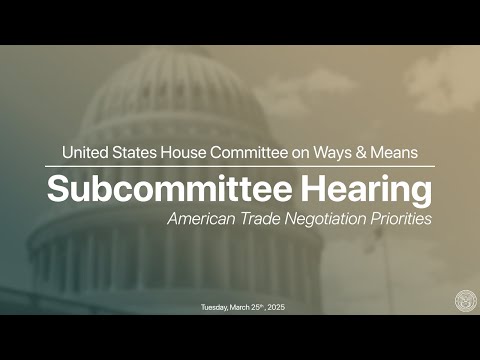
Experts tell subcommittee a U.S.-U.K. trade agreement is feasible and could set digital and regulatory standards
Summary
A senior adviser from CSIS urged the committee to pursue a comprehensive U.S.–U.K. trade agreement to harmonize regulatory procedures, secure data-flow rules, and construct a trade remedy mechanism against non-market practices.
Meredith Broadbent, nonresident senior advisor at the Center for Strategic and International Studies and Scholl Chair in International Business, told the House Trade Subcommittee that the United States should prioritize a comprehensive trade and investment agreement with the United Kingdom to set global standards on regulation and digital trade.
Broadbent said the U.K.’s accession to the Comprehensive and Progressive Agreement for Trans-Pacific Partnership (CPTPP) and post-Brexit regulatory autonomy create a rare window for…
Already have an account? Log in
Subscribe to keep reading
Unlock the rest of this article — and every article on Citizen Portal.
- Unlimited articles
- AI-powered breakdowns of topics, speakers, decisions, and budgets
- Instant alerts when your location has a new meeting
- Follow topics and more locations
- 1,000 AI Insights / month, plus AI Chat