Get Full Government Meeting Transcripts, Videos, & Alerts Forever!
Get email alerts on the Zoning Environmental topic
No spam. Unsubscribe anytime.
Resident urges Burton to create C‑5 "environmentally sensitive" commercial zone; staff recommends updating standards instead
Summary
A resident asked the planning commission to add a C‑5 environmentally sensitive business zoning category to protect groundwater and wells from businesses such as gasoline stations and battery storage; staff and commissioners discussed existing industrial zoning and options to revise standards rather than create a new zone.
A Burton resident told the Planning Commission he wants the city to adopt a new commercial zoning category — branded in his remarks as “C‑5 environmentally sensitive business” — to limit placement of businesses that use or store chemicals, such as gasoline stations, battery storage and certain recycling operations.
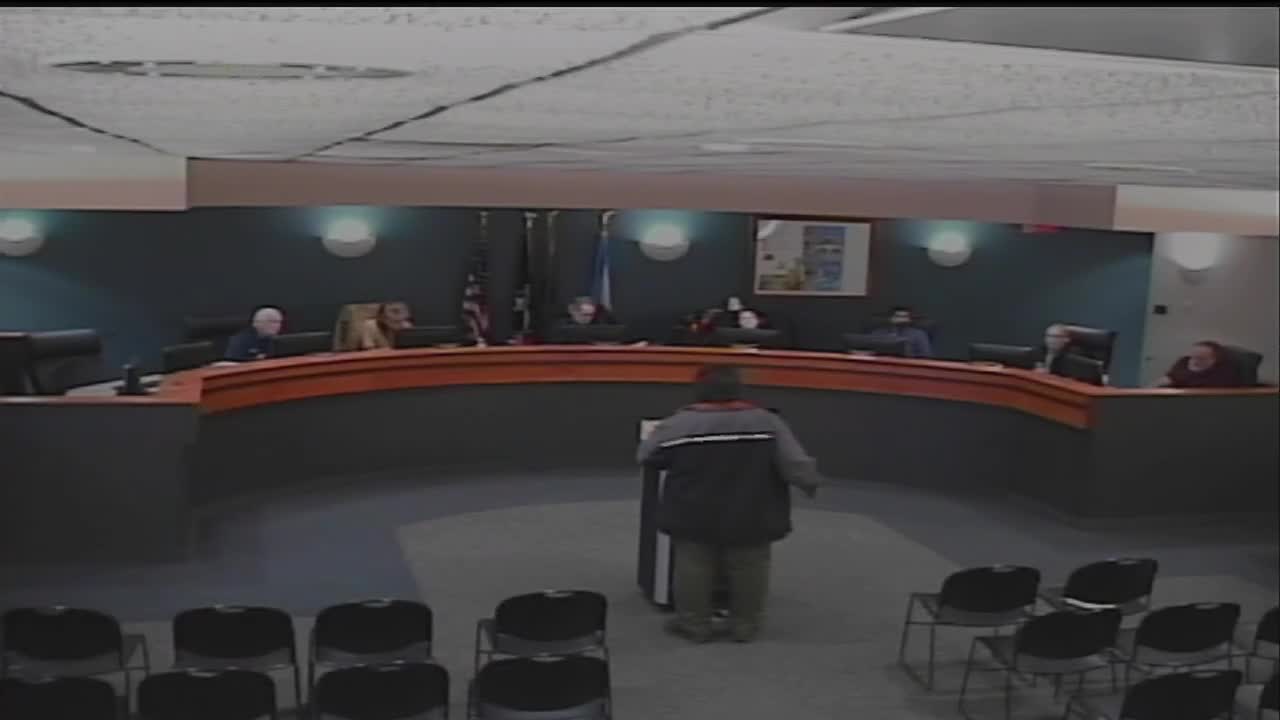
Patrick Dargo, a resident who identified his address during public comment, said adding a C‑5 classification would help the public and developers identify locations where potentially polluting businesses should be restricted. “I would like the planning commission to consider adding an additional zoning classification,” Dargo said, adding the change would “solidate the goal of a master plan and provides additional defense.”
Discussion by commissioners and staff focused on whether a distinct C‑5 zone was necessary. A planning staff member recommended instead updating zoning standards and the ordinance where environmental protections are needed, saying the existing industrial zones already accommodate many higher‑risk uses. The staff view, as summarized in the meeting, was: “If that is what you wanted to do…you would want to revise your zoning ordinance and move them into an industrial zone, which covers all those other types of businesses that he referred to.”
Commissioners raised implementation questions: whether existing uses would be grandfathered (staff confirmed they would not be forced to close), how the change would be applied over time, and whether the master‑plan review should emphasize environmental objectives. Staff also noted regulatory oversight outside city control — for example, gasoline stations must be approved by the state — as a limit on local authority.
Ending: The commission did not adopt any ordinance changes at this meeting. Staff recommended that environmental protection objectives be incorporated into the master‑plan update and, if desired, translated into specific zoning or ordinance revisions during a future code update.