Get Full Government Meeting Transcripts, Videos, & Alerts Forever!
Get email alerts on the Master Plan Update topic
No spam. Unsubscribe anytime.
Burton planning commissioners agree to focus 5‑year update on goals, infrastructure and public engagement
Summary
Planning commissioners asked staff to seek consultant proposals to refresh the city’s 2018–2038 master plan, emphasizing review of goals and objectives, updated infrastructure data and both in-person and online public outreach.
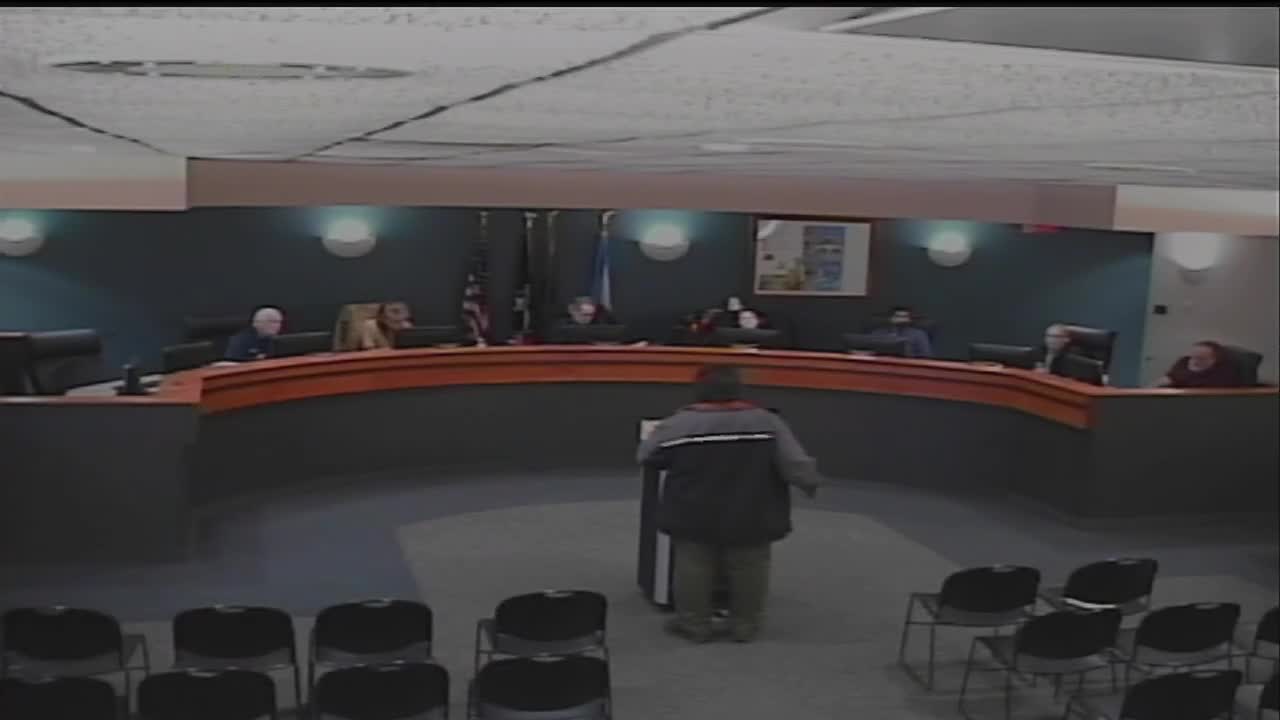
Burton Planning Commission members on a March meeting directed staff to request consultant proposals to perform a five‑year update of the city’s master plan, with a narrow scope focused on refreshing goals and objectives, updating infrastructure data and conducting both an in‑person public meeting and an online survey.
The commission’s discussion followed public comment and a staff presentation saying the city still has budget authority to start work before June 30. City staff recommended asking consultants for proposals that concentrate on strategies and goals rather than a full rewrite of the plan’s technical market and demographic data.
The move matters because the plan (referenced in the meeting as the Burton Master Plan 2018–2038) serves as the city’s policy guide for land use, infrastructure and economic strategy. Commissioners said some goals in the current plan are vague or unrealistic and flagged sections that need updating — specifically infrastructure (roads, water and sewer), existing land‑use maps and achievable strategic objectives.
During discussion, several commissioners emphasized updating the city’s street condition data (PASER ratings) and utility maps so the plan reflects recent pavement and sewer/water projects. Staff noted a recent design grant for nonmotorized transportation and said the design work should make future grant applications for installation stronger.
Commissioners split on how expansive the update should be. Multiple members and staff recommended limiting the consultant request to: (1) a review and refresh of goals and objectives; (2) updates to existing and future land‑use maps and infrastructure tables; and (3) a public outreach plan that includes at least one in‑person meeting and an online survey. The commission asked staff to return with proposals and prices at the next meeting and suggested a possible special meeting in two weeks if commissioners want to accelerate feedback to the consultant.
A number of topics commissioners suggested for the consultant scope were listed during the meeting: strategies to attract businesses, clarification of which recommendations are within the commission’s authority, sidewalk and trail priorities tied to a nonmotorized design grant, and corrections to map details such as school district boundaries.
Ending: Staff said it would seek consultant proposals based on the commission’s direction and present options and costs at the next meeting. The commission did not adopt any binding policy changes during the session; rather, members approved moving forward with a scoped consultant solicitation and a public‑engagement plan.