Get Full Government Meeting Transcripts, Videos, & Alerts Forever!
Get email alerts on the Hotel Tax topic
No spam. Unsubscribe anytime.
Perrysburg administrator proposes doubling hotel tax to fund safety and economic development
Summary
City Administrator Joe Fawcett asked the Finance and Economic Development Committee to support raising the city's hotel tax from 3% to 6% to pay for growing public safety costs and a targeted economic development program; the committee agreed to move the proposal to full council for further consideration.
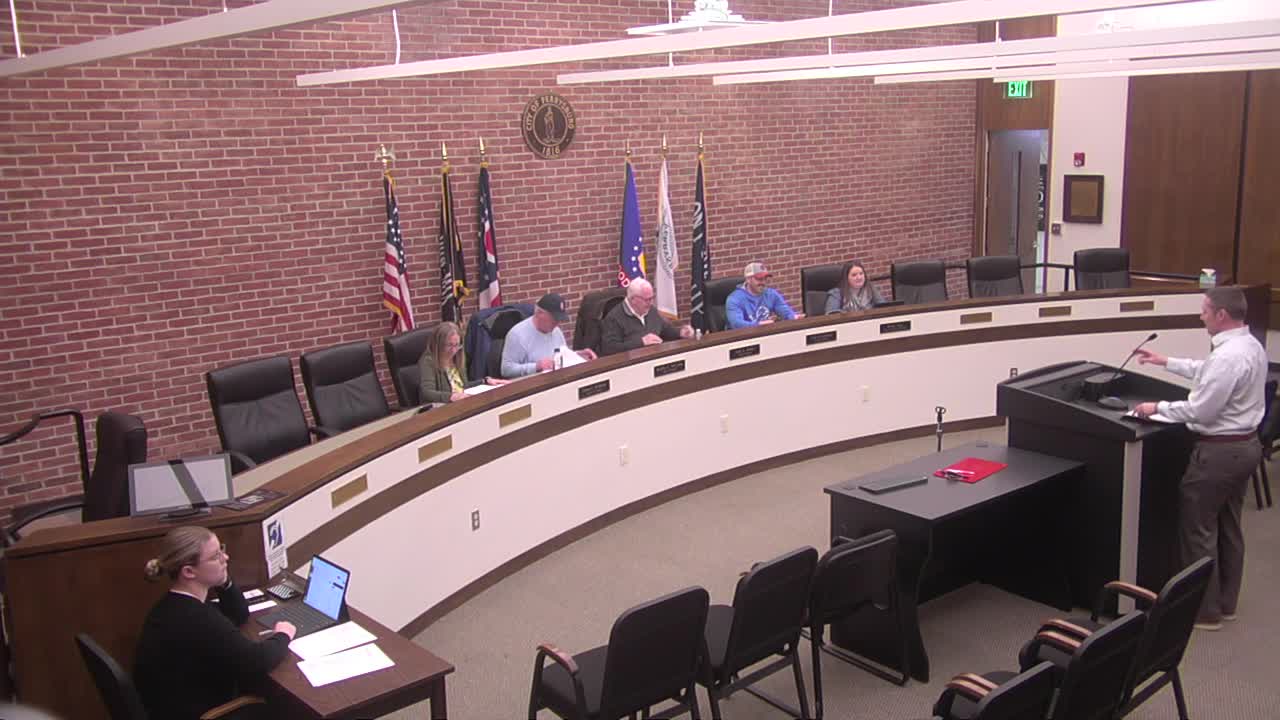
City Administrator Joe Fawcett asked the Perrysburg Finance and Economic Development Committee on Feb. 7 to increase the city's hotel tax from 3% to 6% to fund public safety staffing and a targeted economic development program.
Fawcett told the committee the request is intended to preserve the city's 1.5% income tax rate while providing a new revenue stream to pay for rising costs in the fire and police divisions and to proactively acquire and zone land for industrial and manufacturing development. "Doing so would ensure our safety forces have the resources to serve our community today and into the future," Fawcett said.
The administration provided context for the request, saying Perrysburg's population and area have both grown substantially since 1990 and that the safety budget is a major portion of the general fund. The 2025 budget lists the safety department at $17,742,889, or roughly 54% of the general fund, and Fawcett cited higher equipment costs and growing staffing needs as drivers for new revenue.
Fawcett said the proposed change would also allow the city to work with regional partners to assemble and prepare sites for industrial and manufacturing development by acquiring land, ensuring infrastructure and rezoning where needed. He argued that one industrial project has a different impact on emergency services than an equivalent amount of residential development and that the tax would let the city plan for those differences.
The proposal would apply the same rate to short-term rentals as to hotels. "Part of this plan includes treating short term rentals the same as our hotels and charging the proposed 6% tax," Fawcett said, adding that the administration expects many nearby jurisdictions already have rates at or above 6% and that the per-night difference for typical room rates would be roughly $2 to $6 for a $100 to $200 room.
Council member Tim McCarthy said he supports the rationale but said he will recuse himself from later votes because his family owns short-term rentals. "I'll be abstaining from that conversation down the line. My family does have some short term rentals," McCarthy said.
Committee members indicated consensus to send the proposal to full city council for additional hearings and possible readings. The committee did not set a final effective date; members discussed offering hotels and the public ample notice if council advances the measure.
The committee and administration also discussed enforcement for short-term rentals, describing a software platform the city would contract with to register and collect from short-term rental operators. Fawcett said details of enforcement and registration would be worked out with that vendor.
Next steps: the committee moved the proposal to full council for further consideration and public input. Council will determine readings, timing and any final ordinance language.