Get Full Government Meeting Transcripts, Videos, & Alerts Forever!
Get email alerts on the Codes Revenue topic
No spam. Unsubscribe anytime.
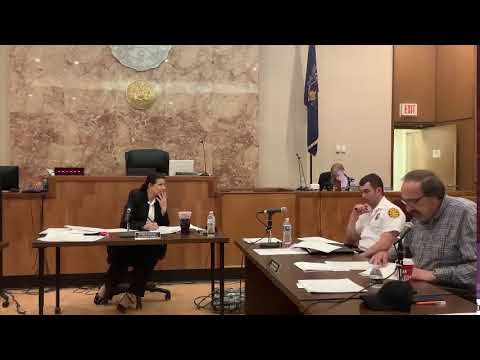
Committee questions code enforcement revenue tracking as staff seek higher fines and grass‑cut fees
Summary
Members pressed codes staff for clearer revenue accounting after large year‑to‑year swings in rental‑permit and building‑permit revenue; codes proposed fee increases for repeat violations and a small rise in per‑square‑foot grass‑cut rates for contractor viability.
Finance committee members pressed code enforcement staff for clearer, more consistent revenue accounting after staff presented volatile year‑to‑year figures for rental permits and building permits.
Committee members said rental‑permit revenue varied widely across recent years — for example, figures shown in the packet ranged from roughly $7,500 in one year to more than $60,000 in another — and asked whether new software and process changes are being used effectively to capture and classify receipts. Staff said some revenue currently posts in multiple lines and that liens and contractor reimbursements can cause timing differences between when work is done and when money posts to the ledger.
Codes staff asked the committee to consider modest fee adjustments to keep third‑party contractors willing to perform nuisance‑abatement work. Specifically, staff proposed raising the contractor payout basis from $0.016 per square foot to $0.02 per square foot. Staff said some contractors consider the lower rate unworkable for small lots and that a higher rate would improve vendor participation and timeliness of abatement work.
Codes also proposed fine increases for repeat offenses (examples discussed included raising a first‑offense administrative fee from $50 to $100 and a second offense from $250 to $500) and requested a larger revolving fund balance to cover upfront contractor costs for mowing, garbage removal and building‑safety work.
Committee members asked finance staff and codes to separate expenditure and revenue lines more clearly (for example, distinct lines for liens, fines/fees and contractor reimbursements) so that the city can project net revenue and encumber funds for capital or vehicle replacements. Staff agreed to provide month‑by‑month volumes of rental inspections and permit activity so the committee can set realistic revenue projections for next year.
No fee change or ordinance was adopted at the meeting; staff were asked to return with recommended language, projected revenue impacts and a clearer chart of how lien and contractor collections post to the city’s accounting system.