Get Full Government Meeting Transcripts, Videos, & Alerts Forever!
Get email alerts on the Immigration Harboring Hb335 topic
No spam. Unsubscribe anytime.
Idaho committee hears hours of testimony on bill that would criminalize aiding undocumented immigrants; sponsor's motion to advance fails, bill held incommittee
Summary
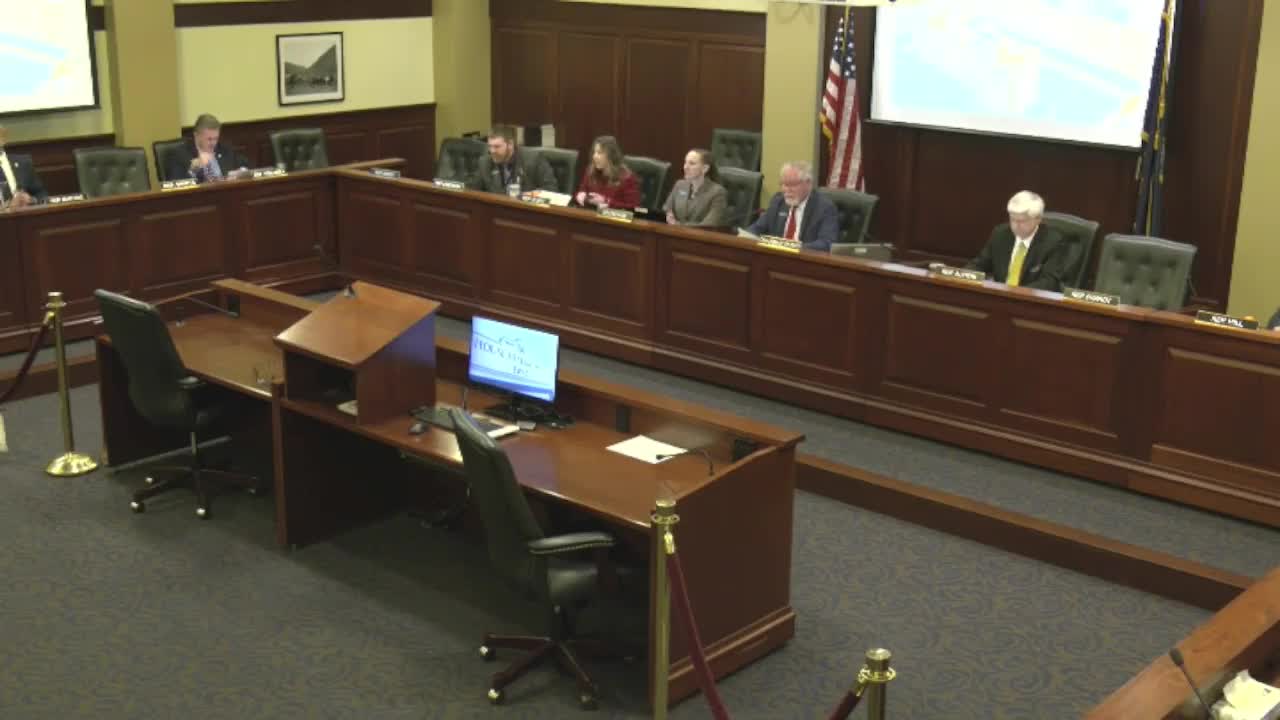
Lawmakers debated House Bill 335 for more than an hour as attorneys, faith leaders, law enforcement and advocacy groups warned the measure could criminalize legal advice, shelter and routine charity; committee voted to hold the bill in committee after a failed motion to send it to general orders.
Representative Dale Hawkins, sponsor of House Bill 335, told the House Judiciary, Rules and Administration Committee the measure would "make it illegal for anyone to knowingly help, hide, or transport individuals who are in The United States illegally." Hawkins said the bill targets organizations that "intentionally" assist people who entered the country in violation of federal law and that it includes exemptions "for law enforcement, emergency responders, and first responders acting in their official capacity."
The bill prompted extensive testimony from a wide range of witnesses who warned it was overbroad and likely preempted by federal law. "This bill has very serious concerns for us because we advise people of their immigration rights in the country," said Nikki Ramirez Smith, identifying herself as an immigration attorney. She said provisions that criminalize providing "legal assistance to an alien in the state" could make immigration lawyers felons for doing routine, court‑mandated advice. "There are a number of statutes and federal case law that mandate certain things," she told the committee, citing Padilla v. Kentucky and protections under the Idaho Constitution and the Sixth Amendment.
Attorneys and civil‑liberties groups urged the committee to reject the bill. "This bill is overtly and irredeemably unconstitutional in several ways," Emily Croston, a staff attorney with the ACLU of Idaho, told members. She cited federal preemption and conflict with statutes that protect an individual’s right to counsel in removal proceedings, and warned the measure criminalizes speech and conduct protected by federal law. Jacob Rourke, an immigration defense lawyer, argued federal law — including 8 U.S.C. provisions referenced in testimony — occupies the field of immigration and would preempt state penalties. He said: "Federal law in the field of immigration ... preempts."
Faith leaders, charities and several local officials said the bill could sweep up routine charitable and pastoral activities. Christian Welp, speaking for the Catholic Church in southern Idaho, said parish priests and volunteers routinely help people seek legal status and "they do trust the Catholic Church." He asked how priests or counselors would respond if a parishioner disclosed undocumented status, saying the bill’s language could require reporting to authorities. "If this bill were to pass, every time someone came to us to begin the process of legalization, we would have to tell them something along the lines of, 'Thank you for coming in. Please wait here while I call the police,'" Welp said.
Law enforcement witnesses raised different concerns. Ada County Sheriff Matt Clifford asked that the bill be held or amended because the law enforcement exception, as drafted, did not appear broad enough to let deputies help crime victims who lack immigration status. "The law enforcement exception ... does not include an exception to law enforcement when dealing with victims of crime," Clifford said, citing routine interactions between jail deputies, dispatchers and noncitizen victims.
Other witnesses urged support. Dan Shepherd of "Idaho tough on crime" and Sherry Rendell of the Federation for American Immigration Reform said the bill would deter organizations that "thwart federal law" and reduce costs the state allegedly bears for undocumented migrants. "This proposed legislation is a necessary and reasonable step to ensure that Idaho upholds the rule of law," Shepherd said. Kristen Christiansen of Heritage Action for America also urged passage, saying the bill "protects Idahoans from organizations that would thwart federal law by harboring those who have not entered the country legally."
Committee members pressed witnesses about specific provisions, repeatedly pointing to the clause that would make it unlawful for an organization to "provide, promote, or advertise shelter, financial support, or legal assistance to an alien in the state" if the organization "knows or recklessly disregards" the individual is unlawfully present. Several attorneys said that phrasing could sweep in domestic‑violence shelters, victim advocates and court services. "Provide, promote or advertise shelter ... I feel that would apply to domestic violence shelters," counsel Nikki Ramirez Smith said.
After public testimony and member discussion, Representative Joe Mathias moved to hold the bill in committee. A prior substitute motion to send HB 335 to general orders failed 6–9. The committee then voted to hold HB 335 in committee; the motion to hold passed 10–5. The committee did not adopt amendments during the hearing; members described outstanding constitutional and implementation questions they wanted addressed before any further action.
The sponsor, Hawkins, said the bill's intent was to target organizations that intentionally facilitate unlawful entry and to avoid criminalizing ordinary charity, but he acknowledged language and scope concerns raised in testimony. The committee also received written and verbal testimony both for and against the measure and did not set a date for further consideration.
Votes and next steps: The committee voted against a substitute motion to advance HB 335 to general orders (motion failed 6–9) and then voted to hold the bill in committee (motion passed 10–5). Committee members said they expect additional drafting or amendment if the sponsor pursues the bill again.