Get Full Government Meeting Transcripts, Videos, & Alerts Forever!
Get email alerts on the Magistrate Duties And Court Capacity topic
No spam. Unsubscribe anytime.
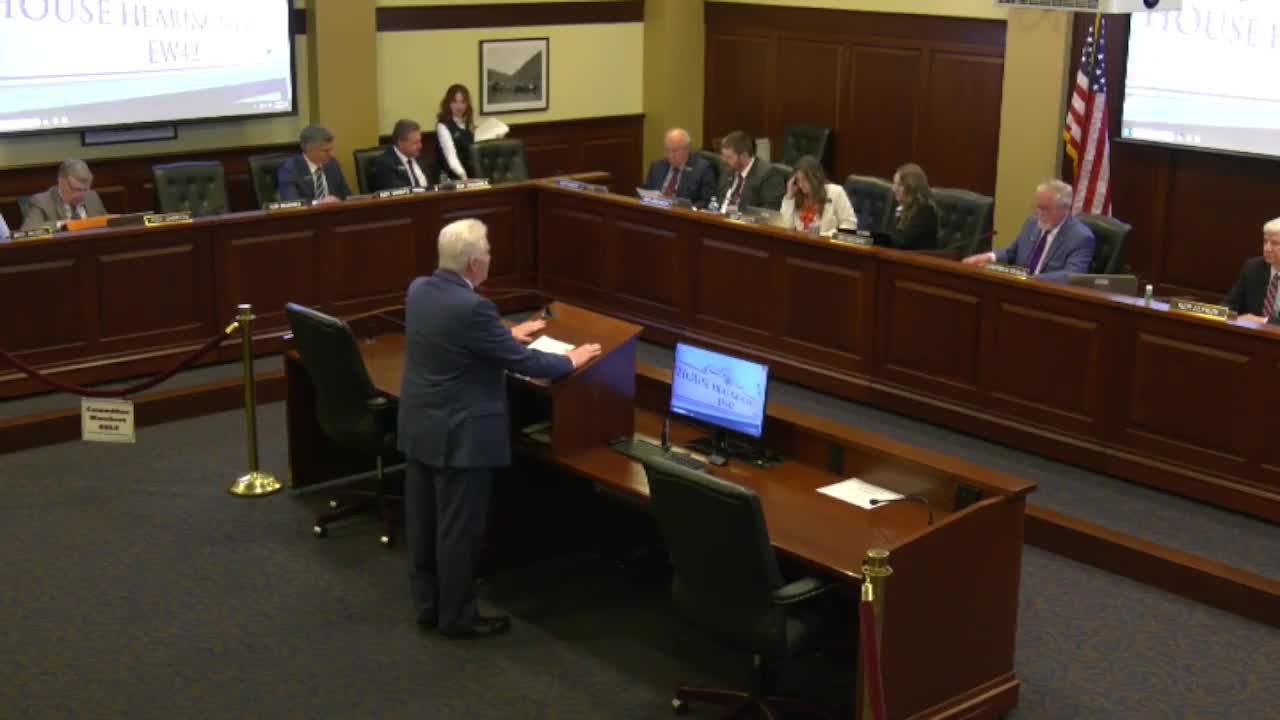
Magistrate judges tell committee after-hours work, travel and unmanaged mental health strain courts
Summary
Three magistrate judges told the House Judiciary, Rules and Administration Committee that on-call duties, long travel across Idaho and unmanaged mental-health cases create heavy workloads and affect court operations, citing thousands of warrants, extensive travel time and growing child-protection and juvenile caseloads.
Magistrate judges told the House Judiciary, Rules and Administration Committee that after-hours warrant duties, lengthy travel in rural districts and unmanaged mental-health needs are straining Idaho’s lower courts.
The three judges — Senior Magistrate Judge Brian Murray, Ada County Magistrate Judge Reagan Jamieson and Nez Perce County Magistrate Judge Karen Suebert — described frequent late-night calls for probable-cause hearings and warrants, long weekly travel in the state’s largest judicial districts and a steady rise in cases in which mental-health problems intersect with family, juvenile and criminal dockets.
The presentations matter because magistrate judges handle the majority of everyday interactions Idahoans have with the judicial system: misdemeanors, search and arrest warrants, child-protection removals, involuntary commitments and family law matters. Judges said those duties often occur outside normal business hours, require immediate legal review and are complicated by scarce local services.
"A large percentage of cases that we see especially in the criminal docket involve domestic battery and driving under the influence charge charges and these types of cases often require a warrant," Judge Reagan Jamieson told the committee, explaining the process for nighttime probable-cause calls. Jamieson described the typical on-call sequence: waking, activating a recorder, swearing in an officer and listening to probable-cause statements before deciding whether to sign a warrant.
Jamieson emphasized constitutional limits on searches: "it is the magistrate's judge's job to do 2 things. First, to make sure there's actual probable cause to sign that warrant and that that warrant is narrowly tailored... in order to adhere to the Fourth Amendment of the Constitution." She said search-warrant requests often include lengthy affidavits seeking phone and computer data in cases such as child exploitation.
Senior Magistrate Judge Brian Murray told members that magistrates statewide rotate on-call duties where possible, but not every district can share the burden. "Some of my magistrate colleagues are on call 24 hours a day 7 days a week," he said, noting the operational consequences if a call is missed: lost evidence or an unlawful arrest.
Jamieson offered specific workload figures for Ada County: "In 2024, Ada County magistrate judges signed a total of 2,556 warrants. We handled on average of about 18 after hour and weekend calls per week and we spent on average over an hour hearing probable cause on arrests that were made on Saturday and Sunday."
Judge Veil Bridal (Butte County, Seventh Judicial District) described the geographic burdens of rural judging: the Seventh District covers thousands of square miles and multiple counties. She said magistrates in the region handle roughly 1,500 cases a year, travel long hours and lose significant bench time to transit. "I spend at least 4.5 hours a week on the road, sometimes up to 8 hours," she said, adding that several judges in the district write decisions on weekends because of the travel and docket demands.
Nez Perce County Magistrate Judge Karen Suebert summarized how unmanaged mental health appears across court dockets: family law disputes, juvenile matters, criminal competency questions, involuntary-commitment hearings and civil protection orders. She said co-occurring substance use and limited local services compound the problem and pointed to collaborative efforts such as the Idaho Behavioral Health Council and local sequential-intercept workshops as steps toward better coordination.
Suebert described locally organized response work: "From those efforts, we have been continuing to have quarterly stakeholder meetings to continue those conversations and I'm proud to help spearhead those ongoing efforts and discussions in my community."
Committee members asked procedural and technology questions; Jamieson confirmed that prosecutors and officers now can present probable-cause information remotely, reducing the need for late-night in-person visits to judges’ homes.
The presenters asked the committee to consider operational supports that would reduce burdens: additional magistrate resources in large rural districts, expanded local behavioral-health services to reduce repeated court interventions and continued use of remote technology where appropriate.
The presentations concluded without a committee vote; the panel moved on to the bill hearing scheduled for the same session.