Get Full Government Meeting Transcripts, Videos, & Alerts Forever!
Get email alerts on the Pages Pay topic
No spam. Unsubscribe anytime.
House committee advances bill to allow legislative pages who are relatives to be paid
Summary
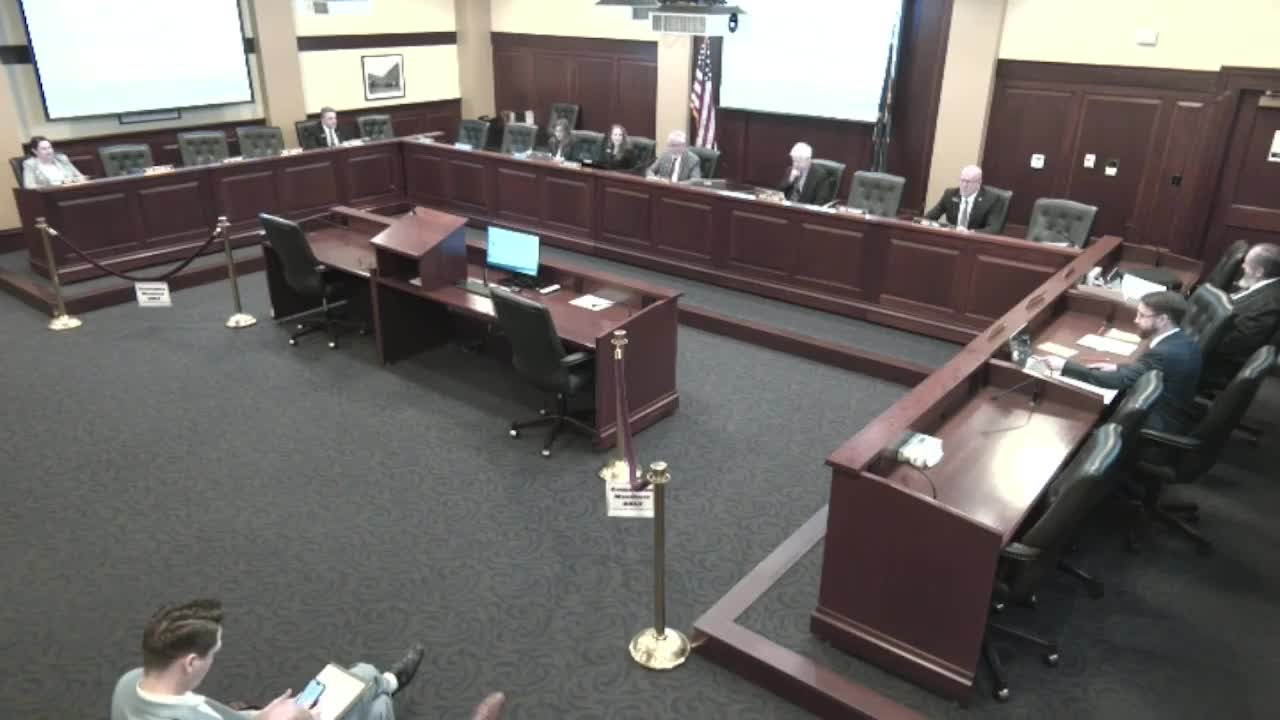
The House Judiciary, Rules and Administration Committee voted to send House Bill 280 to the floor with a due-pass recommendation. Sponsor Representative Kevin Andrus said the bill removes a prohibition on paying pages who are close relatives of legislators; the motion passed by voice vote and was recorded as unanimous.
A House committee voted to advance legislation that would allow legislative pages who are close relatives of a lawmaker to receive pay for their service.
Representative Kevin Andrus, R-District 35, introduced House Bill 280 during the Judiciary, Rules and Administration Committee hearing on Feb. 25, saying the current rule bars paying pages who are related to legislators and that he wants to change that. “If you are a relative, a closer relative to a legislator, you do not get paid. And I think that is wrong and so this bill makes it to where those pages can be paid and I do not think that there's anything improper for a relative of a legislator to be paid for their work,” Andrus said.
The bill was moved to the House floor with a due-pass recommendation by Representative Heather Scott. The committee conducted a voice vote; the chairman announced the motion carried and that the vote was unanimous. No roll-call tally was recorded in the transcript.
Supporters said the change simply permits compensation for work currently provided by pages who are related to legislators. There was no public testimony registered for HB 280 at the committee hearing.
The committee’s action sends House Bill 280 to the full House for further consideration; the transcript does not record additional details about implementation, funding, or oversight for payment mechanisms.
The committee then proceeded to consider other bills on the agenda, including House Bill 270, a separate measure concerning indecent exposure statutes.