Get Full Government Meeting Transcripts, Videos, & Alerts Forever!
Get email alerts on the Urban Forestry topic
No spam. Unsubscribe anytime.
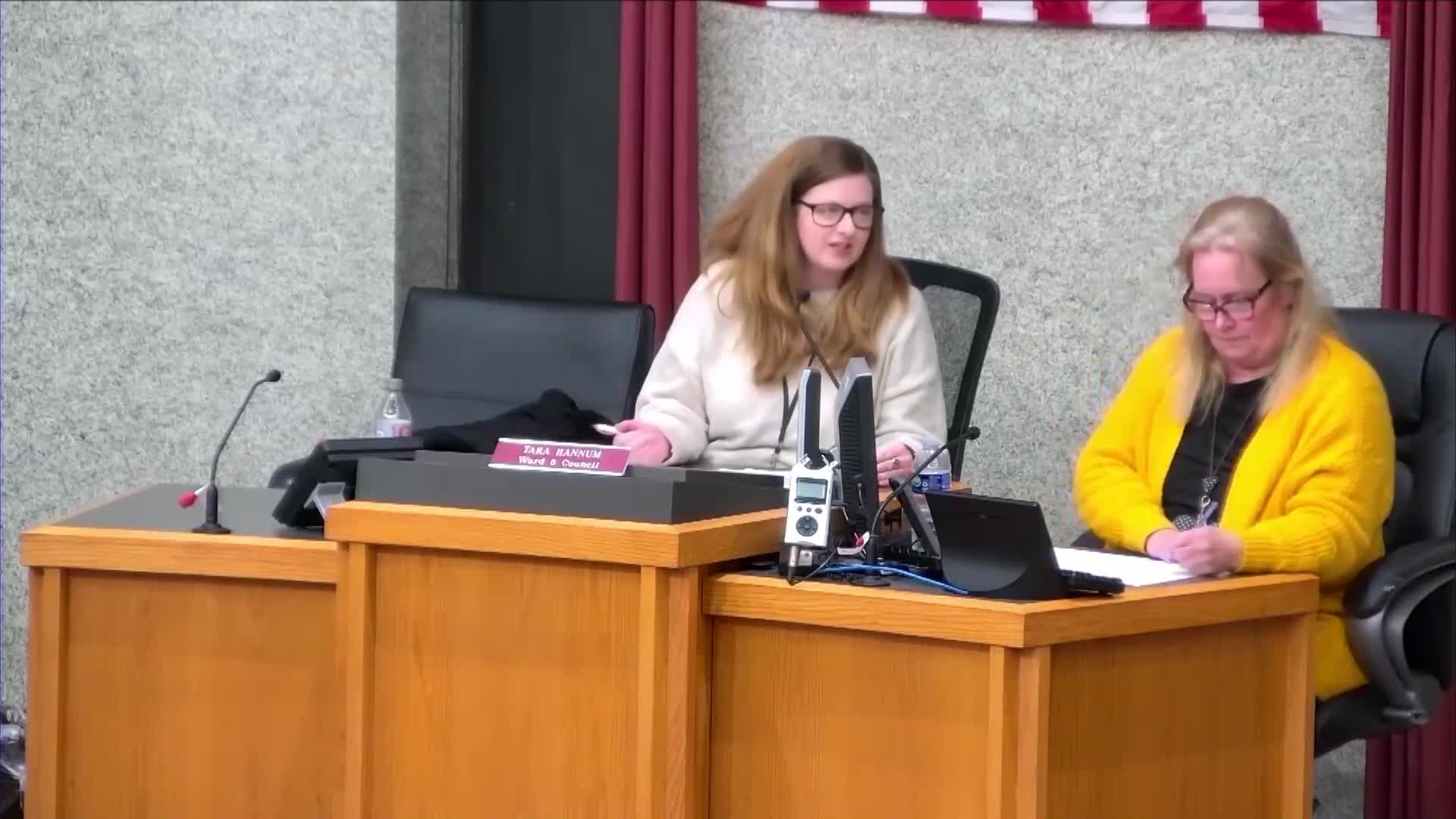
Euclid committee meets new urban forester, lays out $525,000 grant-funded forest management work
Summary
At a meeting of the city sustainability committee, newly hired Urban Forester Jody Lathwell outlined a citywide urban forest management effort funded in part by a $525,000 federal grant; officials described an inventory showing more than 18,000 planting sites and identified staffing, equipment and maintenance priorities.
The Sustainability and Environmental Stewardship Committee of the City of Euclid met to introduce the city’s new Urban Forester, Jody Lathwell, and to discuss an Urban Forest Management Plan (UFMP) funded in part by a federal grant of $525,000.
The discussion centered on an inventory of street trees and planting sites conducted by Davey Resource Group, staffing and equipment shortfalls, and near-term opportunities to gather resident input at a public meeting scheduled for Saturday at the high school. Director Patrick Groganmeyer (Planning and Development) said the grant will fund the UFMP, the inventory work and pay for Lathwell’s position “for approximately the first 2 to 3 years, depending on costs.”
Lathwell described her background and the goals for the UFMP. “I have been a professional horticulturist for lots of years,” she said, and said the UFMP will address maintenance, planting and policy questions. She told the committee she is “always available for phone calls…and emails” as she begins outreach and program development.
Committee members and staff reviewed inventory figures from Davey Resource Group: there are more than 18,000 street-tree planting sites citywide, and roughly 45% of those sites currently have trees. The inventory also identified pruning recommendations for more than 5,000 trees, over 2,000 stumps slated for removal, and a cohort of roughly 760–766 young trees targeted for early “young tree training.” Committee members also said about 25 large or dead trees were identified for high‑risk pruning or removal as part of earlier work funded by grant dollars.
On staffing, Lathwell estimated an arborist team “of 3 to 5 people” would be needed to provide a more consistent program, while noting the final number will be determined in the UFMP. Council members pressed on response procedures for city‑owned green spaces in residential areas; Lathwell and staff said the city currently takes calls about trees on city property but that physical response capacity is limited and will be part of future planning.
Equipment needs were flagged as a constraint. Lathwell and staff said some equipment exists — including hand tools and a bucket/cherry picker — but that larger tools are aging and the bucket truck had been out of service for maintenance. Director Groganmeyer and committee members said equipment upgrades are part of the UFMP and budgeting discussion.
Several committee members framed the work as infrastructure maintenance rather than a purely cosmetic program. Groganmeyer said the city has deferred maintenance and will need to “get caught up a little bit” before moving to a regular 5–7 year rotating maintenance cycle. He added that the urban forestry work intersects with stormwater management and regulatory obligations; Groganmeyer specifically referenced an EPA consent decree as a contextual driver for coordinated infrastructure work.
Committee members were encouraged to send residents to the UFMP public meeting to provide input on priorities and local concerns. Lathwell provided a direct contact for residents during the discussion and said she is starting to take calls and email inquiries about tree issues.
No formal policy or ordinance vote was taken during the meeting. The committee completed two routine motions recorded in the meeting: a motion to excuse two members and a motion to adjourn. The meeting adjourned after a motion by Councilman Tanner.