Get Full Government Meeting Transcripts, Videos, & Alerts Forever!
Get email alerts on the Medical Cannabis topic
No spam. Unsubscribe anytime.
Boise veteran describes cancer fight and urges lawmakers to consider strict medical cannabis measure
Summary
Sergeant Jeremy Kitzhaber told the House Health and Welfare Committee about his stage‑4 Pseudomyxoma peritonei cancer and urged lawmakers to consider House Bill 401, a tightly regulated medical cannabis proposal he helped draft; the presentation was informational and no committee action was taken on the bill.
Boise resident and 22‑year Air Force veteran Sergeant Jeremy Kitzhaber told the House Health and Welfare Committee on an informational appearance that he has stage‑4 Pseudomyxoma peritonei and is seeking legal access to medical cannabis for symptom control.
Kitzhaber described repeated surgeries and more than 150 rounds of different cancer treatments and said conventional opioids worsen intestinal complications produced by his disease and prior operations. “There are many Idahoans who with doctors concurrence need to have access to the ability to try medical cannabis products for serious medical conditions without the fear of criminal prosecution and conviction for their treatment of their injuries and illnesses,” Sergeant Jeremy Kitzhaber said.
The presentation mattered because Kitzhaber said he has worked since 2019 on a personal bill, House Bill 401, dubbed the Sergeant Kitzhaber Medical Cannabis Act, which he and Representatives Redmond and Rubell introduced this year. He emphasized that the bill would be tightly restricted and focused on medical — not recreational — use. The committee did not hold a hearing or vote on HB 401; the appearance was informational only.
Kitzhaber said his draft would limit participation to patients whose providers can prescribe opioids, require physicians to set dosing, cap raw cannabis flower at 60 grams for a 60‑day supply for authorized patients, and cap product THC potency at 22 percent. He told the committee that the program would be run by the State Board of Pharmacy with a physician‑entered electronic registry accessible to law enforcement and that public smoking and diversion would carry immediate, strict penalties including loss of a medical card on a first violation.
Kitzhaber also reviewed federal and other states’ developments. He told the committee that the Food and Drug Administration and Health and Human Services have recently reviewed cannabis and that HHS recommended reclassifying marijuana from Schedule I to Schedule III; he said rescheduling legislation has been reintroduced in Congress but has not passed. He noted that 39 states now allow some form of legal medical cannabis and that many of those states operate tightly regulated dispensary systems.
Committee members asked Kitzhaber about practical concerns raised by lawmakers, including whether medical cards would be tied to pharmacy distribution, effects on veterans’ access to VA care, and firearm rights. Kitzhaber said pharmacies cannot dispense cannabis until federal scheduling changes occur and that most medical programs use secure, dispensary‑style systems. He told the committee he had reviewed other states’ laws and included provisions in HB 401 intended to protect gun rights unless a patient commits a separate disqualifying offense.
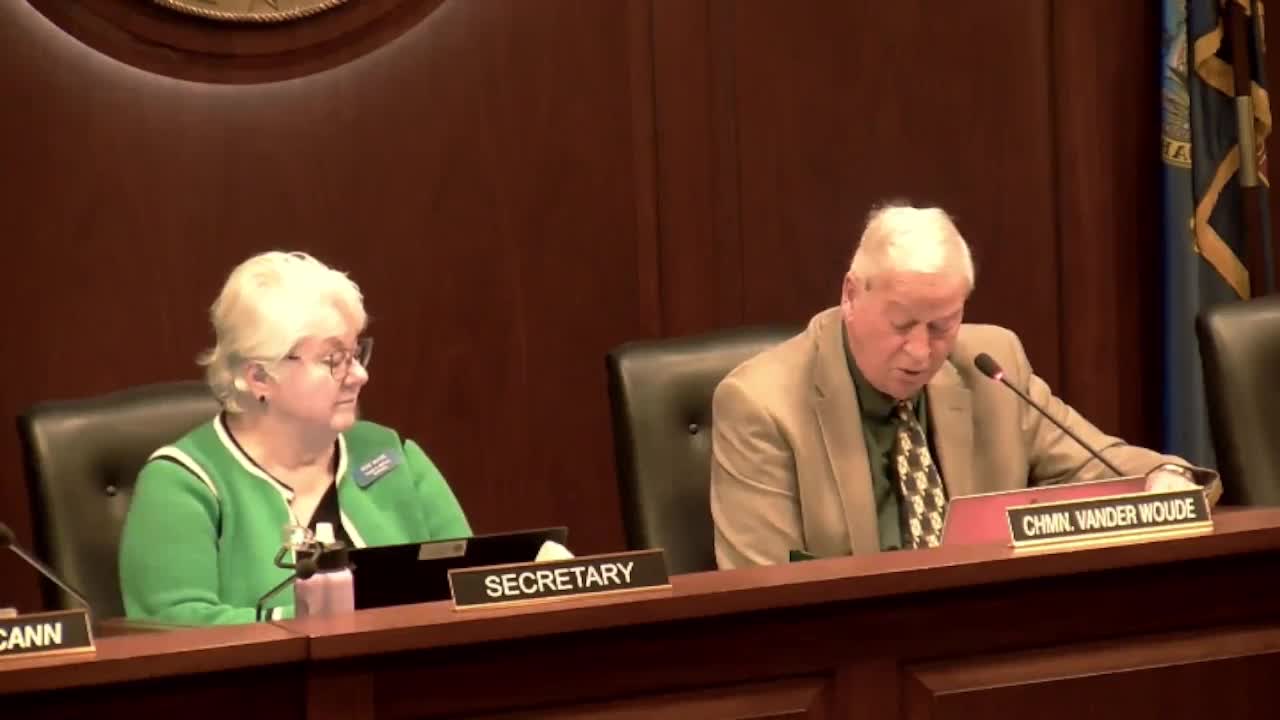
Representative Rubell and other members thanked Kitzhaber for sharing his experience. Chairman of the committee reminded members that no bill was before the committee during his appearance. The committee did approve routine minutes from the March 10–11 meetings earlier in the session by voice vote; no formal committee action was taken on HB 401 during this meeting.
Kitzhaber said the bill is modeled in part on Utah’s law but is narrower in dosing and age limits; he described the proposal as a compassionate, medical‑only alternative that might reduce opioid use for some patients. He urged legislators to consider narrowly written exceptions for people with serious medical conditions so they are not subject to criminal penalties when other treatments have failed.
The committee closed the informational session with questions and left any future consideration of HB 401 to the formal legislative process. No committee motion or vote was recorded on the substance of the Kitzhaber bill during this meeting.