Get Full Government Meeting Transcripts, Videos, & Alerts Forever!
Get email alerts on the Maritime Pilotage topic
No spam. Unsubscribe anytime.
Senate approves routine update to pilotage rates after industry briefing
Summary
Senate Bill 68, updating pilotage rates under Title 23 of the Delaware Code, passed after testimony from Jerry Meade of the pilot association about operations and recruiting; senators asked about workforce, apprentice numbers and safe boarding practices.
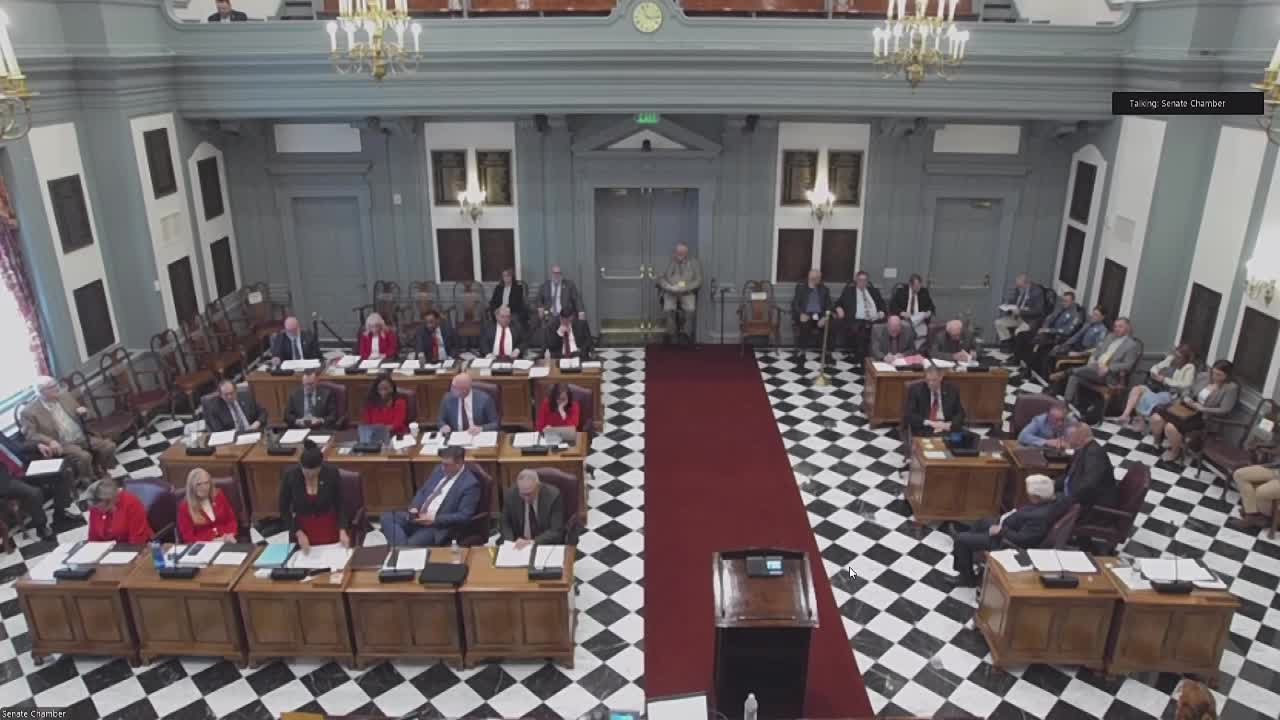
The Delaware Senate on March 25 passed Senate Bill 68, a periodic adjustment to pilotage rates under Title 23 of the Delaware Code, after a short floor briefing and questions for a pilot association representative.
Senator Huxtable introduced Jerry Meade, who described the pilots’ modernization of portable pilot units and the requirement that pilots board ships 24/7, 365 days a year. Meade said the association currently has about 70 pilots and 13 apprentices and that recruiting remains strong. "We have 70 right now," Meade said when asked how many pilots were employed. Meade also said the average age of pilots is "getting younger" as apprentices enter the field.
Senators asked operational questions including how pilots board moving ships, safety in high winds and the physical demands of climbing pilot ladders. Meade described procedures: launches match a ship’s lee and pilots climb rope ladders to the bridge, sometimes pausing service when conditions are unsafe. "Sometimes we had to shut down piloting service for a number of hours because it was simply unsafe," he said.
After the witness answered questions from several senators, the Senate called the roll and the bill was declared passed on a recorded vote (clerk recorded 21 yes). The bill will be forwarded for enrollment. Meade’s testimony emphasized the pilots’ operational requirements and the association’s experience training apprentices for succession planning.
The bill reads as a routine statutory update to pilotage rates and was accompanied by no substantive debate on regulatory policy.