Get Full Government Meeting Transcripts, Videos, & Alerts Forever!
Get email alerts on the Water Quality Lab topic
No spam. Unsubscribe anytime.
Assembly committee delays vote but later forwards health and environment budget including three lab positions
Summary
After extended questioning about recruitment, quality control and revenue, the committee voted 3-2 to recommend the Department of Health and Environment budget — including three new laboratory positions — to the finance committee. A separate motion to postpone the vote failed 3-2.
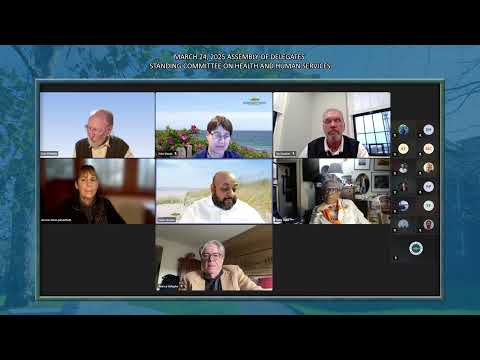
The Cape Cod Regional Government Assembly of Delegates’ standing committee on health and human services debated proposed staffing additions and budget increases for the Department of Health and Environment’s water-quality laboratory before voting to recommend the department’s FY2026 budget to the finance committee on March 24, 2025.
The department proposed creating three new positions in ordinance number 4: a full‑time laboratory supervisor focused on quality assurance and data validation (recommended by the Massachusetts Department of Environmental Protection audit), a chemist to handle PFAS testing, and a half‑time bacteriologist to provide operational backup during peak microbiological testing. Laboratory director Dan White told delegates the lab has expanded from roughly 16,000 samples in FY2019 to more than 20,000 samples in FY2024 and that DEP auditors “strongly recommended” a dedicated supervisor to perform centralized data‑quality reviews. “That recommendation from the DEP ... by the next audit probably will not be a recommendation, but probably will be a deficiency,” White said.
Delegates questioned funding and revenue. Erica Woods and other staff said the lab’s FY2025 revenue projection was $850,000 and staff reported year‑to‑date revenues above that projection (transcript figure unclear); staff also noted the lab raised fees on July 1, 2024 after an outside rate study. Erica Woods said adding freshwater resampling charges for towns and billing for certain resampling services could add about $42,000 annually. Delegates asked whether the DEP or other state sources would fund the new personnel; staff said certification and auditing functions do not come with dedicated DEP operating grants and that certification application fees are waived for municipal labs.
Delegate Green moved to postpone the committee’s vote on the combined health and environment budgets until staff provided additional answers; the motion to postpone failed on a 3-2 vote (Frederickson and Gallagher voted no; Green and Vice Chair Tai voted yes; Chair O’Malley voted no). The committee then voted on a motion to recommend the health and environment budget (ordinances 3 and 4 as proposed). Clerk Fletcher recorded votes: Delegates Frederickson and Gallagher, Chair O’Malley and Vice Chair Tai voted yes; Delegate Green voted no. The motion to forward the proposed health and environment budget to the finance committee passed 3-2.
Staff outlined next steps they plan to provide: a clearer breakdown of lab revenue and historic fee‑setting analyses, an updated overhead study for lab services, and follow-up on grant or other external funding opportunities. The committee did not amend the ordinance language during the meeting.