Get Full Government Meeting Transcripts, Videos, & Alerts Forever!
Get email alerts on the Education topic
No spam. Unsubscribe anytime.
Senate passes Distraction-Free Education Act banning student cell phones K–8
Summary
The Georgia Senate passed House Bill 340 to require K–8 public schools to adopt bell-to-bell policies restricting personal cell phone use, with local school systems authorized to set implementation details. Supporters cited learning and safety benefits; opponents raised emergency-contact and implementation questions and offered failed carve-outs.
The Georgia Senate on Wednesday passed House Bill 340, the "Distraction-Free Education Act," requiring public schools to enact policies that keep personal cell phones and similar personal electronic devices out of K–8 classrooms for the full school day beginning with the 2026–27 school year.
Sponsor remarks and why it matters Senator (District 30), the bill sponsor, told colleagues that the measure aims to reduce classroom distractions and improve student safety and mental health. "Let's get cell phones out of the classroom so a teacher can teach, and our brightest minds can learn," the sponsor said during floor debate.
The bill directs local school systems to adopt written policies that specify permissible student uses (for example, during specified instructional times or for approved accommodations), provide procedures for field trips and emergencies, and ensure parents can still be contacted through school channels. Sponsor testimony cited research about notification and refocus times and said that schools that have already implemented similar policies report fewer disruptions and higher academic engagement.
Debate and amendments Supporters included legislators who described classroom disruption, bullying and declines in student attention tied to phone use. "This is indeed the first and only school safety bill we've heard so far this year," said Senator (District 20 Ninth), who spoke in favor and highlighted emergency-communication advantages of centralized school procedures.
Several senators questioned practical details. Senator (District 56) asked whether districts that provide school devices or use BYOD for instruction would be affected; the sponsor replied local districts would retain authority to design policies and allow school-provided devices or supervised, instructional uses. Senator (District 50 Third) pressed whether existing school communication channels (office phones, intercoms, apps such as ClassDojo) already let parents reach students or teachers without student cell phones; the sponsor confirmed those methods remain available and that the bill does not prevent teacher devices or district notification systems.
Two proposed amendments sought narrow carve-outs for educational devices such as e-readers or to define permitted school-provided devices; both amendments failed on recorded roll calls. Supporters of the amendments said they wanted to protect technology that supports reading and instruction; opponents warned that precise fee or device lists can create implementation problems.
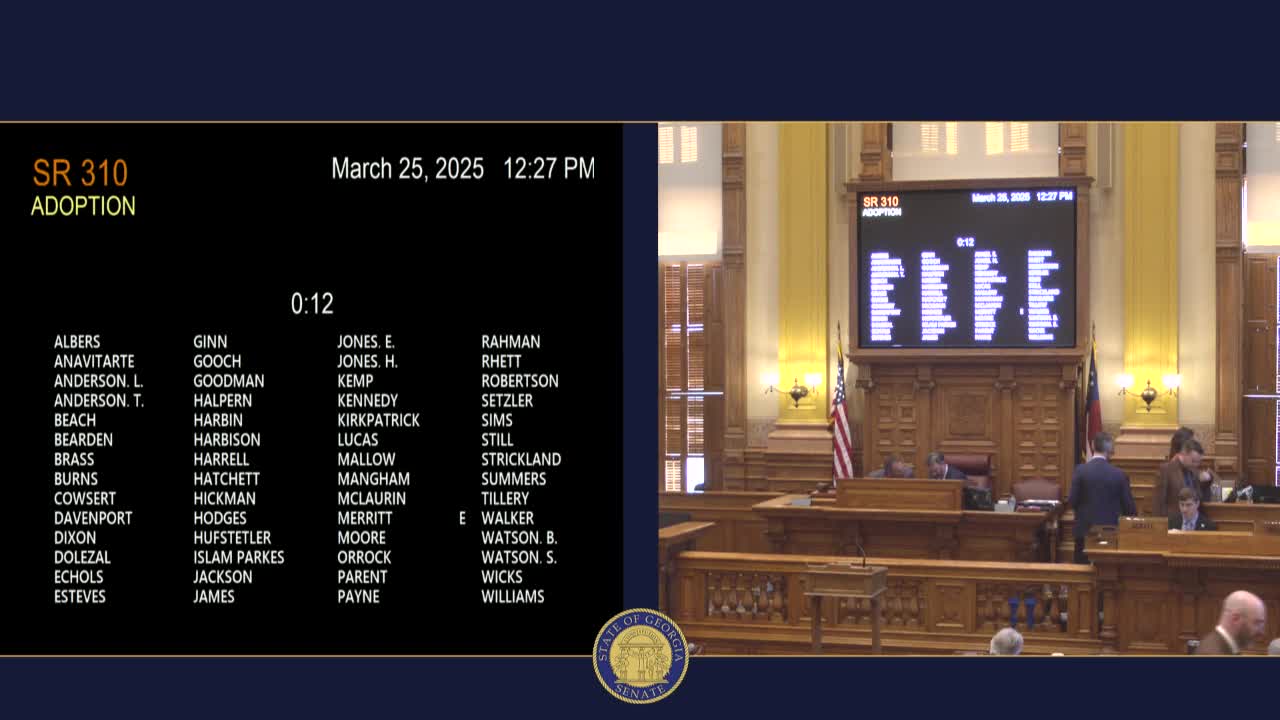
Vote and next steps The Senate recorded 54 yeas and 2 nays on final passage. With the vote, House Bill 340 passed the Senate and will be transmitted per legislative procedures.
What the law does not change The bill applies to kindergarten through eighth grade only; the Senate debate included multiple comments urging local districts or future legislation to consider high school policies separately. The bill does not remove district authority to build exceptions for instructional use, individualized education plans, or emergency communications.
Ending Sponsors and multiple senators framed the bill as a first step designed to restore in-classroom focus, empower teachers, and reduce technology-driven disruptions while preserving district-level flexibility for instructional needs.