Get Full Government Meeting Transcripts, Videos, & Alerts Forever!
Get email alerts on the Libraries topic
No spam. Unsubscribe anytime.
Bill would clarify that small libraries housed in community centers can qualify as recreational facilities for district formation
Summary
Substitute Senate Bill 5365 would modify the definition of recreational facilities so park and recreation districts may include public libraries occupying less than 50% of usable space in a community center; supporters said the change offers legal clarity for small communities that already share space.
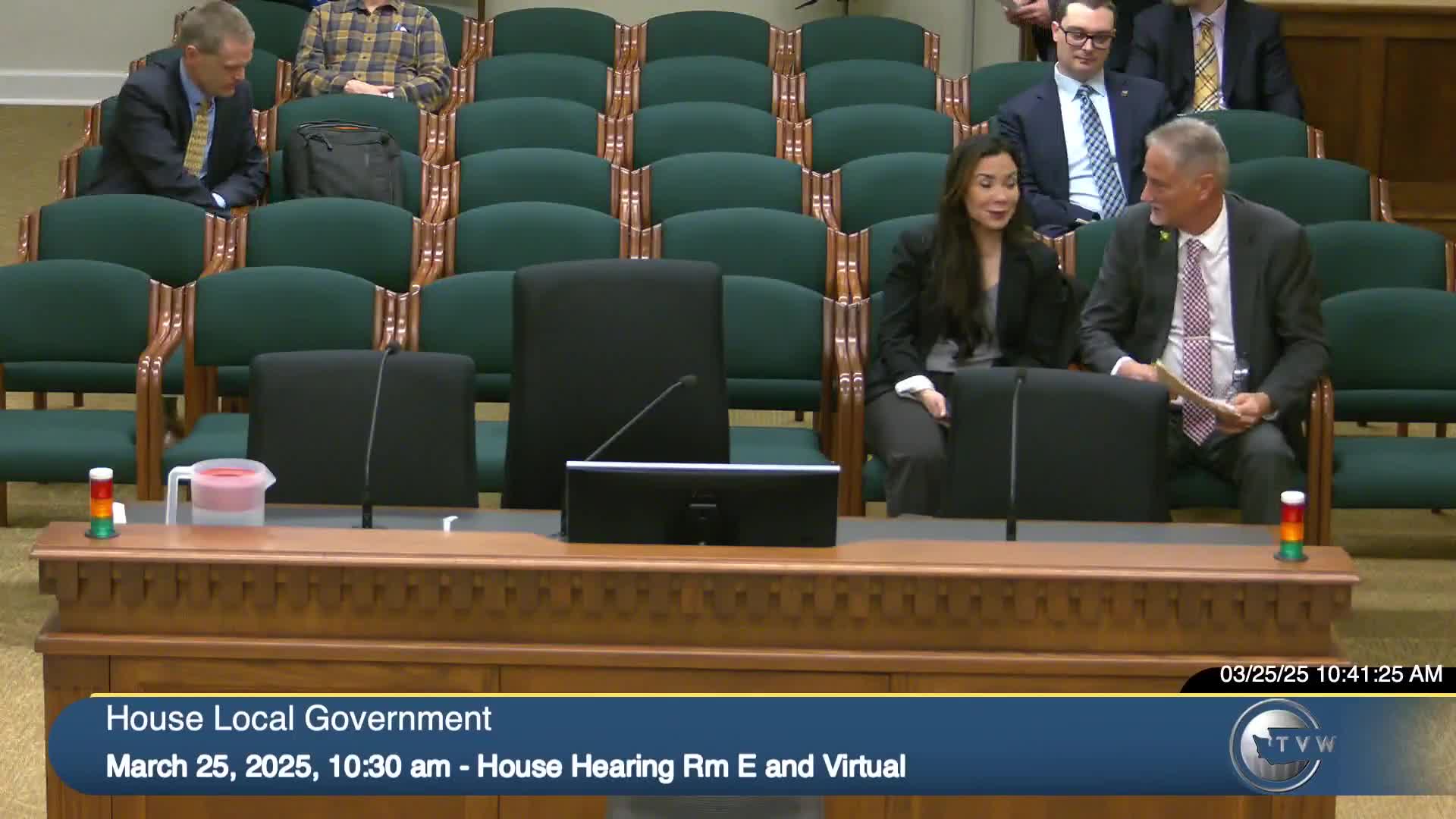
The Local Government Committee on Wednesday heard Substitute Senate Bill 5365, which would amend the definition of “recreational facilities” used in forming park and recreation districts to explicitly include community centers that may house public libraries occupying less than 50% of usable space. Michelle Rusk and Senator Jeff Wilson briefed and sponsored the bill; local officials and a City of Castle Rock representative testified in support.
Under current Washington law, park and recreation districts may be formed to provide leisure activities and recreational facilities; the bill would clarify that a community center containing a library (if the library occupies under 50% of usable space) may qualify as a recreational facility for district formation and funding purposes. Staff told the committee that the statute currently lacks clarity on whether libraries using shared community space are included in the definition.
Senator Jeff Wilson, sponsor, called the bill a “clarity bill” and said it was requested by a small community in his district to remove ambiguity so local governments can plan and fund library services embedded in shared facilities without legal challenge. David Vorce, representing the City of Castle Rock, told the committee that small or rural libraries often function as de facto community centers offering youth programs and senior services; he said designating those spaces as recreational facilities would offer stable funding options subject to voter approval.
Committee members asked whether the 50% limit could unintentionally restrict larger shared facilities. Staff and supporters said the threshold was intended to permit sharing of space while preventing one use from dominating a community center; the record did not include a policy analysis or fiscal note during the hearing. Proxy testimony and city officials said the practice is already common in some jurisdictions and the bill primarily provides legal certainty.
The committee took no vote on SB 5365 during the hearing. Supporters urged the committee to advance the bill to provide clarity for communities that currently operate libraries out of shared community spaces.