Get Full Government Meeting Transcripts, Videos, & Alerts Forever!
Get email alerts on the State Legislation topic
No spam. Unsubscribe anytime.
Gaithersburg lobbying team briefs council on Maryland mid‑session budget, taxes and housing bills
Summary
City lobbyists told the mayor and council the Maryland General Assembly faces a roughly $3.3 billion shortfall, a proposed package of new taxes and major spending cuts; the team flagged bills affecting housing, transportation, hotels/short‑term rentals and a delayed Family and Medical Leave Insurance rollout.
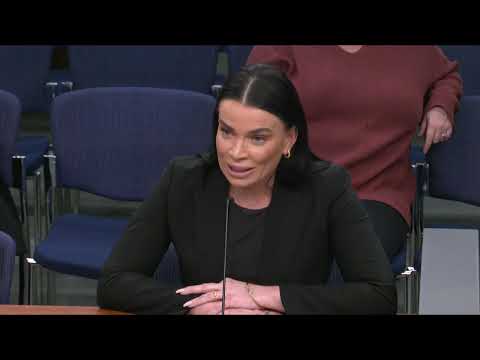
Theresa Hessler of Ashler Government Relations and Sarah Peters of Husch Blackwell Strategies gave Gaithersburg’s mayor and city council a mid‑session briefing on Maryland legislation and the budget on March 24, saying the General Assembly faces a roughly $3.3 billion deficit and a budget framework that includes new taxes and $2.3 billion in spending cuts.
“The Maryland General Assembly is in the final weeks,” Hessler said, outlining the deficit and the administration’s proposed framework, which she said includes a 3% tax on information technology and data services, a new top income tax bracket for residents earning more than $750,000, and changes to capital‑gains and other revenue sources.
Why it matters: the proposals and cuts under discussion in Annapolis could change state funding and mandates that affect Gaithersburg operations, local bond allocations and municipal programs. Lobbyists told the council they are monitoring multiple bills that would alter local authority, tax collection and housing obligations.
Hessler and Peters highlighted several measures the city is tracking. They said House Bill 503 / Senate Bill 430, called the Housing for Jobs Act, would redefine regional housing gaps, add regional designations and change how state agencies apportion calculations and local obligations for housing approvals. The lobbying team said neither bill had yet moved out of committee.
On taxation and local revenue, the team summarized several bills under consideration: a consolidated transportation prioritization measure (Senate Bill 198 / House Bill 20) that would change how MDOT identifies and scores projects; an admissions and amusement tax (Senate Bill 324 / House Bill 997) that would allow counties to tax certain food and beverage gross receipts, with a maximum rate of 3% and a combined‑rate cap of 11% when combined with sales tax; and guest accommodations tax collection changes (House Bill 1103 / Senate Bill 979) that would shift certain collection responsibilities to the Comptroller if intermediaries exceed set thresholds. The team said the city submitted written support for the admissions and amusement tax bill and is coordinating with the Maryland Municipal League.
The lobbyists also briefed the council on the Family and Medical Leave Insurance (FAMLI) program. Hessler said the House Economic Matters Committee amended House Bill 102 on March 21 to delay implementation; “the delay would be an 18 month delay,” she said, pushing back rulemaking and participation timelines.
City staff asked how bills might affect municipal authority. Peters and Hessler said many measures remained in committee and that some language and final details were still fluid. They urged continued coordination with the Maryland Municipal League and district legislative offices, and said the city’s AGR team will keep Gaithersburg updated over the next two weeks as crossover and final budget votes unfold.
The lobbyists also noted the city’s bond initiative for a new city hall remains under active advocacy in Annapolis and that final confirmation of Local Bond Initiative (LBI) funding is subject to the passage of the state capital budget.
During the public comment period after the presentations, David Mullins, a Gateway Apartments resident, praised the state landlord‑tenant bill the city supported and said, “certainly appreciate transparency,” noting tenant protections and transparency provisions being advanced at the state level.
The AGR team told council members it will continue to monitor budget and committee activity, answer follow‑up questions, and coordinate on any necessary local advocacy as bills move through the House and Senate.