Get Full Government Meeting Transcripts, Videos, & Alerts Forever!
Get email alerts on the Earned Wage Access topic
No spam. Unsubscribe anytime.
House Bill 241 aimed at earned-wage access recharacterizes services as loans with fee cap
Summary
A presenter told the Senate Rules committee that HB241 would treat earned-wage access as loans, allowing immediate-pay fees up to $5 and leaving a free 24-hour option; presenters said no new code was created compared with a prior proposal.
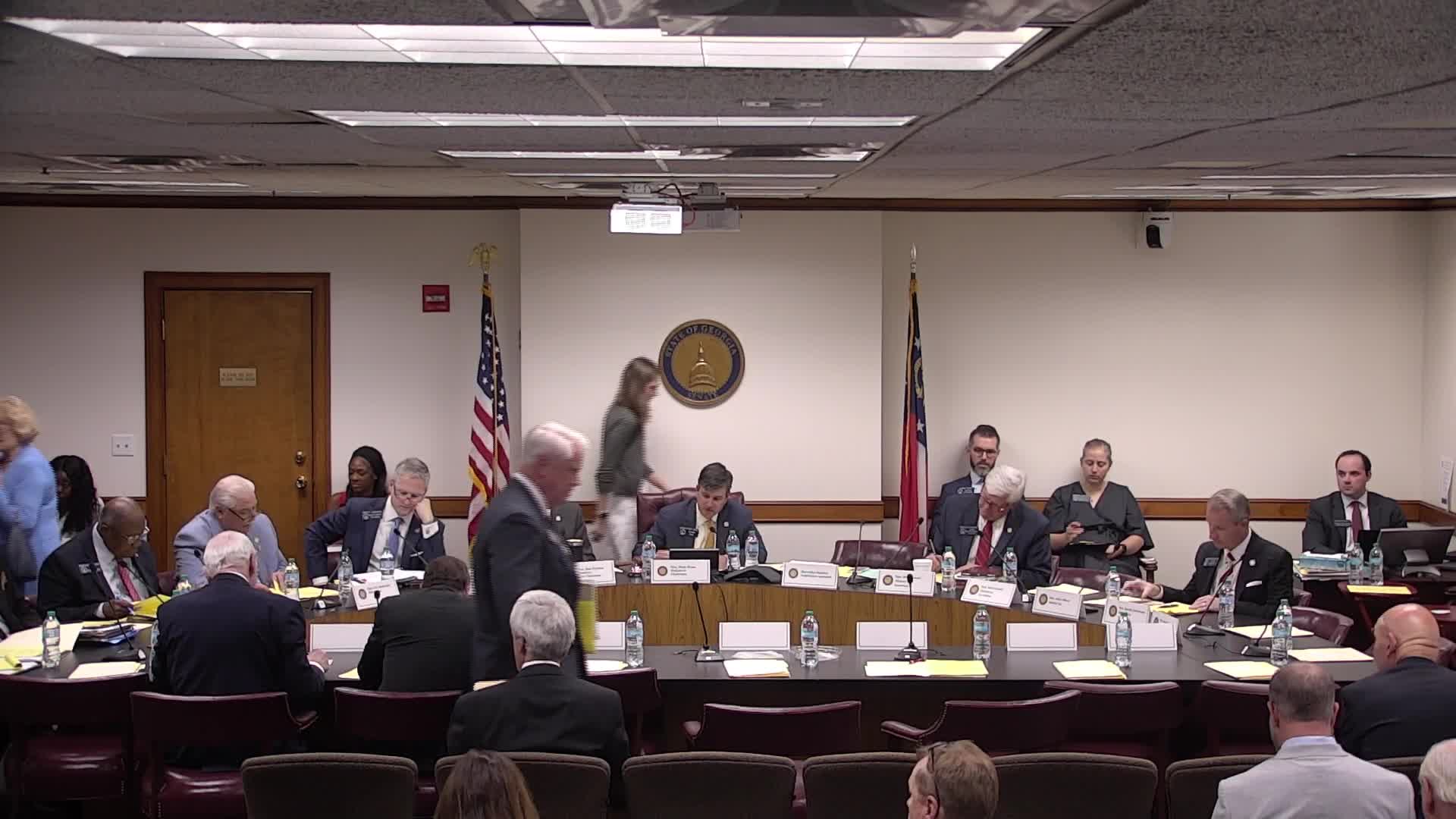
ATLANTA — On March 25 before the Senate Rules committee, the author presented House Bill 241, a measure addressing earned-wage access services and how they are characterized under state law.
The presenter, identified in the transcript as Chairman Rhodes, told committee members that HB241 “deals with earned wage access” and that the draft “did not create any new code” compared with a prior proposal. He said the bill “basically characterize[s] these as loans, which would allow them to charge up to $5 if they want their money or their paycheck immediately.”
The presenter described the fee structure as follows: customers could request immediate access to their paychecks for a fee up to $5; a 24-hour waiting option would be free; the bill contemplates advances up to 50% of a paycheck and up to $500 in some usages. In the transcript the presenter said, “50% of it up to $500 if they wanna wait 24 hours, the service is free. But if they want it immediately, right now, they charge $2. They could charge up to 5, and that's the bill, mister chairman.”
Nut graf: The measure would change how earned-wage access products are treated under Georgia law by labeling them loans and establishing an upper fee limit for immediate access. That characterization affects lenders’ regulatory treatment and consumer protections.
Committee reaction and next steps: Committee members asked only for the bill number and made no substantive objections during the Rules meeting summary. HB241 was included on the Rules committee’s approved slate to move forward for further committee consideration.
What the record shows: The presenter said the bill “did not create any new code” compared with a prior attempt and is a rework of earlier language. The transcript does not show text of the draft statute, enforcement language, consumer-rights provisions or whether banking or usury statutes were consulted. Those details were not specified during the Rules presentation and would need to be examined in the bill text in the next committee.