Get Full Government Meeting Transcripts, Videos, & Alerts Forever!
Get email alerts on the Media And Defamation topic
No spam. Unsubscribe anytime.
Senate committee advances bill requiring online removal of proven false news reports
Summary
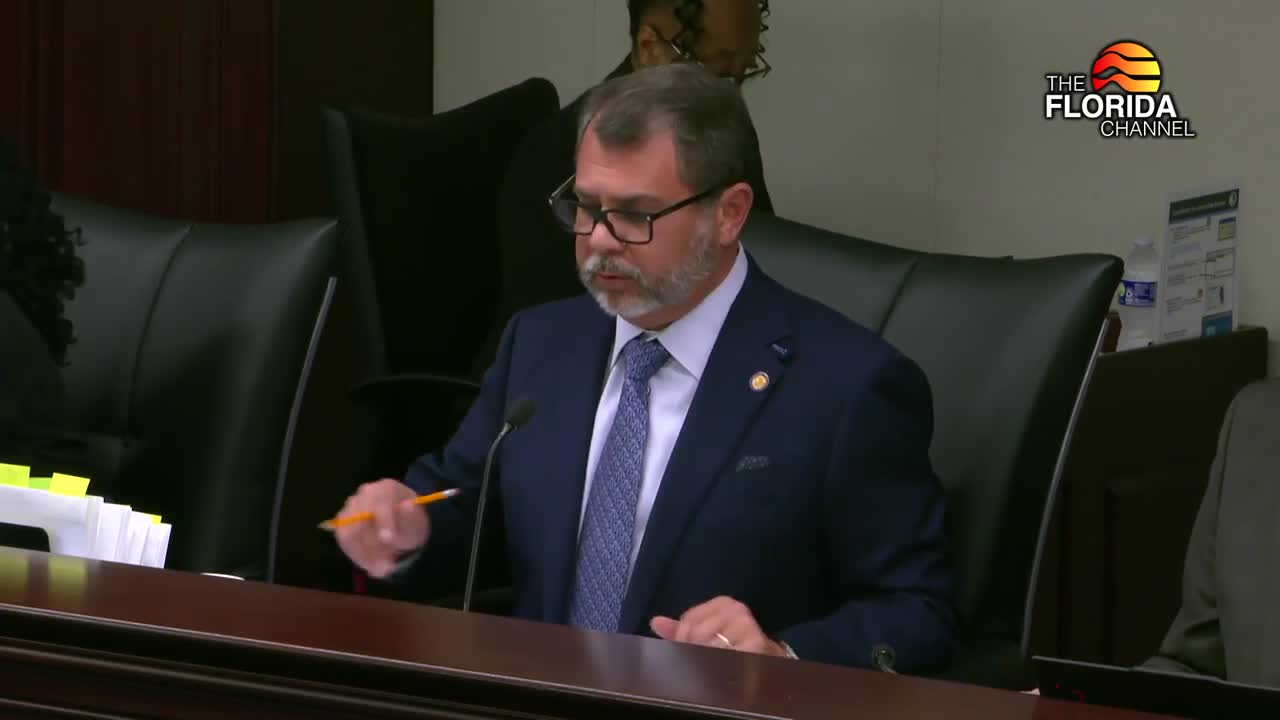
The Senate Commerce and Tourism Committee on Oct. 12 advanced CS for SB 752, which would require news organizations to remove material from their websites if the material is later shown to be false.
The Senate Commerce and Tourism Committee on Oct. 12 took up CS for SB 752, a bill that would require newspapers and television stations to remove material from their websites if they later learn a report is untrue and thus lose a statutory reporting privilege.
Sponsor Senator Blaise Simon described the bill as a remedy for people who can be permanently harmed when false reports remain online, saying one constituent was left searching for work after an old story showed him “in handcuffs, in an orange jumpsuit,” even after court records established the allegations were false. Simon told the committee the bill would require removal when the outlet “later learns that it’s untrue because of a court decision or because it received information that would convince a reasonable person that the report was untrue.”
The bill also changes the statute of limitations for related claims, so the limitations period would run from the last day the false information remains online rather than from the initial posting, Simon said.
Opponents warned the measure would chill reporting and could be used against newsrooms that responsibly cover arrests and criminal investigations. Bobby Block, executive director of the First Amendment Foundation, said the bill “is a weaponized censorship dressed up as accountability,” arguing it would make outlets legally vulnerable for repeating statements made publicly by officials. James Lake, who practices and teaches defamation law, told the committee the measure risks “airbrushing history” when coverage of arrests and public files remain accurate even if charges later are not pursued.
Local and statewide news and free-speech groups, including representatives of community newspapers and advocates for independent journalism, urged rejecting the measure or narrowing it so that corrections and appended updates, not wholesale removals, remain the favored remedy.
After public comment, the committee voted to report CS for SB 752 favorably. The roll call in committee recorded multiple yeas and two nays and the committee chair announced the bill was reported favorably.
Supporters said the bill balances reputational harms with accountability; opponents said it would pressure newsrooms to remove historical reporting and could conflict with existing federal protections.