Get Full Government Meeting Transcripts, Videos, & Alerts Forever!
Get email alerts on the Mental Health Levy topic
No spam. Unsubscribe anytime.
Huron County mental-health board seeks 1.0-mill levy to expand prevention, mobile crisis and recovery services
Summary
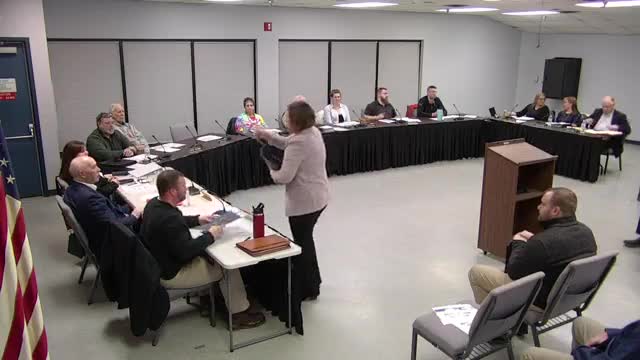
Kristen Guerrero of the Huron County Board of Mental Health and Addiction Services briefed Norwalk City Council on a replacement 0.5-mill levy plus a 0.5-mill increase the board plans to place on the May 6 ballot to sustain and expand local mental-health and addiction services.
Kristen Guerrero, a staff member of the Huron County Board of Mental Health and Addiction Services, told Norwalk City Council the board plans to place a replacement 0.5-mill levy plus an additional 0.5-mill increase on the May 6 ballot to address rising demand for prevention, treatment and recovery services countywide.
Guerrero said the board currently collects just under $587,000 annually from the existing levy and that the combined replacement and increase is intended to meet identified needs and sustain existing services. She told council members the board estimated it would need just over $1.7 million more annually to fund additional services and preserve current contracts.
“We are responsible for ensuring access to a full continuum of care,” Guerrero said, describing the board’s role in contracting for prevention, treatment and recovery supports. She noted that the levy-funded services the board manages include a crisis hotline, a mobile crisis team that can respond in the community (often activated by law enforcement), recovery housing, prevention programs and contracts for detox and inpatient treatment through regional arrangements.
Guerrero provided several figures to illustrate service use and capacity: the board averages about 1,550 people per month receiving services under board-funded contracts; last year Firelands Counseling completed more than 600 crisis assessments and the board’s crisis hotline received more than 1,200 calls. She also said the board maintains a reserve equal to roughly four months of operations (about $1.2 million).
On cost to homeowners, Guerrero said the current levy cost is about $14.53 per year for a $100,000 home; the proposed replacement-plus-increase would raise the cost to roughly $35 per year for a $100,000 home — an additional about $20.47 annually for that property value. She said the board had prepared a schedule that shows costs at different property valuations.
Guerrero said about 18% of the board’s funding now comes from the local levy, the balance from state and federal sources and grants. She described constraints the board faces: state Medicaid rate increases raise costs that the board must pay when it reimburses treatment providers, and proposed Medicaid cuts would increase demand for locally funded services if people lose coverage.
Council members asked questions about programs in schools, whether prevention work covers vaping and smoking, how many staff the board supports, and which recovery housing sites the board funds. Guerrero said local prevention programming exists (for example, programs run by Family Life Counseling and county public health) and that board funds support three board-level employees as part of board operations. She told council that the board has contracted providers across the county and that some services are funded at 100% (for example, the mobile crisis team and recovery housing), while most providers receive partial funding through contracts.
Guerrero closed by telling council the board will hold town-hall sessions and has information online and in printed materials; she said the board’s goal is transparency and to equip voters to make an informed choice on the May 6 ballot.
“No matter what, these are people’s lives,” Guerrero said. “These services are to improve the mental health, the well-being of our residents… and in the long run, saving lives.”