Get Full Government Meeting Transcripts, Videos, & Alerts Forever!
Get email alerts on the Civic Procedures topic
No spam. Unsubscribe anytime.
Westerville residents and clergy clash over keeping invocation before council meetings
Summary
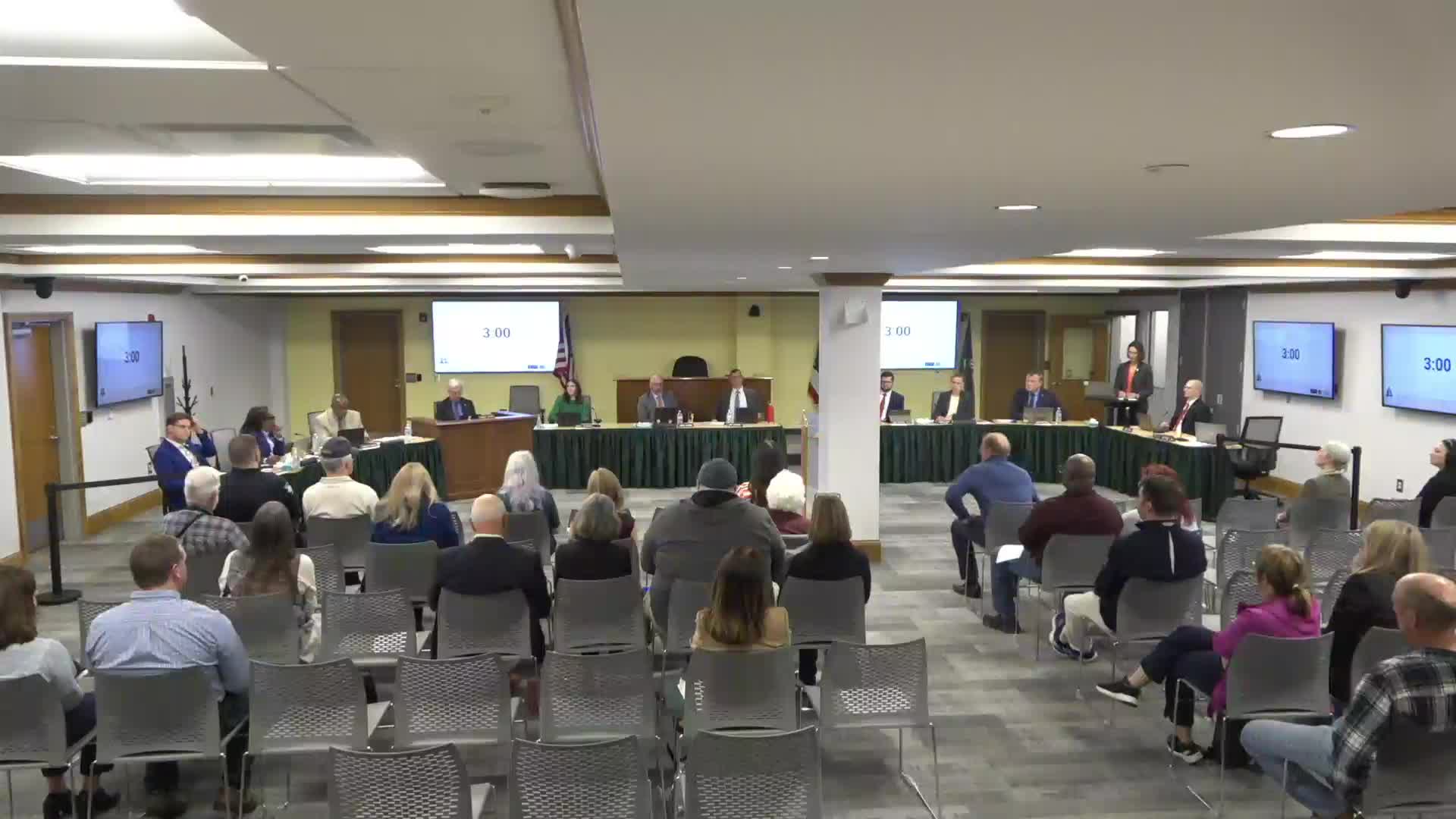
Dozens of residents, clergy and council members debated whether to keep the invocation at the start of Westerville City Council meetings. Public commenters and clergy gave sharply divided views; council took no formal action at the meeting.
At the March Westerville City Council meeting, residents and several local clergy used the public-comment period to press sharply divided views on whether the council should continue opening its meetings with a spoken invocation.
The comments ranged from pleas to keep the practice as a local tradition to calls for its removal or replacement with a neutral moment of silence. No council vote or formal change to policy was taken during the meeting.
The debate drew multiple speakers. Peter Garrity, who said he has lived in Westerville for 33 years, argued the invocation “is not just a ceremonial act, it is a reflection of our heritage, a moment of unity,” and urged council to retain it. Lou Anne Hendrix, a resident who said she would vote to remove the invocation if forced to choose, urged council instead to convene a citizens forum and seek dialogue outside the meeting room to avoid further community polarization.
Other speakers described how the invocation affected them personally. Valerie (resident) said the practice felt “out of place” and at times made non-Christian residents feel unwelcome. Rick Nutt, an ordained Presbyterian minister and a PhD in U.S. religious history, urged the council to drop the practice and said public invocations must be so generalized to survive First Amendment review that they often do not meaningfully affirm any particular faith.
By contrast, John Buckles, pastor at Heritage Christian Church, told the council the invocation policy is inclusive as written and that anyone can sign up to lead it; he described it as a free-speech practice that courts have upheld. Peg Duffy recommended replacing spoken invocations with a moment of silence. Mary Jean Boatler, a Presbyterian pastor, said civic prayer felt “performative” and left some people feeling “othered.” Several speakers urged compromise solutions, such as a moment of silence or a community-led forum to discuss the issue.
Chairman Hayek closed the public-comment segment with a lengthy defense of keeping invocations, citing U.S. Supreme Court precedent and local practice going back decades. He also warned that the invocation debate has become politically charged and suggested it could be an election issue, though he did not propose a vote at the meeting.
Council did not take formal action on the invocation during the meeting; the matter remained in the public-comment record and could be revisited on a later agenda or through community engagement outside the council chamber.
A continued public discussion is likely; speakers on both sides framed the question as one of inclusion, free expression and how the city presents itself to residents and visitors.