Get Full Government Meeting Transcripts, Videos, & Alerts Forever!
Get email alerts on the Energy Grants topic
No spam. Unsubscribe anytime.
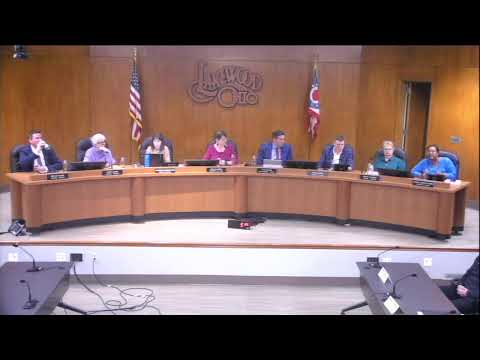
Lakewood committee reviews $157,000 NOPEC energy grant and debates broader uses
Summary
The Public Works and Sustainability Committee reviewed the city’s 2025 NOPEC Energized Community grant (about $157,000), discussed eligible uses and selection process, and members urged exploring more public-facing or community-engagement projects for future rounds.
The Public Works and Sustainability Committee on March 3 reviewed the city’s acceptance of the 2025 NOPEC (Northeast Ohio Public Energy Council) Energized Community grant, about $157,000, and discussed how the funds are chosen and spent.
Committee Chair Councilman John Evans said the presentation would cover eligible uses and past projects. Planning Director Byington and Climate Action staff member Jill Bartolotta outlined eligible items including electric vehicle purchases or leases, traffic signal upgrades, energy-efficient windows and lighting, solar-powered LED signs, EV charging stations, service-garage insulation and electrical upgrades, and other energy-related capital improvements. Byington said the city’s 2024 NOPEC-funded work included two e-bikes for the police department, LED lighting at Lakewood Park and Winterhurst scoreboard, and EV chargers at the Refuse and Recycling Center.
Byington and Bartolotta said the 2025 appropriation — about $157,000 — is being applied to projects already in the city’s capital plan: LED lighting at Lake Ave and Clifton Bridge, additional public EV charging stations, City Center electrical upgrades, an electric Kubota for refuse/recycling operations, electric jaws of life for the fire department, and repainting bike markings. The staff explanation emphasized that for 2025 the administration selected eligible projects that would offset capital expenditures already planned in the budget.
Council members pressed for more detail about the selection process and the fund timeline. Councilwoman Steiner confirmed council must still pass a resolution to accept the funds and noted materials had been uploaded to the NOPEC portal; Byington confirmed the acceptance documentation had been uploaded. Byington said the city receives notice of the award in January, must pass acceptance legislation, uploads a few required documents, and that funds typically remain available for two years (money in this year's allocation will expire on Nov. 30, two years after award).
Councilman Michael Bullock asked whether the city is getting “value” and whether there are opportunities to be more creative and public-facing with the funds. He gave the example of an electric lawnmower buyback other cities have tried to accelerate conversions and generate neighborhood air-quality benefits. Byington and Mayor George acknowledged the idea but said some programs would require more staff time and a longer planning runway; for 2025 the administration prioritized projects that offset capital costs.
Councilmember Keppel confirmed NOPEC allocations are tied to the number of NOPEC customers in Lakewood and suggested council plan for 2026 now — including discussing the city’s priorities at the upcoming council retreat — because the city can reasonably estimate the next year’s award. Councilman Baker and others said the council and administration could study models from other jurisdictions and consider reserving a portion of future NOPEC funds for community engagement or buyback programs, while acknowledging staff capacity and maintenance implications.
Byington and the mayor said the city has used NOPEC funds in similar fashion for many years and will continue to present options to council. The committee did not adopt new policy at the meeting; members said they will continue the conversation during the budget and retreat process.
Ending: Committee members agreed to keep the issue on future agendas so council can weigh more creative, public-facing uses alongside capital priorities.