Citizen Portal

Senate committee presses VA on recent firings, planned workforce cuts and cancelled contracts

2760010 · March 11, 2025

Get AI-powered insights, summaries, and transcripts

Subscribe
AI-Generated Content: All content on this page was generated by AI to highlight key points from the meeting. For complete details and context, we recommend watching the full video. so we can fix them.

Summary

Senators pressed VA officials over the department's recent dismissal of roughly 2,400 probationary employees, a planning figure cited of as many as 80,000 cuts, and the cancellation of hundreds of contracts — asking for written analyses, metrics and a committee briefing before further reductions proceed.

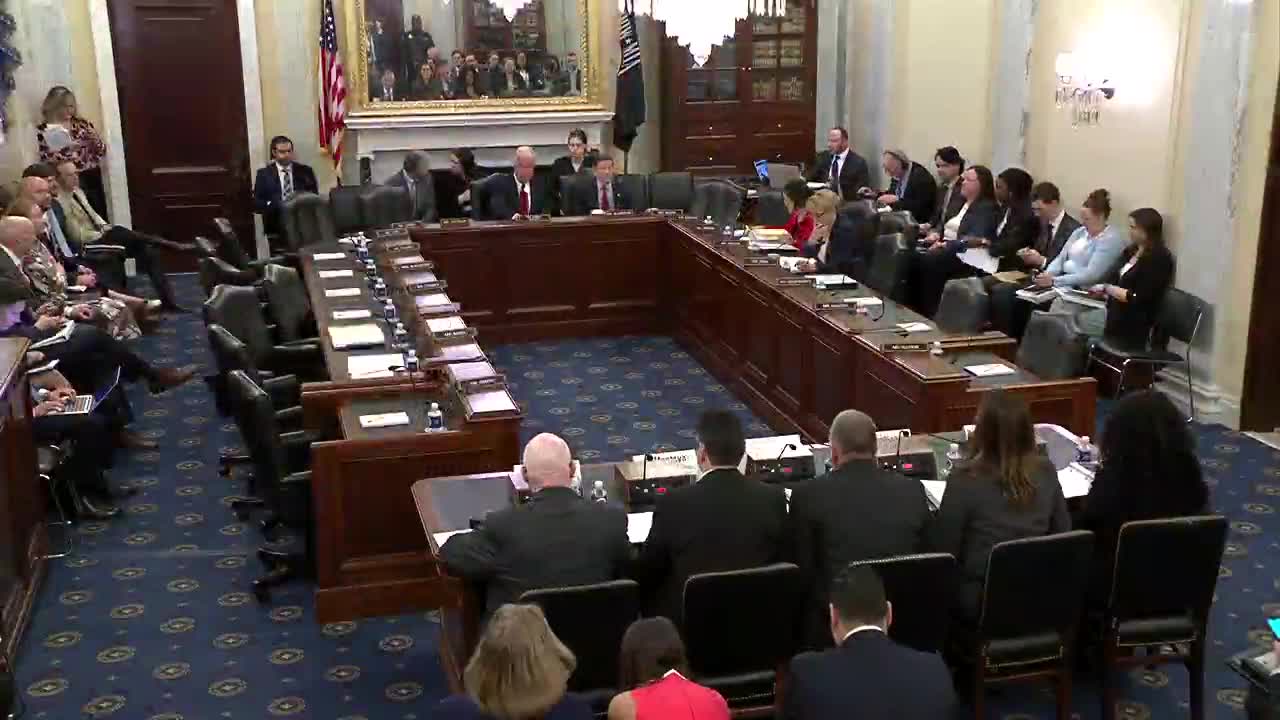
At a Senate Committee on Veterans' Affairs hearing, lawmakers sharply questioned Department of Veterans Affairs officials about recent workforce actions and contract cancellations that members said risk delaying veterans' care and benefits.

Vice Chairman Richard Blumenthal (D-Conn.) told the panel the VA "is in crisis. It is literally a 5 alarm fire for the VA," and said he will introduce legislation, the Putting Veterans First Act, to rescind recent firings and require performance-based termination standards and appeals for affected employees.

The committee focused on three related concerns: the VA's recent release of roughly 2,400 probationary employees; a planning factor that has been reported publicly and in internal documents authorizing review of staffing reductions up to about 80,000 positions; and the department's decision to cancel or not renew several hundred contracts, some senators said were central to patient safety or to implementation of prior laws.

Why it matters: Senators said the changes could affect the department's ability to implement the PACT Act and other statutes that expanded care and benefits. Senator Maggie Hassan (D-N.H.) warned that firing frontline staff — schedulers, claims processors, custodians and clinical support — could delay appointments, slow claims processing and reduce hospital cleanliness. "When you fire front desk staff, veterans can't schedule appointments," she said.

VA officials said they support many bills on the committee's agenda, and that they have begun an in-depth review of the department's structure. Mark Engelbaum, Assistant Secretary, Office of Human Resources and Administration, told senators the department is conducting a "down to the micro level examination" over a multi-month planning process and offered to brief the committee on methodology and documents. Engelbaum said the widely cited "70,000–80,000" figure is a planning factor, not a final decision: "We have just commenced our actual analyses. We have an ongoing analysis that's going to take place over the next 3 to 4 months," he said.

Still, several senators and veteran service organizations pressed for immediate transparency. Senator Bernie Sanders and others said that the department had roughly 36,000 health care vacancies at the end of fiscal 2024, including hundreds or thousands of staff in roles they said were mission‑critical — for example, 3,400 registered nurses and 3,400 health care schedulers were among the positions noted by the committee — and that blanket reductions risked undermining care. Engelbaum acknowledged the committee's request for written analyses and told senators he would provide briefings and documents.

Senators also sought detailed accounting of cancelled contracts. Senator Angus King and others asked VA witnesses to list the contracts removed from service and the reasons for termination; the VA witnesses said they would take the request for the record. Senator King noted the administration's public statements that roughly 585–600 contracts had been terminated and urged the committee to obtain full details of what those contracts funded.

VA officials defended the need for reform and better systems. Engelbaum said the VA supports the Restore Accountability Act of 2017 updates in concept (subject to amendment and appropriations) and noted the department welcomes technical collaboration on bills to improve scheduling, community care and fraud prevention. Al Montoya, Deputy Chief Operating Officer of the Veterans Health Administration, said technological improvements could reduce scheduling times in community care from about 30 minutes to roughly seven minutes in some systems, if implemented properly.

Committee next steps: Senators repeatedly requested written metrics, the methodology for staffing decisions, and briefings that explain where cuts would occur and what safeguards exist to preserve PACT Act implementation and other services. Several lawmakers also asked the VA to make Secretary David Collins available to testify directly before the committee about the workforce changes and contract cancellations.

The hearing produced no formal vote or committee action; instead, members pressed for documents and a committee-level briefing before additional workforce actions proceed.