George Glass Pledges to Press Japan on Defense, Trade if Confirmed as Ambassador
Get AI-powered insights, summaries, and transcripts
SubscribeSummary
George Glass, President Trump's nominee to be U.S. ambassador to Japan, told the Senate panel he will press Tokyo to increase defense spending, reduce the U.S. trade deficit and strengthen supply‑chain cooperation, and said he will hold Japan to commitments made to the United States if confirmed.
WASHINGTON — George Glass, the Trump administration’s nominee to serve as U.S. ambassador to Japan, told the Senate Foreign Relations Committee on Oct. 12 that he would press Tokyo to deepen security cooperation, increase defense spending and advance economic ties if confirmed.
“I'm humbled and honored to stand before you as president Donald Trump's nominee to be the ambassador to Japan,” Glass said in his opening remarks. “I pledge to follow their lead, always putting America First and unabashedly promoting the interest of the American people.”
Glass told senators he would press Japan to follow through on prior commitments to raise defense spending and to partner on supply‑chain resilience for critical technologies, including semiconductors and AI. He said he would press for greater co‑production of defense items and faster procurement schedules to address existing backlogs.
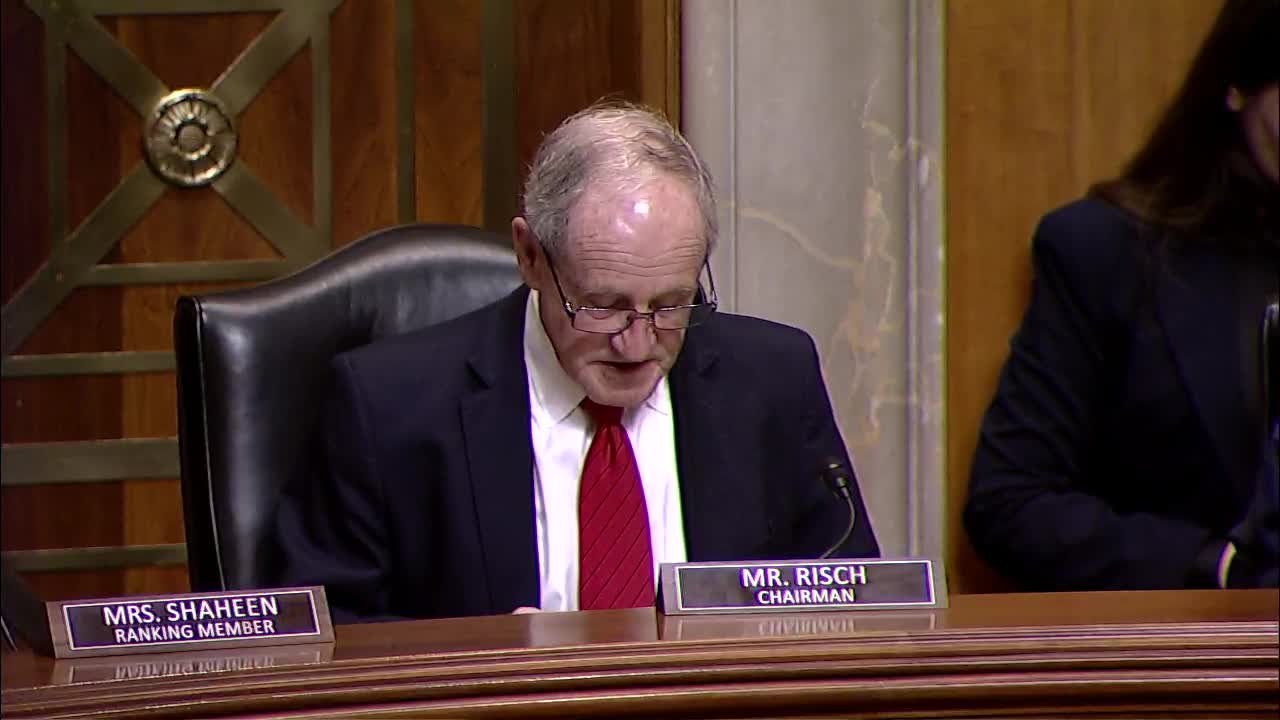
Committee members questioned Glass about agricultural market access, trade friction and the presence of U.S. forces. Sen. Risch and others emphasized Japan’s role in regional security and asked how Glass would support trilateral cooperation with South Korea and the Philippines; Glass said those multilateral relationships were “essential” and that he would work to strengthen them, including within the Quad framework.
Senators also raised constituent concerns about tariff disputes and non‑tariff barriers. Asked by a senator from Idaho about a longstanding potato access issue, Glass said he had experience working on non‑tariff agricultural barriers in prior postings and would work with the Department of Agriculture and congressional offices to resolve specific market access problems.
Glass highlighted economic ties between the two countries, noting that Japan is a major investor in the United States and a leading export market for several U.S. states. He said he would hold Japan to promises made on energy purchases, defense spending and supply‑chain diversification if confirmed.
The nominee pointed to personal ties — including a son and granddaughter who live in Japan — and prior diplomatic experience as reasons he would push for deeper, pragmatic cooperation between the United States and Japan.
The committee did not vote at the hearing. Senators said the record would remain open for additional questions and supporting material.