Citizen Portal

Senate Foreign Relations Committee Hears Pete Hoekstra on U.S. Ambassadorship to Canada

2758899 · March 13, 2025

Get AI-powered insights, summaries, and transcripts

Subscribe
AI-Generated Content: All content on this page was generated by AI to highlight key points from the meeting. For complete details and context, we recommend watching the full video. so we can fix them.

Summary

Pete Hoekstra, President Trump's nominee to be U.S. ambassador to Canada, told the Senate Foreign Relations Committee he would work to repair ties with Ottawa, press allies on defense spending and advance trade priorities if confirmed.

WASHINGTON — The Senate Foreign Relations Committee on Oct. 12 heard testimony from Pete Hoekstra, President Trump’s nominee to be U.S. ambassador to Canada, as senators pressed nominees about defense spending, trade barriers and fentanyl trafficking.

Hoekstra told the committee he would “work tirelessly to build on that record of cooperation” with Canada and emphasized bipartisan outreach to recent predecessors in the post. “With your concurrence and approval, I look forward to beginning my work in Canada and once again serving the people of The United States Of America,” he said in his opening remarks.

The hearing came amid repeated questioning about the tone of U.S. rhetoric toward allies and specific bilateral irritants. Ranking Member Senator Shaheen warned that recent administration comments have harmed public opinion in Canada and asked how Hoekstra would turn around the relationship; Hoekstra said he planned to focus on day-to-day cooperation on trade, intelligence and Great Lakes issues and to apply “experience to the priorities that the president has outlined.”

On security, Hoekstra said he would press Canada to meet defense commitments and to modernize continental defenses. He cited longstanding cooperative work on NATO and intelligence sharing, and pledged to sustain alliances that underpin U.S. national security. “We have cooperated with Canada on so many things,” he said, citing trade, the Great Lakes and Five Eyes intelligence partnerships.

Senators also raised economic concerns. Committee members cited cases of U.S. exporters and small businesses reporting canceled Canadian orders amid recent tariff disputes. Hoekstra said he planned to work with members of Congress and Canadian counterparts to resolve non‑tariff barriers, framing the effort as practical problem‑solving rather than grand gestures.

On law‑enforcement cooperation and narcotics, Hoekstra responded to questions about fentanyl by noting that interdiction and intelligence sharing are priorities. He said Canada accounts for a very small share of fentanyl seizures relative to other sources and that better cooperation across law enforcement and intelligence channels would help stem illicit flows.

The hearing included exchanges about specific regional infrastructure and treaty issues referenced by senators; Hoekstra said he had been involved in related cross‑border matters in other roles and would address them in private and in follow‑up discussions with senators.

No committee vote occurred at the hearing; senators said the record would remain open for additional questions for the nominees.

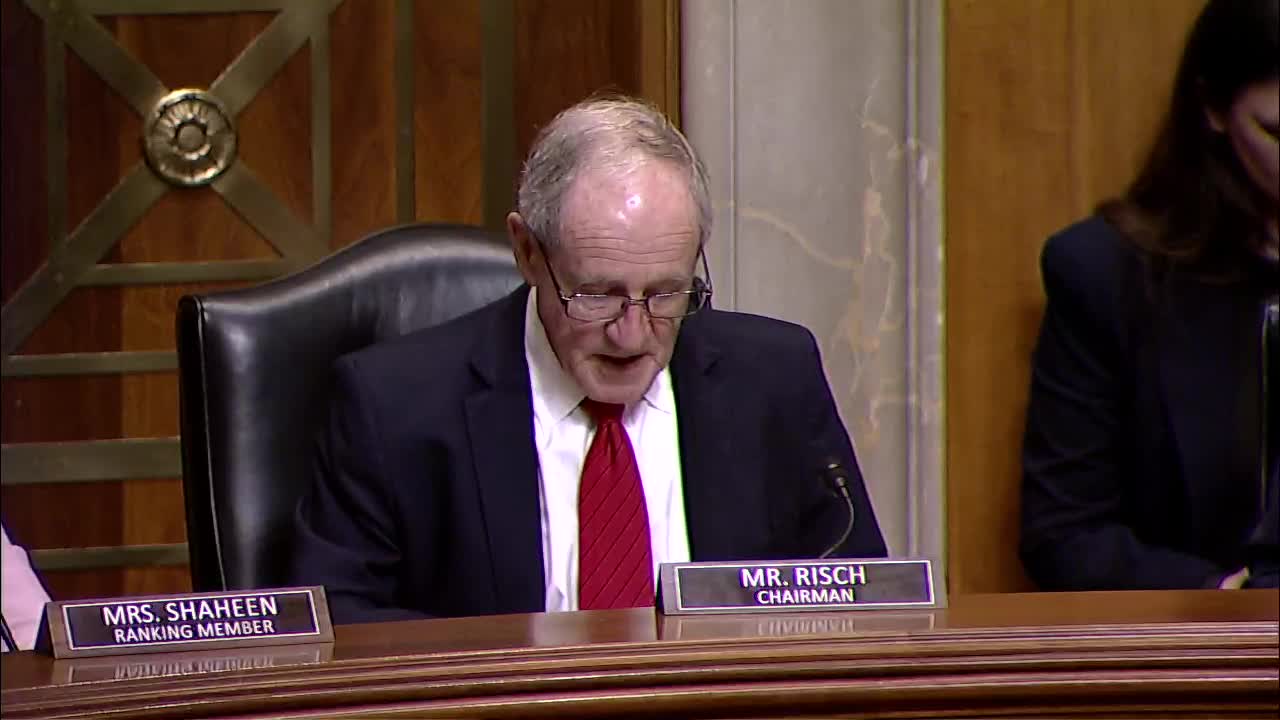
About the hearing: Chair Senator Risch presided and opened the session by noting the national importance of the nominations. Ranking Member Senator Shaheen led questioning on the Canada relationship, while other senators pressed nominees on trade, defense and narcotics issues. The committee said the written record would remain open through the close of business the next day.