Get Full Government Meeting Transcripts, Videos, & Alerts Forever!
Get email alerts on the Media Services Budget topic
No spam. Unsubscribe anytime.
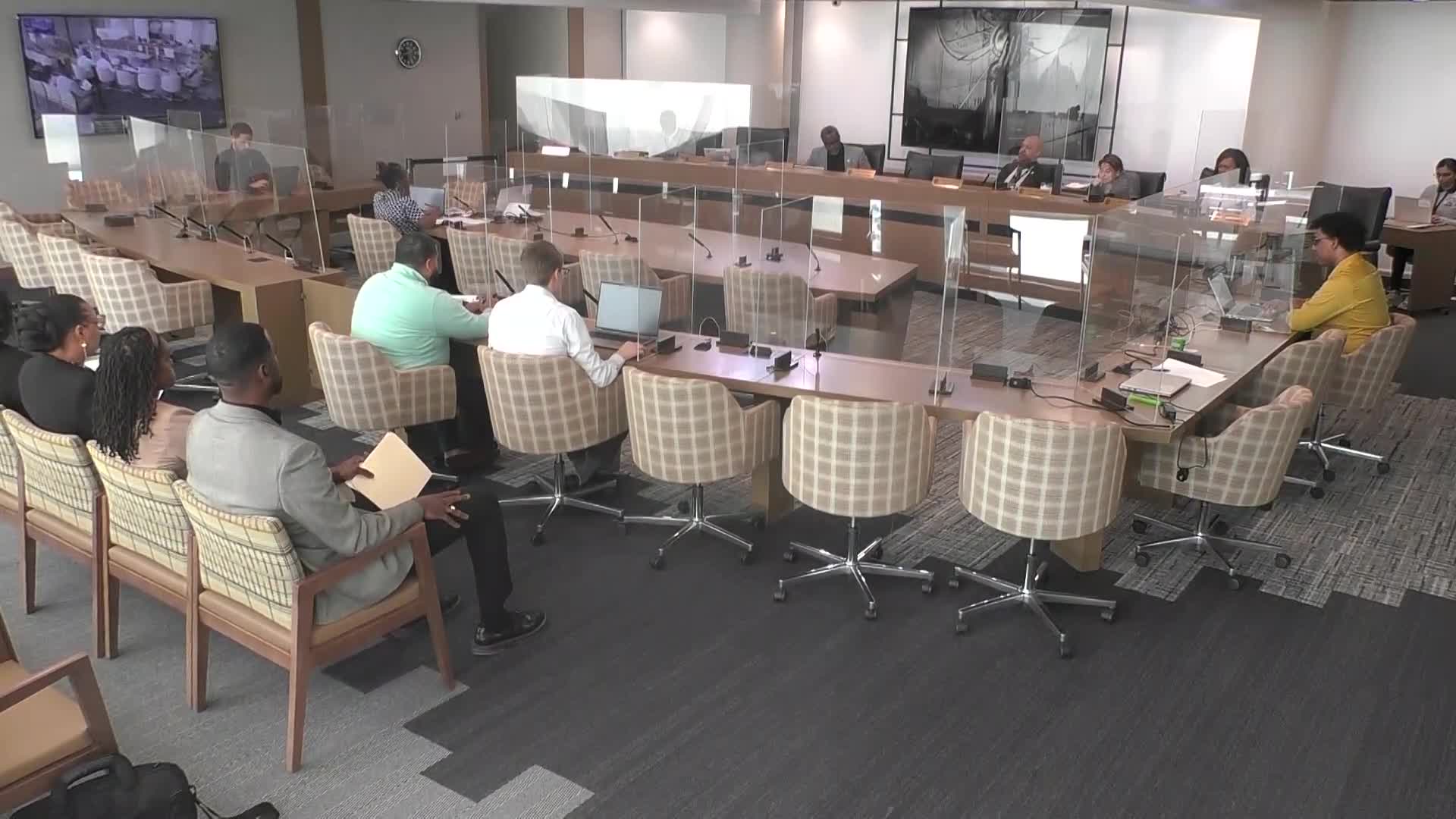
Detroit council hears Media Services FY26 budget; accessibility discussion moved to executive session
Summary
At a budget hearing, Media Services Director Jasmine Barnes outlined digital engagement gains, staffing changes and contract plans for fiscal 2026; council moved an accessibility discussion into executive session.
Detroit City Council heard a presentation on the Media Services Department’s proposed fiscal 2026 budget and operational changes and agreed to move a follow-up discussion on accessibility into executive session.
Director Jasmine Barnes presented the department’s restructuring and engagement metrics, saying Media Services had “viewed 115,000 views across 4 cable channels” and distributed more than 1,000 pieces of content in the past year. She told the council the department has restructured since July 2024, eliminated four positions, created eight new management positions and prioritized staff benefits and professional development.
Barnes emphasized the city’s expanded digital reach. She said the department’s Digital Media Division, branded Engage Detroit, supports more than a half‑million followers across 11 social platforms and yields “an average of 2,800,000 views, 93,000 likes, 15,000 shares, and 7,000 new followers monthly.” Barnes also reported that external services processed 3,376 requests, the web received more than 7,000,000 visits, and 92% of the Media Services budget is allocated to salaries, wages and employee benefits while less than 6% goes to contractual services.
Council members asked about specific contracts, use of social media influencers, internship and apprenticeship plans, priorities for council events and accessibility services. Council member Gabriela Santiago Romero thanked the department for its work and asked about influencer strategy and diversifying outreach; Barnes said influencer work is currently out to market and that the department will evaluate proposals before deciding whether to proceed. Council member Angela Whitfield Calloway and others asked whether some contractor work could be brought in‑house; Barnes said contractors are used sparingly for peak, large‑scale or after‑hours work and that most routine work is performed by staff.
On internships and workforce development, Barnes said Media Services participates in the mayoral fellowship and shadow programs, is hiring a program coordinator “within the next 60 days” to lead outreach with schools and universities, and plans to implement an internship program by the end of the year.
On accessibility, Director of Administration Myisha Crawford said the city offers an ADA‑compliant listening device available on request for hearing‑impaired attendees and that closed captions are provided for live meetings and recorded sessions. Barnes said the department is working on language‑access tools for live broadcasts after a recent flood and expects to identify software “within the next 90 days.” Council members noted intermittent availability of ASL interpreters on the public Zoom feed and asked staff to follow up.
Toward the end of the hearing, Council member Leticia Johnson moved to place the media services budget item regarding accessibility into executive session. The council chair put the motion to the body and, with no objections, the council approved taking that action.
The hearing record shows several follow‑up items: staff will share memos and schedule meetings to address council questions on contracts, YouTube channel management for district playlists, internship plans, and accessibility and language‑access implementation. The council then closed the Media Services budget hearing and proceeded to the next budget item.
Quotes used in this article come from the meeting transcript and are attributed to the speakers listed in the article’s speaker section above.