Get Full Government Meeting Transcripts, Videos, & Alerts Forever!
Get email alerts on the Criminal Justice topic
No spam. Unsubscribe anytime.
Senate approves bill adding aggravated child lewd conduct with mandatory minimums and death-penalty option
Summary
The Idaho Senate passed House Bill 3‑80 after hours of debate, creating new aggravated lewd conduct offenses for crimes against children and imposing mandatory minimum sentences and, in the most aggravated cases, a possible death sentence.
The Idaho Senate passed House Bill 3‑80 on a 30‑5 vote, approving new “aggravated lewd conduct” offenses that add mandatory minimum sentences for the most serious sexual offenses against children and, for the narrowest set of aggravating circumstances, allow for life or the death penalty.
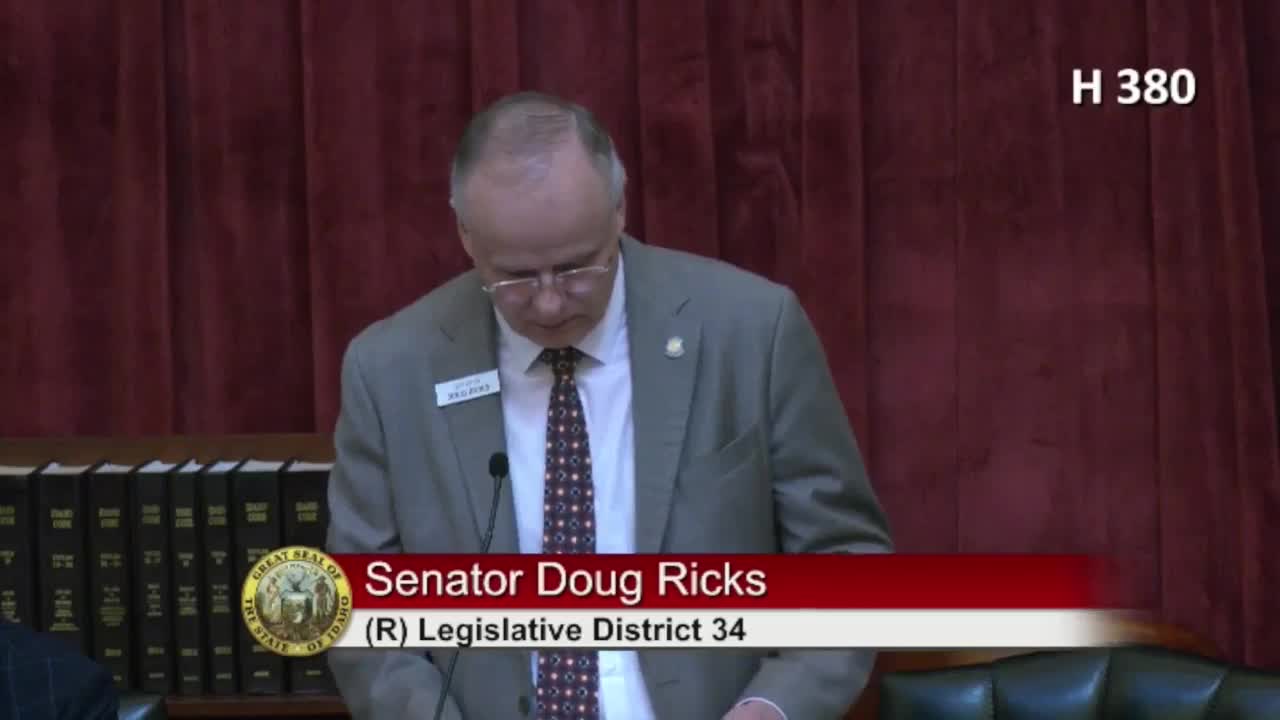
Supporters said the bill fills a perceived gap in Idaho sentencing. Senator Ricks, the bill sponsor, told the Senate the bill "introduces critical updates to Idaho's lewd conduct statute, aligning our laws with those of other states to ensure appropriate sentencing for the most egregious child offenders." Ricks also warned the bill could prompt constitutional challenges and referenced the 2008 Supreme Court decision Kennedy v. Louisiana as background to that risk.
Proponents described the bill as narrowly targeted. The measure creates two new offenses keyed to victims’ ages and the number of aggravating circumstances alleged: for victims ages 13–15, two aggravating factors trigger a 25‑year mandatory minimum; for victims age 12 and under, two aggravating factors trigger a 30‑year mandatory minimum and three aggravating factors can expose a defendant to life or the death penalty. Ricks said the aggravating factors mirror provisions used in other states and are intended for “the most egregious types of things that happen to children.”
Opponents questioned the need for capital punishment and the wisdom of adding mandatory minimums. Senator Wintrow said the state already imposes life terms for severe offenses and called the change “a huge policy shift” that merited more deliberation. Senator Foreman cited the risk of wrongful convictions and argued the state can protect the public by imprisoning offenders without resorting to execution. Other senators urged caution about constitutional exposure and the permanent nature of the death penalty.
Senators who spoke in favor framed the bill as an appeal to protect children and deter extreme abuse. Senator Taves said, “If one child is protected because the message has been received, it would make this bill worthwhile.” Closing debate, the sponsor said juries or judges would reserve the death penalty for the rarest, most aggravated cases and that the measure would provide prosecutors an option for the most heinous offenses.
The bill passed 30 in favor and 5 opposed and will be returned to the House of Representatives for action there.
The bill's principal provisions, as read on the Senate floor, specify aggravating factors and mandatory minimums rather than altering penalties for non‑aggravated cases; supporters and opponents alike noted the measure may prompt litigation over constitutionality.
Looking ahead, leaders on both sides of the debate said they expected legal challenges if the statute ever produced a death‑penalty case; proponents said Idaho’s attorney general would be prepared to defend the law.
Votes and next steps: House Bill 3‑80 passed the Senate and will be transmitted back to the House of Representatives for any further action there.