Get Full Government Meeting Transcripts, Videos, & Alerts Forever!
Get email alerts on the Transportation topic
No spam. Unsubscribe anytime.
Senate clears package of transportation bills tightening highway definitions and rights‑of‑way; debate centers on bike/pedestrian projects
Summary
The Senate passed a package of transportation bills on March 24 that tighten definitions for projects "primarily benefiting motor vehicles," set rights‑of‑way standards and clarify when bike/pedestrian facilities may be included as secondary elements.
The Idaho Senate passed several transportation measures March 24 that together aim to clarify when projects qualify as primarily benefiting motor vehicles and to set minimum rights‑of‑way and permit‑review expectations.
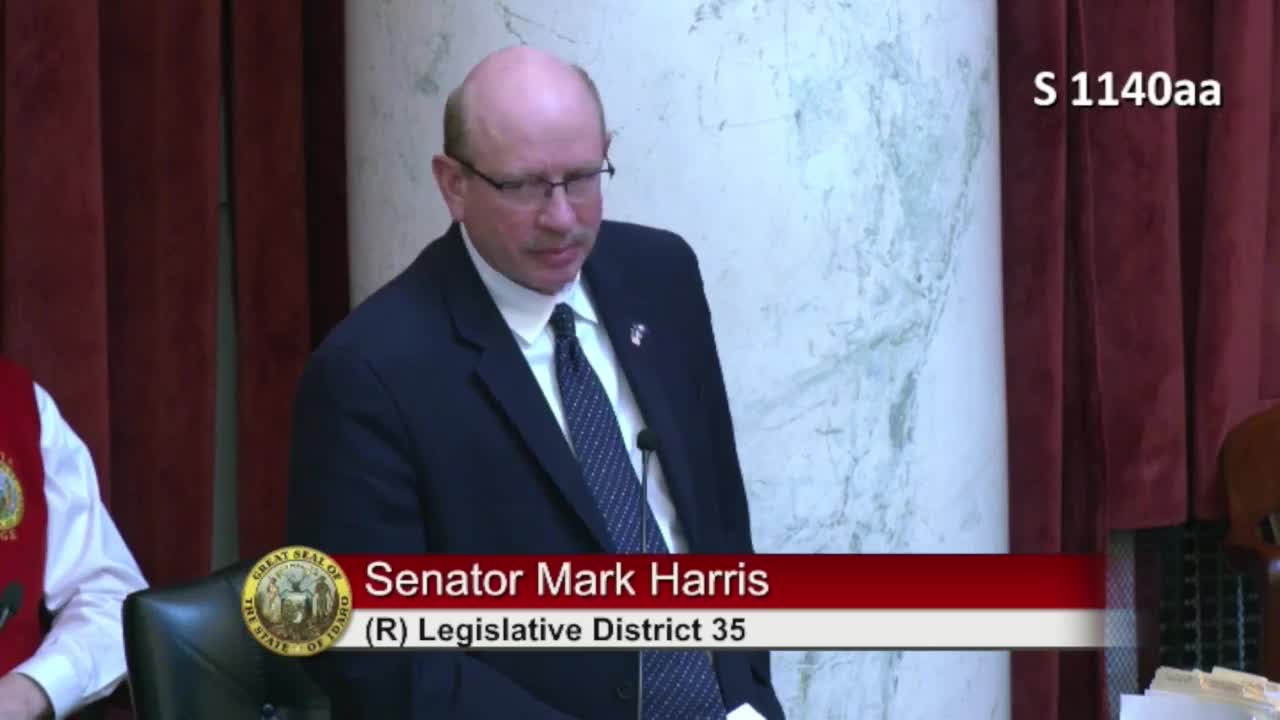
Key measures: Senate Bill 11‑40 (definitions for projects that primarily benefit motor vehicles) and Senate Bill 11‑44 (rights‑of‑way and clarifications about when pedestrian and bicycle facilities may be treated as secondary) were both considered by the Senate. Sponsors framed the bills as clarifying existing law to avoid narrow, unsafe road designs and to ensure highways are built with adequate width; both bills passed the Senate (SB 11‑40 by recorded vote 28‑6‑1; SB 11‑44 passed 26‑7‑2).
Why it matters: Proponents, including Sen. Sarah Harris, argued wider, straighter roads reduce crashes and that the bills preserve local boards’ ability to make project decisions while setting statewide minimum standards. Opponents, including Sen. Taylor and Sen. Melissa Wintrow, warned the measures could limit modern design tools (roundabouts, multimodal corridors) and that language such as "may only increase the width, straighten, or relocate" could be read to prohibit other safety improvements. Questions about constitutionality of legislative direction on local roads were raised and answered on the floor: legislative counsel advised the state‑owned road exception in the constitution means the prohibition on local/special laws does not apply to state‑owned highways.
Bike/ped impacts: Sponsors emphasized that sidewalks, crosswalks and bicycle facilities remain allowed and that projects can include these features when they are a collateral benefit or required to meet federal law or safety needs near schools and parks. Opponents said the bills narrow local discretion and risk delaying multimodal projects.
Next steps and implementation: Both measures passed the Senate and will be transmitted to the House. Supporters said the bills require local transportation authorities and highway districts to be intentional in design choices and to follow consistent state definitions; critics urged further refinement to preserve multimodal design flexibility.