Get Full Government Meeting Transcripts, Videos, & Alerts Forever!
Get email alerts on the Criminal Justice topic
No spam. Unsubscribe anytime.
Senate approves law creating aggravated lewd conduct class with mandatory minimums and potential capital penalty
Summary
The Idaho Senate passed House Bill 3‑80 on March 24, creating two new aggravated lewd conduct offenses for crimes against minors with mandatory minimum sentences and, in the most aggravated cases, life or the death penalty.
The Idaho Senate on March 24 approved House Bill 3‑80, which creates aggravated lewd conduct offenses for sexual crimes against minors and establishes mandatory minimum sentences and, in the most aggravated cases, life or the death penalty.
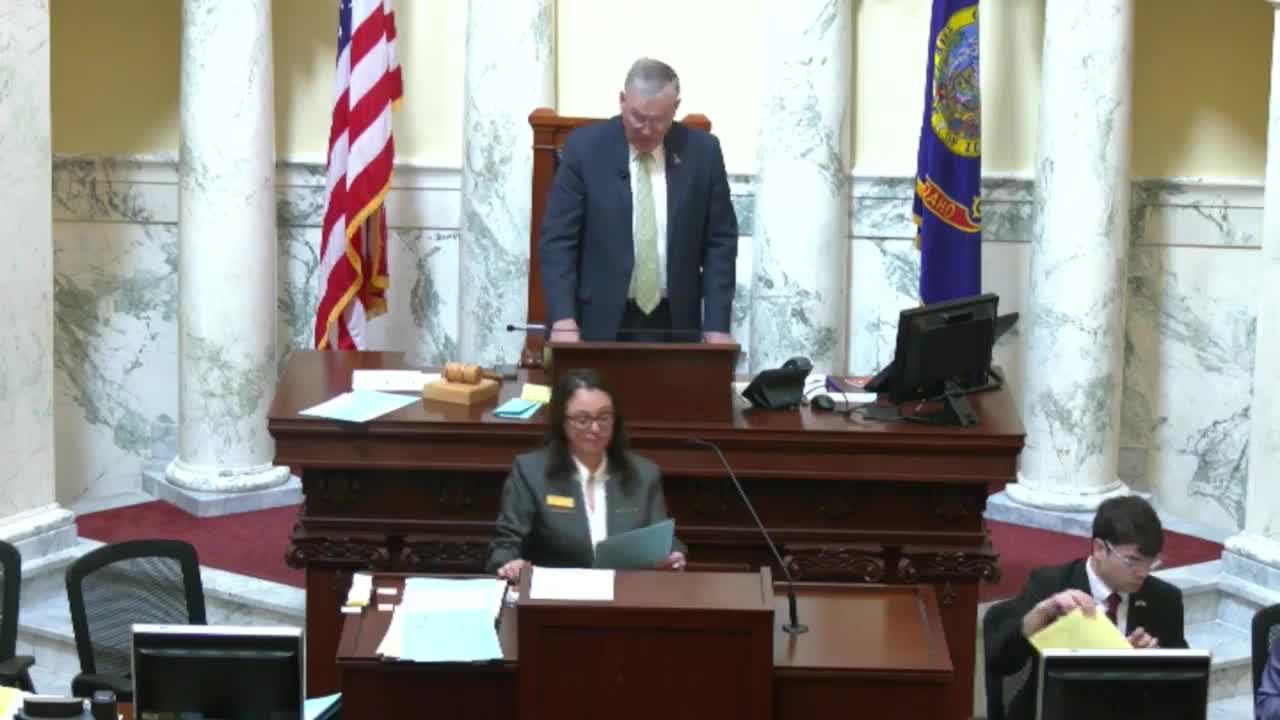
Sponsor Rep. (delivered in the Senate by) Sen. Ben Ricks (Senator Ben Ricks, sponsor) described the bill as a response to "horrific" crimes against children and said the legislation aligns Idaho with harsher penalties elsewhere. The bill creates two aggravated offenses depending on the child’s age bracket; for some offenses it sets a 25‑ or 30‑year mandatory minimum and permits life or death where multiple aggravating factors are proven. The sponsor noted the measure may invite constitutional challenge and that the attorney general’s office is prepared to defend the statute.
Why it matters: The bill expands the statutory range of penalties for the worst sexual offenses against minors, explicitly authorizing mandatory minimum terms and, when specified aggravating circumstances exist, the death penalty. Several senators said the policy is an attempt to protect children and send a strong deterrent message; others warned the death penalty raises moral and legal questions and noted the risk of irreversible error.
Debate highlights: Opponents including Sen. Melissa Wintrow and Sen. Mark Foreman said Idaho already can impose life sentences and questioned whether the death penalty is necessary, noting the risk of wrongful convictions and the effect on a justice system that can err. Supporters including Sen. Pete Taves, Sen. Jason Lenny and others argued the measure targets "the worst of the worst" and said it would be reserved for rare, particularly egregious cases. Sen. Ricks told the Senate the bill was drafted with input from Idaho prosecutors and modeled in part on statutes in other states and that the panel intends careful prosecutorial screening before seeking the most severe penalties.
Vote and next steps: The measure passed 30‑5 on a roll call recorded on the Senate floor and will be returned to the House of Representatives. Sponsors acknowledged the measure could prompt future constitutional litigation; the sponsor said the attorney general’s office is prepared to defend the statute.
Implementation notes: Supporters said the measure would be used rarely; the sponsor and supporters cited small numbers in other states as evidence that death‑penalty prosecutions under similar laws occur infrequently. Opponents urged caution and called for robust discussion about the state's use of capital punishment in child abuse cases.