Get Full Government Meeting Transcripts, Videos, & Alerts Forever!
Senators Tell Nominee Tariffs Are Raising Costs for Farmers, Consumers; Nominee Defends Policy Objectives
Summary
Multiple senators warned that the administration's tariff policy is creating market uncertainty and raising prices for agricultural exporters and consumers. The nominee said tariffs serve three goals — revenue, correcting inequities and a negotiating tool — and said reciprocal outcomes could lower tariffs if concessions are extracted.
WASHINGTON — Senators from states that rely on trade pressed Mike Faulkinder during his confirmation hearing about the administration's tariff policy, warning it is creating uncertainty for exporters and raising costs for consumers.
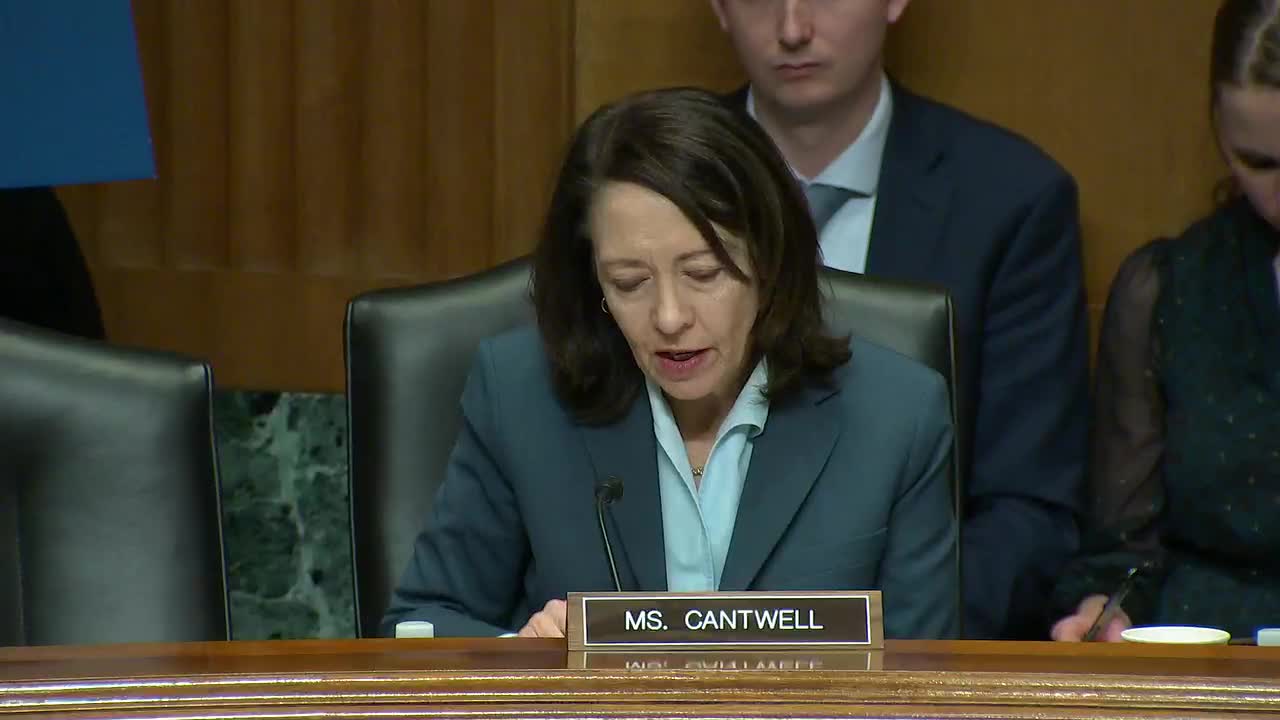
Senator Maria Cantwell told the nominee that apples, potatoes and wheat represent more than $3 billion in agricultural exports for her state and said the day-to-day unpredictability of tariff policy is harming producers, exporters and supply chains. Senator Cantwell asked Faulkinder whether the administration…
Already have an account? Log in
Subscribe to keep reading
Unlock the rest of this article — and every article on Citizen Portal.
- Unlimited articles
- AI-powered breakdowns of topics, speakers, decisions, and budgets
- Instant alerts when your location has a new meeting
- Follow topics and more locations
- 1,000 AI Insights / month, plus AI Chat