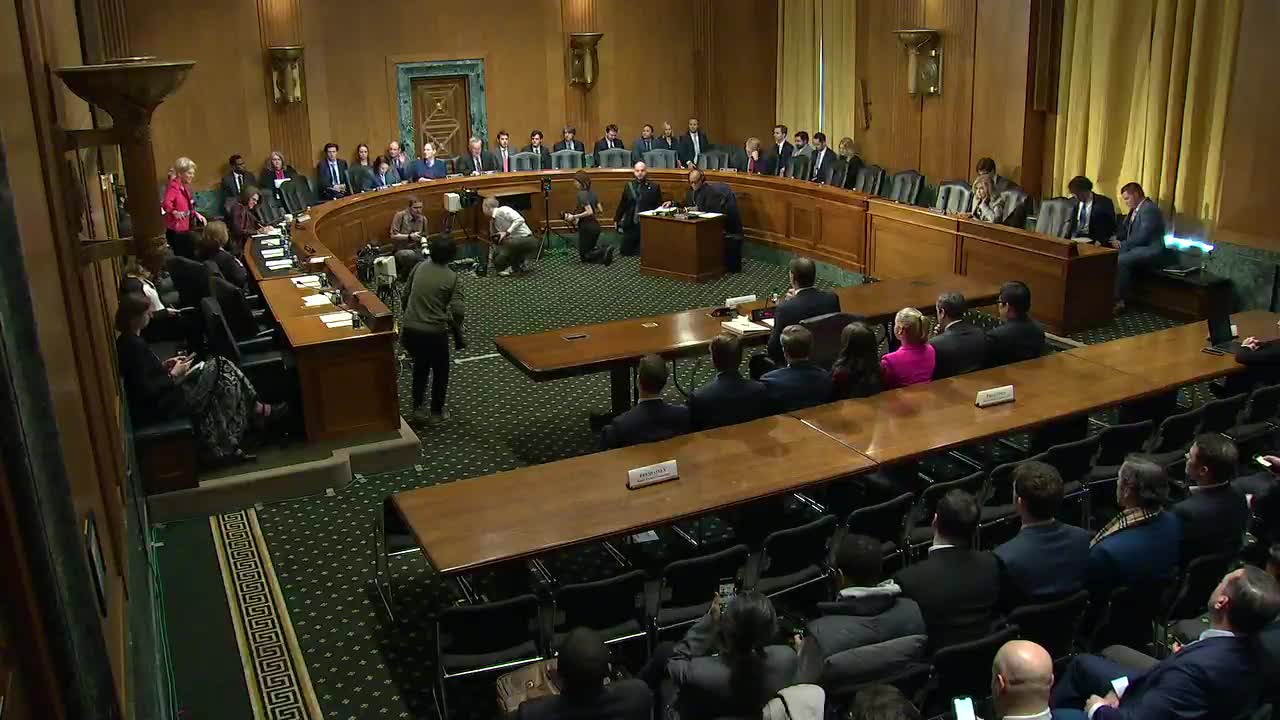
Senate Finance Committee Hears Nomation of Mike Faulkinder; Members Press on Treasury and IRS Oversight
Get AI-powered insights, summaries, and transcripts
SubscribeSummary
The Senate Finance Committee held a confirmation hearing for Mike Faulkinder's nomination to be deputy secretary of the Treasury. Senators questioned him about reported access to Treasury and IRS systems by outside personnel, proposed IRS workforce reductions, modernization plans for legacy systems and whistleblower protections.
WASHINGTON — The Senate Finance Committee on Monday heard testimony from Mike Faulkinder, nominee to be deputy secretary of the U.S. Department of the Treasury, as senators probed his record and pressed him on oversight of Treasury and the Internal Revenue Service.
Faulkinder, a university economist who previously served as assistant secretary for economic policy at Treasury, told the committee he is honored by the nomination and committed to following the law and responding to the panel's oversight requests if confirmed. He outlined prior government experience, including work on the CARES Act and the Paycheck Protection Program, and cited an award he received during earlier Treasury service.
Committee members said the deputy secretary post carries primary responsibility for the formulation and execution of Treasury policy across areas including federal payments, tax administration and sanctions. Several senators used the hearing to press Faulkinder about alleged unauthorized access to Treasury payment systems, reported and planned reductions at the IRS, protections for whistleblowers and Treasury's modernization plans.
Ranking Member Wyden (Senator Wyden) said his office had received late answers from Treasury and expressed alarm that, "Doge personnel infiltrated the Treasury Department payment systems with the intent to cut off USAID payments authorized by the congress." Wyden said the committee needs further hearings to investigate whether taxpayer privacy laws or controls over payment systems have been violated.
Faulkinder said he is currently serving as a counselor to the secretary and that, in that role, he does not have administrative or budgetary authority. He answered the committee's standard pre-hearing questions in the affirmative, including a pledge to appear before duly constituted congressional committees and to provide timely written responses to senators' inquiries. He told senators he would consult the treasury general counsel and follow legal guidance if asked about contested matters.
On questions about access to tax data, Faulkinder said, "It's not my understanding that Elon Musk has any access to IRS," and repeated that "only people authorized to access IRS information will be given access to IRS information." He told Senator Hassan he would consult the Office of General Counsel and follow the law if other agencies requested access to tax- return information covered by Section 6103 of the Internal Revenue Code.
Senators also pressed Faulkinder on reports of layoffs and potential workforce reductions at the IRS. When asked whether there is a plan to cut the IRS workforce by half, Faulkinder said he had not been briefed on any plan to do so beyond reduction actions already reported and that the secretary had told him the filing season would not be disrupted.
Several senators sought commitments on whistleblower protections after allegations that IRS investigators who reported alleged political interference were reassigned. Faulkinder told Senator Grassley he would work with the committee and pledged, if confirmed, to help address those personnel concerns and to support whistleblower protections.
Faulkinder described Treasury's current approach to Treasury and IRS modernization as emphasizing better data and systems architecture. He said the Bureau of the Fiscal Service is tightening requirements for payment-file fields so agencies submit more complete information, which Treasury officials say should make government spending more traceable and auditable.
On national security issues Faulkinder said the administration intends to reimplement a "maximum pressure" sanctions posture toward Iran and to use Treasury tools to target cartels and narcotics traffickers. He also defended the administration's broader economic agenda, including tax and regulatory reforms to stimulate growth.
Chairman Crapo (Senator Crapo) indicated he would support the nomination; the committee is expected to hold a vote in coming days and set a deadline for written questions. The committee adjourned after taking testimony and reserving time for follow-up questions in writing.
The hearing made clear that, if confirmed, Faulkinder would occupy a central role in the Treasury's response to several active oversight questions: whether outside personnel had access to Treasury payment systems, how the department will balance modernization with workforce changes at the IRS, and how whistleblower complaints will be handled.
The committee set a deadline for questions for the record on Monday, March 10, and senators signaled they will continue oversight of Treasury operations if Faulkinder is confirmed.