Get Full Government Meeting Transcripts, Videos, & Alerts Forever!
Senators and advocates press for rural housing preservation as USDA mortgages mature
Summary
Committee members and the National Low Income Housing Coalition discussed risks from expiring USDA mortgages in rural areas and urged policies to preserve affordability and continue rental assistance when loans mature.
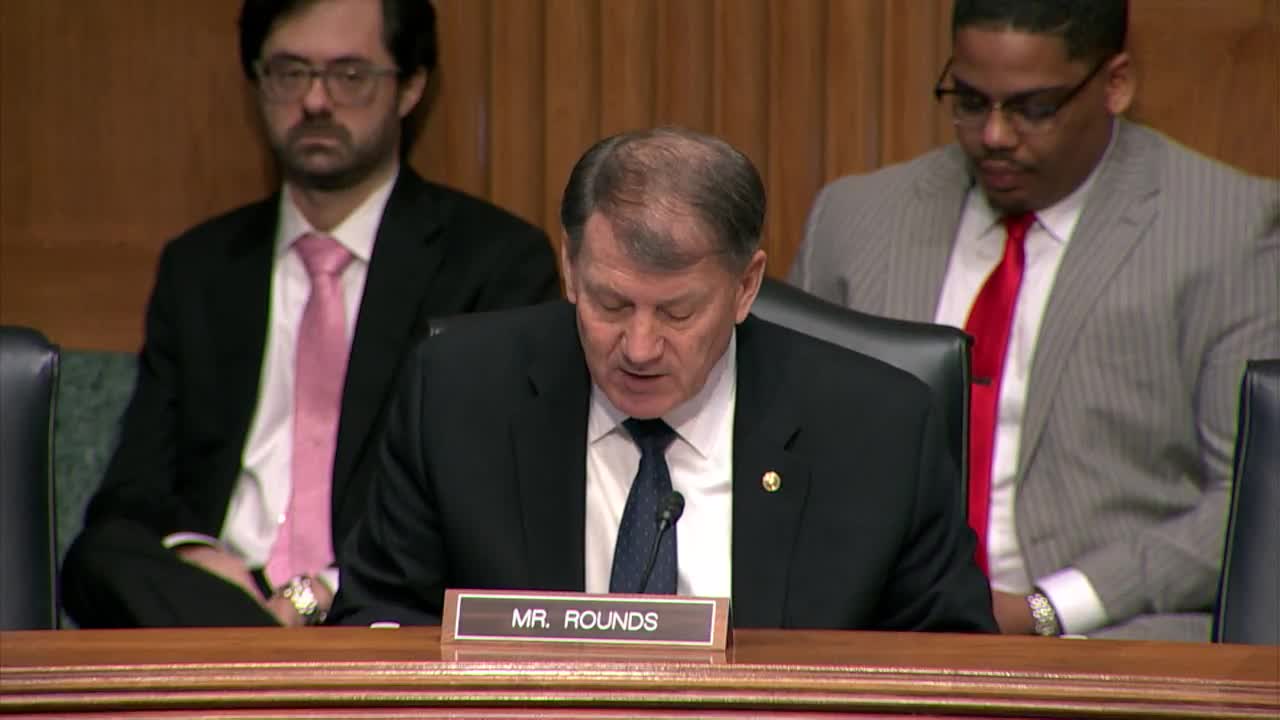
WASHINGTON — Rural housing preservation and the potential loss of affordable units as USDA mortgages mature drew sustained attention at a Senate Banking Committee hearing, with senators and witnesses urging legislative updates to protect tenants and preserve the housing stock.
Renee Willis of the National Low Income Housing Coalition said expiring USDA mortgages, often paired with subsidies,…
Already have an account? Log in
Subscribe to keep reading
Unlock the rest of this article — and every article on Citizen Portal.
- Unlimited articles
- AI-powered breakdowns of topics, speakers, decisions, and budgets
- Instant alerts when your location has a new meeting
- Follow topics and more locations
- 1,000 AI Insights / month, plus AI Chat