Get Full Government Meeting Transcripts, Videos, & Alerts Forever!
Mortgage industry witness urges GSE competition and tech adoption to lower borrowing costs
Summary
United Wholesale Mortgage’s chief innovation officer told the Senate committee that competition between Freddie Mac and Fannie Mae and adoption of appraisal and title tech could reduce costs for borrowers without weakening underwriting standards.
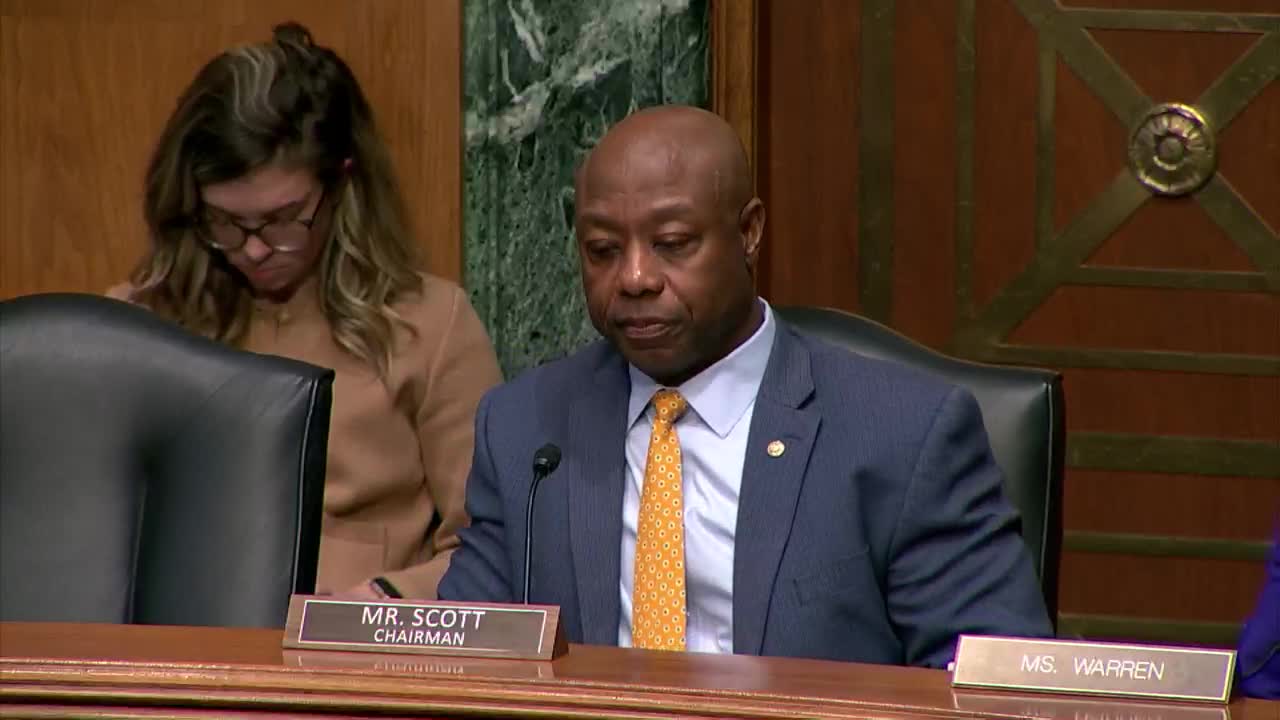
WASHINGTON — Lee Jelinek, chief innovation officer at United Wholesale Mortgage, told the Senate Banking Committee that competition among the government‑sponsored enterprises and greater use of technology could reduce mortgage costs and improve access to credit.
“Homeownership remains to be the most significant source of financial stability for American families,” Jelinek said in his testimony. He identified three headwinds:…
Already have an account? Log in
Subscribe to keep reading
Unlock the rest of this article — and every article on Citizen Portal.
- Unlimited articles
- AI-powered breakdowns of topics, speakers, decisions, and budgets
- Instant alerts when your location has a new meeting
- Follow topics and more locations
- 1,000 AI Insights / month, plus AI Chat