Get Full Government Meeting Transcripts, Videos, & Alerts Forever!
Get email alerts on the Gun Show Regulation topic
No spam. Unsubscribe anytime.
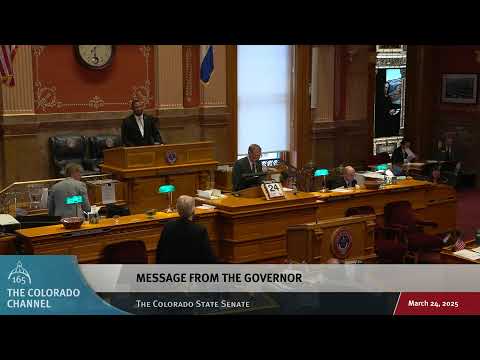
Senate adopts gun‑show rules requiring vendor certifications, security plans and vendor penalties
Summary
The Colorado Senate on March 24 adopted House Bill 12‑38, setting rules for gun‑show promoters and vendors including certified vendor attestations, security planning, signage, and vendor/promoter penalties for violations. Supporters said the measure closes enforcement gaps; opponents said it burdens small businesses and rural communities.
The Colorado Senate on March 24 adopted House Bill 12‑38, a measure that imposes registration, security and compliance requirements on promoters and vendors at gun shows across the state.
Sponsors said the bill is intended to strengthen compliance with existing firearms laws at shows where a mix of private sellers and licensed dealers convene, and to reduce the risk that contraband, unserialized receivers or prohibited large‑capacity magazines are offered for sale.
Why it matters: Supporters argued that some gun shows have insufficient checks and oversight and that the bill reduces gaps that can enable illegal sales or diversion of firearms. Opponents described the bill as an overbroad set of costly regulatory requirements that will impose disproportionate burdens on small, community‑run shows and rural vendors.
Major provisions adopted - Promoter duties: Gun‑show promoters must maintain a plan addressing security, posting mandated signage, monitoring entrances and exits, and notifying local law enforcement of the plan. The bill further requires promoters to ensure vendors provide vendor certifications of compliance and to retain certain records for the period defined in the bill. - Vendor duties: A vendor at a gun show must be a federally licensed firearms dealer (FFL) or display vendor credentials as required, comply with state and federal firearm laws, perform background checks or ensure buyers follow waiting‑period rules, keep displayed firearms unloaded and secure, and secure ammunition behind counters or in enclosed display cases. - Enforcement and penalties: The bill establishes misdemeanor penalties for violations by promoters and vendors, and provides for banning repeat violators from future shows for specified periods under the statute. Sponsors said this creates a means of enforcement when sellers use shows to circumvent rules.
What senators said - Sponsor argument: Senator Kipp and co‑sponsor Senator Danielson said the bill targets gaps in compliance at a subset of events and would require low‑cost security measures, written vendor attestation and basic record retention to enable law enforcement follow‑up. They described the measure as targeted and practical. - Opposition argument: A number of senators, including Pelton, Bridal and Liston, said the measure would impose unaffordable requirements on small, nonprofit and rural promoters, including high insurance thresholds, video storage requirements for parking lots and show entrances, and vendor certification steps that could push local shows out of business. Opponents repeatedly stressed there is little evidence that organized, lawful gun shows are a primary source of illegal firearms used in violent crime.
Floor actions and amendments - The Senate considered multiple floor amendments that would have reduced the proposed insurance and video retention requirements, removed or narrowed host liability, or exempted small venues; the transcript records several amendments that were proposed and defeated. - The Senate adopted the bill after floor debate. Sponsors emphasized outreach to promoters and stakeholders in shaping the final language.
What the bill does not do - It does not prohibit lawful gun ownership or private transfers that comply with state and federal law. The sponsors emphasized that lawful, licensed dealers remain accountable to federal law and that the bill is intended to close limited enforcement gaps at some events.
Looking ahead Promoters, vendors and local law enforcement will need to coordinate to implement the new requirements. Multiple senators urged the executive branch and stakeholders to provide clear, low‑cost compliance guidance for small and rural promoters. Opponents indicated they may monitor enforcement and consider additional legislative fixes in future sessions.
Ending note: The bill passed on March 24 after extensive amendment votes and floor debate, laying out new duties for gun‑show promoters and vendors intended to tighten compliance with existing weapons laws while drawing concern from rural and small‑business lawmakers.