Get Full Government Meeting Transcripts, Videos, & Alerts Forever!
Get email alerts on the Transit Reform Rtd topic
No spam. Unsubscribe anytime.
RTD-focused transit reform bill prompts Denver concerns about duplication, accountability and local influence
Summary
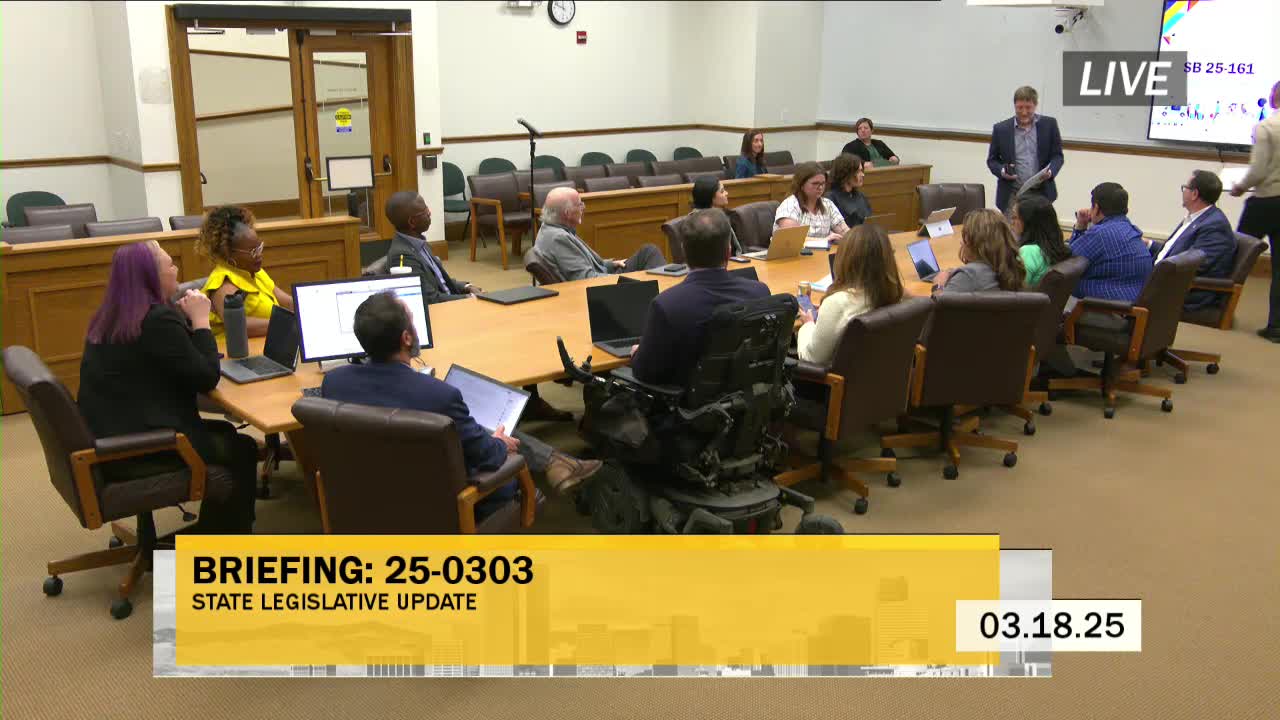
Denver transportation staff briefed council members March 18 on a state transit reform bill focused on the Regional Transportation District; staff said the measure duplicates some existing RTD reporting requirements and could dilute Denver’s influence via proposed non‑voting board seats and an external accountability committee.
Denver Department of Transportation and Infrastructure staff and RTD-adjacent stakeholders briefed the Finance and Governance Committee March 18 on a state transit reform package that staff said applies only to the Regional Transportation District (RTD).
David Kretzinger, transit director for the Department of Transportation and Infrastructure, summarized the bill and said it would give RTD some new powers, require additional reporting and align certain RTD requirements with how the state and Colorado Department of Transportation operate. Kretzinger said the bill would also add non‑voting seats for CDOT and metropolitan planning organizations and create an accountability committee housed in the Colorado Energy Office for up to a year to audit RTD.
Why council members objected: Kretzinger and council members said portions of the bill duplicate RTD’s existing reporting and planning obligations, including greenhouse‑gas and safety reporting. Councilmember Amanda Sawyer invited Councilmember Amanda Lewis — a former RTD director — who said she opposed the bill and described the accountability‑committee design as “disrespectful” because it could dilute local governance and would not create at‑large board representation that might address parochialism.
Other concerns: Staff questioned value of a 10‑year financial plan beyond RTD’s current six‑year plan, citing administrative burden and limited budgetary usefulness. Presenters also warned that creating non‑voting seats and an external accountability body could dilute Denver’s influence on regional transit decisions.
Next steps: The city’s lobby team reported RTD and regional planning organizations were in an amend position and expected to negotiate changes; presenters said they would continue to monitor amendments and seek clarifications. The briefing required no committee vote.