Get Full Government Meeting Transcripts, Videos, & Alerts Forever!
Get email alerts on the Infrastructure Bridge topic
No spam. Unsubscribe anytime.
Auburn council approves $50,000 change order as Lake Avenue Bridge design costs climb
Summary
The city authorized a $50,000 change order to CNS Engineers to complete Lake Avenue Bridge design work, bringing the contract total to $600,000 and revealing a construction estimate of about $8.4 million; councilors discussed funding, Buy America requirements and a likely one-season closure.
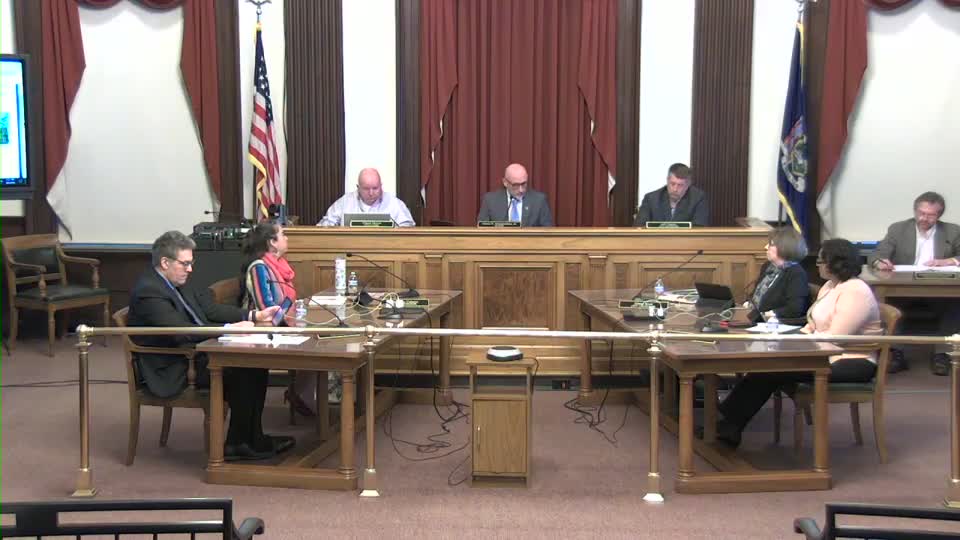
The Auburn City Council on Thursday approved change order No. 1 to the design contract for the Lake Avenue Bridge rehabilitation, adding $50,000 and revising the contract total with CNS Engineers to $600,000.
The change order was presented as necessary to finish plans, specifications and estimates to submit to the New York State Department of Transportation for reimbursement under a state touring-route/Bridge NY funding program. City engineering staff and consultants told council the project’s construction cost estimate has risen from about $5 million to roughly $8.4 million.
The increase, consultant Jeff Serena said, stems from more detailed inspections during design. “We quickly realized that the level of deterioration of the steel was far more than what the inspection report said,” Serena said. City engineer Scott McIntyre said the initial project estimate was about $5,000,000 and “it has increased quite a bit, to closer to an $8,400,000 bridge, for construction cost.”
Why it matters: councilors said the bridge serves a heavily used crossing and that delaying repairs risks more severe deterioration and higher costs. City staff said a rehabilitation is designed for a 25-year service life; pushing repairs later could produce additional structural warnings and require more extensive (and expensive) work.
Councilors asked about how the city would manage construction impacts. Councilor Cuddy raised the question of a full closure: “We’re closing the bridge completely for time reasons, and for, you know, that’ll cut down on the amount of time of construction if we close down the bridge. Correct?” Staff said closing the bridge for one construction season would shorten overall construction time; staged construction that leaves a lane open would likely stretch work across two seasons.
Funding and procurement issues came up. Staff said the project has maximized Bridge NY/state DOT funding and that the city has pursued additional grant options without success. Because federal and state rules govern the funding, Buy America requirements apply to steel and other materials, and staff said they built contingencies into estimates to reflect potential price escalation. Serena said a 6–7% contingency for field change orders is included in the estimate but that tariff or market changes remain an uncertainty that will be better understood as design progresses.
Councilors pressed engineers to limit nonessential features. “I don’t want any bells and whistles,” Mayor Genentino said during the discussion, asking that the design avoid decorative features to keep costs down. Staff responded that the design has remained focused on necessary repairs and that only minimal aesthetic work—restoring existing pilasters and a plaque—was being considered to match other city streets.
Action and next steps: the council approved the change order by roll call (Kent, Overstreet Wilson, Cuddy, Calarco and Mayor Genentino all voting yes). Staff said they will finish design, seek to secure DOT reimbursement, and aim to advertise for bids with a target bidding window in late summer; if bid and funding timing align, crews would look to substantially complete major work during a single construction season in 2026.
The council’s authorization included direction to the controller to make the stated budget transfers and to the mayor to execute reimbursement documents with the state DOT. Staff said they would return with details on traffic impacts, more refined cost estimates and a recommended construction schedule.