Get Full Government Meeting Transcripts, Videos, & Alerts Forever!
Get email alerts on the Eviction Recovery topic
No spam. Unsubscribe anytime.
Fourth Judicial District court outlines post-eviction recovery program, asks city to consider funding
Summary
A magistrate described a court-run eviction diversion and post-eviction recovery program that has helped nearly 1,000 people; the program is grant-funded through August 2026 and program leaders asked the Colorado Springs City Council to consider contributing roughly $107,000 a year to sustain core staff positions.
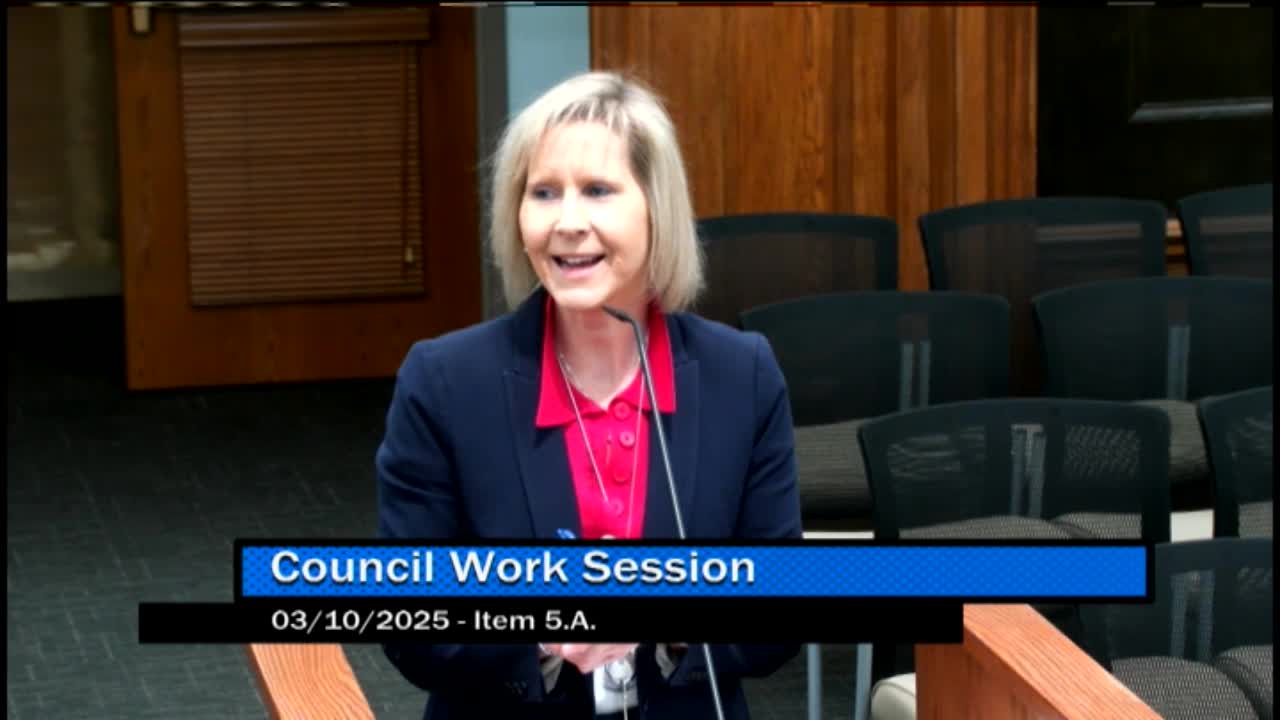
Magistrate Pat Siske told the Colorado Springs City Council that the Fourth Judicial District’s eviction diversion and recovery program has helped almost 1,000 individuals and seeks city support to continue beyond current grant funding.
Why it matters: The program provides mediation and immediate post‑eviction navigation for people who rapidly lose housing under Colorado’s fast eviction timeline, and program staff say sustaining it could be cheaper than adding a judicial position or absorbing longer‑term social costs.
Magistrate Pat Siske, a judicial officer in the Fourth Judicial District, said the court received a grant from the National Center for State Courts and began the program about a year and a half ago. “Our funding goes through August of 26, and if we don't find funding, it goes away,” Siske said. She asked the council to consider contributing funds to preserve program staff and services.
The program has three primary components, Siske told council: free mediation available to any tenant or landlord before filing; development of an automated “answer” tool to help unrepresented tenants prepare defenses; and a post‑eviction recovery “court assisted recovery” service that connects people to housing resources and support within 24 to 48 hours after an eviction order. Siske said Colorado’s eviction process moves so quickly that many tenants cannot be reached before they are removed — “it's 10 days,” she said — so the program focuses on what happens after an eviction order is entered.
Program staff Charlene and Cameron (court facilitators identified in the presentation) contact tenants after a case is filed and provide a single, vetted source of resources so people do not have to call multiple agencies. Siske said the program works closely with school districts to preserve school placement for children when families are displaced. She gave one example of a family with a child in a wheelchair who was able to remain in their home school after staff arranged transportation the next morning.
Council members asked for more details about cost and sustainability. Siske said the program’s total annual operating cost is $215,000 but that the court expects one position (Charlene’s clerk position) could be absorbed into the clerk’s office budget, reducing the incremental ask to about $107,000 a year. She added that the program had reduced eviction trials by about 15% through mediation and early interventions.
Council discussion focused on data, funding sources and partnerships. Council member Hengen asked for causal data about why filings have increased; Siske attributed the rise to several factors including the end of COVID protections and rent increases but said the program is now collecting demographic and cause data that the court previously lacked. Council member Donaldson asked for clarity on which categories the state law requires for pre‑filing mediation; Siske summarized those — recipients of Supplemental Security Income, participants in Colorado Works (TANF), and certain Social Security recipients — while stressing the program offers mediation to all parties.
Siske and council members discussed outreach: staff said they post flyers, make community presentations, and distribute a short informational video to reach tenants without internet access. Several council members urged coordination with county funding sources and city budget staff; the council president said the chief of staff and budget team would begin conversations in spring budget preparations.
Ending: Magistrate Siske said the program’s work is focused on preventing repeated displacement and keeping children in their schools, and she asked the council for help identifying stable funding sources before the current grant ends in August 2026. Council members signaled support for further discussion and follow‑up with budget staff and potential county and private funding partners.