Get Full Government Meeting Transcripts, Videos, & Alerts Forever!
Get email alerts on the Gun Shows Regulation topic
No spam. Unsubscribe anytime.
Senate adopts new gun‑show rules requiring vendor checks, display controls and security plans after long debate
Summary
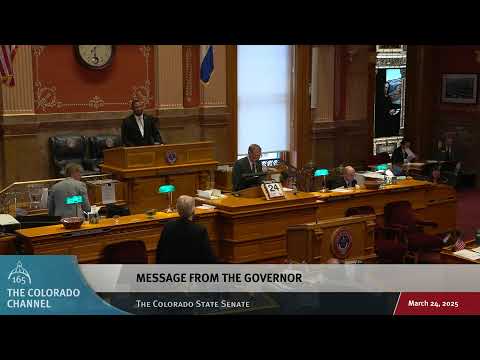
After lengthy floor debate and many failed floor amendments, the Colorado Senate passed House Bill 12‑38 on March 24, 2025, imposing vendor certification, signage, vendor requirements and security expectations for gun shows; sponsors say the bill closes trafficking and compliance gaps, critics call it burdensome for small promoters.
The Colorado Senate on March 24 approved House Bill 12‑38, a measure that sets new requirements for gun‑show promoters and vendors, including vendor certification, specific display and signage rules, recordkeeping and security and insurance expectations. The bill passed after extended debate and multiple defeated amendments.
Sponsor summary: Senator Kipp, the bill's lead sponsor on the floor, said the measure is intended to improve compliance with existing federal and state firearm laws at gun shows and to deter illegal trafficking and the sale of prohibited items. The bill requires promoters to file safety plans, maintain video surveillance of entrances and the parking area, require vendors to display federal firearms licenses and Colorado dealer permits, and to limit unattended sales and vending machines.
Key provisions adopted - Promoter obligations: The bill requires promoters to file and implement a security plan for each event, monitor entrances and exits (or employ security personnel), implement signage and to notify local law enforcement of the plan. In practice the adopted language requires promoters to ensure that vendors meet certain certification and display requirements. - Vendor rules: Vendors must display a federal firearms license (FFL) and Colorado dealer permit, keep firearms unloaded and secured while on display, keep ammunition secured behind counters or in cases, and comply with background‑check and waiting‑period requirements for transfers. Vendors must certify compliance with federal, state and local laws to the promoter. - Records and enforcement: Promoters and vendors must retain records (including vendor certificates and, for some events, surveillance recordings) per the statute. The bill creates criminal and administrative penalties for willful or repeated noncompliance; repeated violations can bar a promoter or vendor from participating in gun shows for a period.
Debate and objections - Sponsors' argument: Senator Kipp and co‑sponsor Senator Danielson argued the bill closes loopholes that state and federal authorities say can enable trafficking and the sale of prohibited items (for example, high‑capacity magazines and unserialized receivers). Danielson said the bill will "tie up any loopholes that might still exist" and cited stakeholder and law‑enforcement concerns. - Opposition and small‑business concerns: Several senators representing rural districts and small towns said the bill imposes heavy costs and paperwork on small promoters and mom‑and‑pop vendors. Senator Bridal called the insurance, surveillance and recordkeeping requirements a potential "crippling burden," saying the bill threatens community gun shows that fund local programs. Multiple floor amendments seeking to reduce insurance minimums, shorten surveillance retention, or narrow certification requirements were debated and defeated. - Privacy and scope concerns: Opponents warned the surveillance, signage and broad vendor‑certification language could chill lawful behavior and effectively curtail community events; supporters said the requirements are reasonable and often in line with existing business practices.
What the legislature did not do - The final bill does not remove all regulatory burden; several attempts to narrow insurance or record retention obligations failed on the floor. Sponsors said many promoters already follow these practices and that the statute simply sets a standard.
Outcome and next steps - The Senate adopted HB 12‑38 after floor consideration. The bill will be enrolled and transmitted to the governor for signature or veto according to the legislative schedule. Promoters, vendors and local law enforcement will need to review the final statutory language and plan for compliance on signage, records and vendor certifications.
Ending: The bill splits opinion between those who view it as necessary to close compliance gaps at gun shows and those who view it as excessive regulation that will harm small‑town promoters and community events.