Get Full Government Meeting Transcripts, Videos, & Alerts Forever!
Get email alerts on the Ems Operations topic
No spam. Unsubscribe anytime.
Akron says city‑run ambulance transports now generate more revenue than prior private provider model
Summary
Council members praised the fire department after officials said the city took over ambulance transports when private providers became unprofitable; annual transport revenue rose from roughly $2 million to more than $6 million and the department reported improved response and hospital turnaround times.
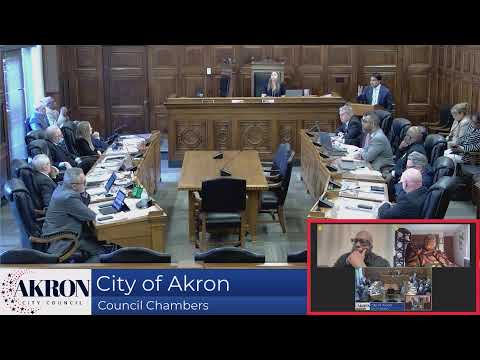
Akron officials told the Budget & Finance Committee that the city has assumed responsibility for ambulance transports previously handled by private contractors, and that billing revenues have increased substantially since that change.
Director Fricker and Fire Chief Henderson described a shift in which private ambulance contractors said their collection model (dependent on Medicaid and Medicare reimbursements and contracts with hospitals) was no longer viable. The city elected to staff and operate the transport function directly; Director Fricker said the city previously collected roughly $2 million annually from transports and now collects in excess of $6 million, with those revenues going into the EMS fund.
Chief Henderson credited the change with improved system performance: he said the department met staffing targets, handled roughly 47,000–48,000 calls annually, and showed improved response times and hospital turnaround times. The chief said the department has not needed outside agencies to perform transports and cited positive feedback from Summa Akron General Hospital on turnaround metrics.
Councilman Eric Garrett asked where the additional funds would be directed; Chief Henderson and Director Fricker said most revenue is retained in the EMS fund to cover staffing and operations, and that the department’s staffing increases had been a significant operational commitment. The chief also noted the department would receive recognition from the Red Cross for a major response earlier in the year.
Ending: Council members complimented the department’s performance and requested continued reporting on cost‑recovery and staffing benchmarks; staff said they will continue monitoring revenue, response times and hospital turnaround metrics.