Get Full Government Meeting Transcripts, Videos, & Alerts Forever!
Get email alerts on the Municipal Budgeting topic
No spam. Unsubscribe anytime.
Las Cruces presents FY2025–26 budget framework; Telstra fund, GRT and carryovers highlighted
Summary
City staff outlined a three‑phase “BASE” budgeting method and projected major carryovers from the Telstra fund, a voter-approved gross receipts tax increase set to take effect July 1, and next steps for council review.
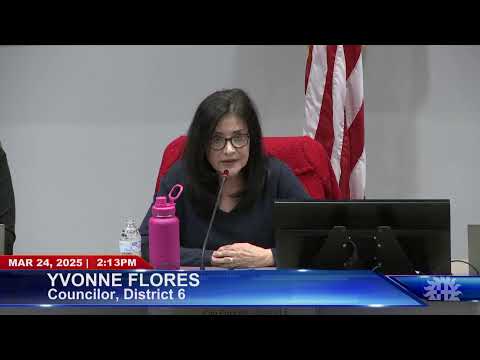
City staff presented the proposed fiscal year (FY) 2025–26 budget framework at a Las Cruces City Council work session on March 24, 2025. Jacqueline (budgeting grant administrator, last name not specified) summarized a new “BASE” budgeting method—Balanced, Accountable, Sustainable, Efficient—and walked council through three phases of funding: contractual/legal obligations (phase 1), maintaining current service levels (phase 2), and new or expanded requests including one‑time items and personnel (phase 3).
The presentation emphasized that the Telstra Fund is a restricted account intended to support “the continued physical, mental, developmental, emotional, and social well‑being, safety and housing needs of City of Las Cruces residents,” and that departments estimated roughly $28,000,000 budgeted from the Telstra Fund in FY25 with an estimated carryover into FY26 of about $22,000,000. Staff described these carryover figures as department estimates and subject to change.
Why it matters: Council discussion tied the budget to public safety, housing and social services priorities and to a recent voter‑approved gross receipts tax (GRT) increase. The GRT change — described in the presentation as a “point 325%” increase approved by voters — takes effect July 1, 2025; staff’s latest projection for revenue from that increase is roughly $10,000,000 for FY26. Council members and staff said no specific expenditures had been assigned to the GRT increase in the materials shown at the work session.
Staff explained how the three phases work in practice. Phase 1 covers legally required or contractually obligated expenditures (contracts, purchase orders, core operational costs). Phase 2 funds the existing service level, including recurring community services such as senior meals and vehicle replacement through the Vehicle Acquisition Fund. Phase 3 contains new requests or increases in service level—new positions, reclassifications, equipment and travel. The budget team reported approximately $29,000,000 in phase‑3 requests submitted; about $5,000,000 of that total was identified by staff as aligning with council priorities discussed at the December budget retreat. Staff emphasized these requests are not approved and that city management will make further funding decisions.
Councilors pressed staff on several items. Councilor Grama asked why a homeless‑outreach line showed an estimated carryover of zero; staff replied that departments expect to fully spend a $75,000 FY25 allocation and therefore do not expect carryover into FY26. Councilor Matisse noted roughly $1,100,000 in the FY25 budget for a real‑time crime center and said he would like to see greater priority placed on public safety in the upcoming budget. Another council member asked about projected cannabis‑related revenue; staff said those revenues are included in the full revenue picture but that a complete revenue schedule will be provided at the next work session.
City staff noted next steps: a combined work session and public hearing on April 14, 2025, and a proposed resolution to adopt the budget on May 19, 2025. No votes or formal budget approvals occurred at the March 24 work session; the presentation was for council review and comment.
Ending: Council members and staff signaled continued review between April and May and asked staff to return with more detailed revenue schedules and refined lists of proposed phase‑3 items tied to council priorities.