Get Full Government Meeting Transcripts, Videos, & Alerts Forever!
Get email alerts on the Public Engagement topic
No spam. Unsubscribe anytime.
Residents press borough for transparency; solicitor outlines libel and email privilege limits
Summary
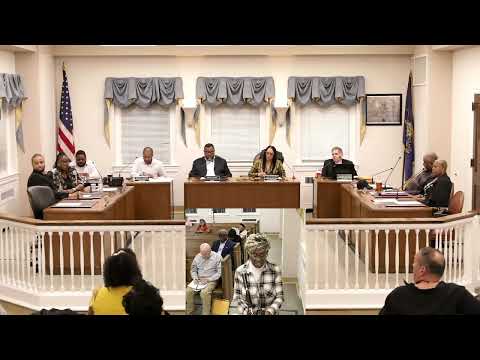
At the start of the March 20, 2025, Yeadon Borough Council legislative meeting residents used the public comment period to thank staff for recent transparency on tax-letter errors, press the borough for clearer communications about staffing and the chief’s contract, and ask what the borough can do if privileged resident-counselor communications are disclosed publicly.
At the start of the March 20, 2025, Yeadon Borough Council legislative meeting residents used the public comment period to thank staff for recent transparency on tax-letter errors, press the borough for clearer communications about staffing and the chief’s contract, and ask what the borough can do if privileged resident-counselor communications are disclosed publicly.
Anna D’Alessandri (citizen) opened public comments by thanking Finance Director Nafees Nichols for prompt transparency after property owners received certified tax letters tied to misposted payments from February 2024. She asked for continued transparency on the police chief contract, staffing levels and whether hiring a code co-director could reduce costs currently paid to an outside architectural firm. D’Alessandri also raised a concern that a privileged communication between a resident and a counselor may have reached the public and asked what steps the borough could take to avoid future disclosures.
Ron Francis (resident) and Clara Johnson (resident) delivered remarks thanking elected officials, the chief and borough staff for recent work and urging the community to support borough leadership. Johnson urged residents to avoid spreading what she described as misleading information on social media.
Solicitor Sean Kilkenny responded on the legal questions: he summarized that libel requires an untrue statement about an individual published in a forum such as a website or newspaper; truth is a complete defense. He said emails and other communications may be privileged in particular circumstances (for example, communications involving counsel in litigation) but that general communications between borough councilors, staff and constituents are not automatically privileged. Kilkenny said privilege depends on the content and context of the communication.
Why it matters: residents asked for clearer, proactive communications on actions that affect taxes, staffing and contracts. The solicitor’s explanation of libel and privilege clarified legal limits but did not identify any confirmed breach of privilege; the resident request prompted no immediate directive in the meeting other than the solicitor’s legal explanation.
What was not resolved: the transcript records a question about a potential disclosure of privileged communications but does not include evidence that the borough confirmed a specific breach or the identity of the material in question. Council did not vote on any follow-up policy at the meeting; the item remained an ask from residents and an informational reply from the solicitor.