Get Full Government Meeting Transcripts, Videos, & Alerts Forever!
Get email alerts on the School Budget topic
No spam. Unsubscribe anytime.
School officials cite state aid boost, rising special‑education and personnel costs in FY26 budget presentation
Summary
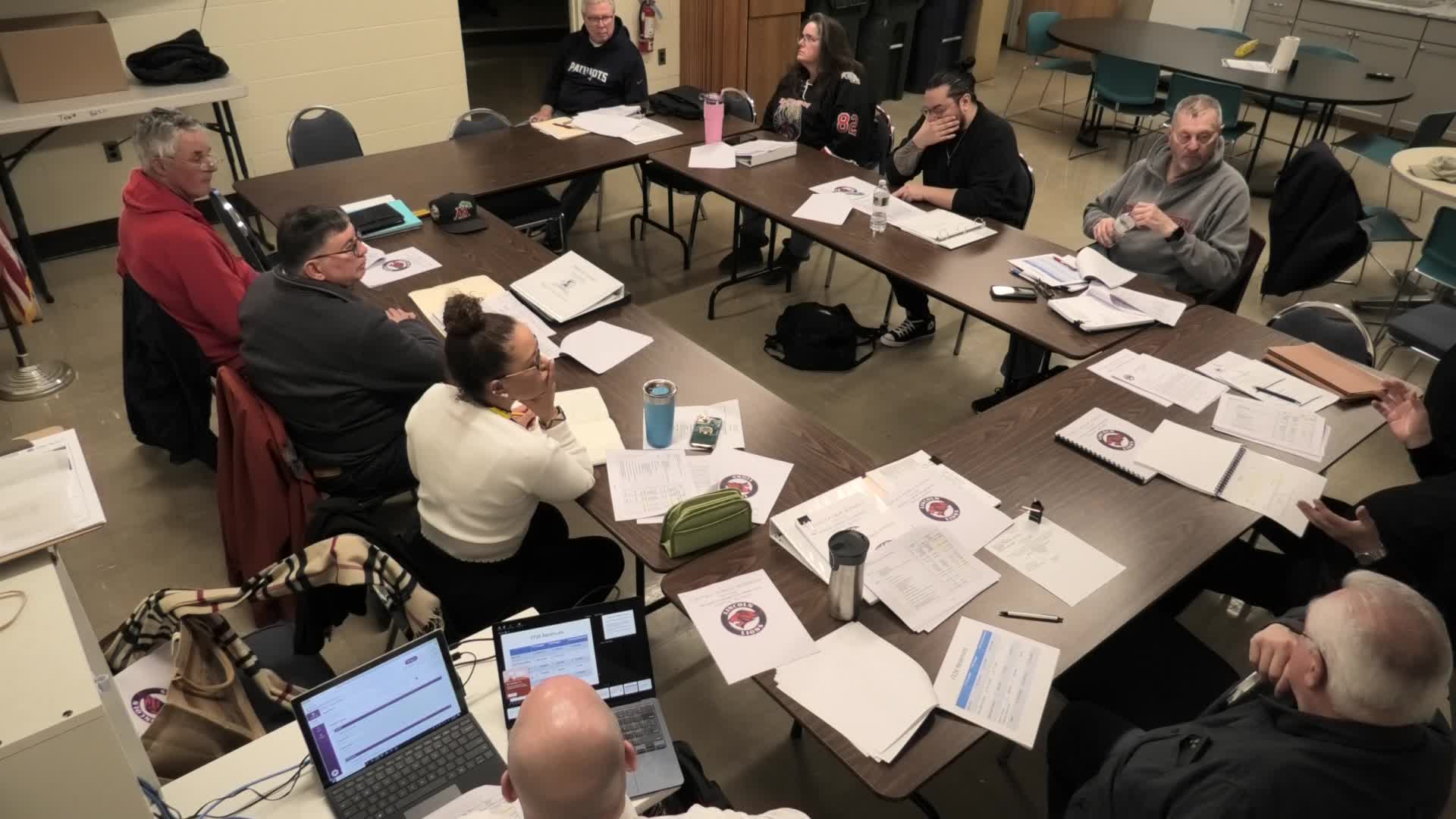
John McAfee, the district’s school business administrator, reviewed the Lincoln School Department’s proposed FY26 operating and capital budgets at a committee meeting, highlighting salary and benefit increases, rising special‑education costs and a recent increase in state aid as the largest budget drivers.
John McAfee, the district’s school business administrator, reviewed the Lincoln School Department’s proposed FY26 operating and capital budgets at a committee meeting, telling members the packet uses the state’s uniform chart of accounts and that the proposal tries to highlight the largest changes so the committee can “queue in on the big changes and the things that really do need attention.”
The presentation, which covered operating assumptions, capital priorities and revenue sources, emphasized three drivers of cost growth: negotiated salary increases and steps, expanding special‑education needs (including out‑of‑district placements and transportation), and higher utility and operating costs. McAfee said the district’s FY26 operating plan reflects a roughly 3.8 percent increase in overall budgeted expenditures compared with the prior year and noted the department received a substantial increase in state aid this year.
McAfee said salary and benefit increases make up the largest portion of the rise. He told the committee teacher pay and step increases account for the bulk of a roughly $1.67 million increase cited on salary lines, and non‑certified pay increases from last year contribute roughly $183,000 to the total. He described negotiated teacher increases built into the proposal and explained how step movement increases individual teacher pay beyond the flat percentage.
Special education and related transportation were singled out as major cost pressures. McAfee said the district was roughly $900,000 over budget in 2024 for out‑of‑district special‑education tuitions and added that out‑of‑district transportation and homeless‑student transportation rose significantly. He told the committee the district receives Medicaid reimbursement for some reimbursable services but estimated reimbursements cover roughly 35 to 40 percent of eligible costs, and that reimbursement totals are currently about $600,000 and can fluctuate with eligibility and services provided.
On operational items, McAfee listed transportation costs around $4 million and noted electricity and natural gas together are near $1 million. He described earlier confusion over virtual net‑metering invoices — a town provider had sent invoices to the town rather than the schools — and said the problem has been resolved and the district restated FY24 numbers before auditors arrived. He credited John Cimino for providing corrected metering information.
Capital and technology requests in the packet include Chromebook replacements, classroom and network upgrades, camera and intercom system work, field and turf maintenance, and site work at Salesville. McAfee said the district requested about $230,000 specifically for network and cybersecurity upgrades and that Chromebook purchases and associated licensing are quoted through a state price agreement. He also described athletics and field maintenance quotes and said the department is seeking to rebuild a Ferguson Field reserve with transfers of gate receipts and recent one‑time receipts; he said the committee has transferred $75,000 and received an $88,000 distribution from a dissolving regional collaborative and that the district expects to build a dedicated reserve near a quarter‑million dollars.
McAfee raised the practice of capitalizing some curriculum purchases this year to shift eligible, longer‑lived curriculum software and licenses into capital accounts; the committee discussed the distinction between consumable instructional materials (operating) and multi‑year licensed curriculum (capital) and flagged the need for clarity on what should be capitalized.
Committee members pressed staff about fiscal risks and assumptions. Multiple members said the increased state aid this year is welcome but volatile; McAfee and members warned that relying on a one‑time or year‑to‑year increase could create structural pressure in FY27 if the state contribution falls. Members also questioned the timing and accounting of transfers between operating and capital (including a proposed transfer into the school’s revolving fund to make projects eligible for RIDE housing‑aid reimbursement) and asked staff to clarify whether any amounts had been double‑counted in electronic worksheets.
On staffing items, McAfee identified proposed additions totaling about 5.5 full‑time‑equivalent positions, including classroom teachers, preschool staffing, and teacher assistants in schools with increased needs. He said the special‑education director will deploy a teacher who travels to outside placements and that preschool slots for three‑year‑olds identified with special needs require both instructional and peer placements.
McAfee repeatedly urged committee members to use the appended schedules in the budget packet for detail — he noted payroll schedules showing salary and fringe detail, a breakdown of transportation costs by in‑district and out‑of‑district routes (including contract rates with First Student and statewide rates), and appendices on utilities and net‑metering. “What the Department of Education put together probably about 10 or 12 years was its uniform chart of account,” McAfee said while describing the packet’s structure and the decision to align reporting to that chart.
The committee did not take a final vote on the FY26 budget at the meeting. Members set next steps: review tax collections, state aid calculations, grants and local revenues in upcoming sessions; circulate targeted follow‑up questions to staff; and aim to complete votes before the public hearing window. The meeting closed with a procedural voice vote to adjourn: motion made by Dave and seconded by Ruth; the chair called the voice vote in the affirmative.
Why it matters: the FY26 package ties directly to tax‑levy and municipal appropriation decisions. Committee members repeatedly noted that the town appropriation is capped administratively at a 4 percent increase and that a sizable swing in state aid or changes in formula could expose the district and town to budget pressure in FY27. The committee scheduled focused reviews of revenues and moving parts to test sensitivity and identify any spending or accounting changes before formal adoption.
Votes at a glance
- Motion to adjourn: mover Dave; second Ruth; outcome: approved by voice vote (no roll‑call recorded).