Get Full Government Meeting Transcripts, Videos, & Alerts Forever!
Get email alerts on the K 12 Budget topic
No spam. Unsubscribe anytime.
School committee previews roughly $67 million FY 2026 operating budget and flags $843,000 shortfall
Summary
At a Jan. 9 town committee meeting, members reviewed the Lincoln school department's preliminary FY 2026 operating and capital requests (about $67 million), identified main cost drivers including salaries and electricity, and discussed a roughly $843,000 projected budget shortfall and possible use of accumulated surplus.
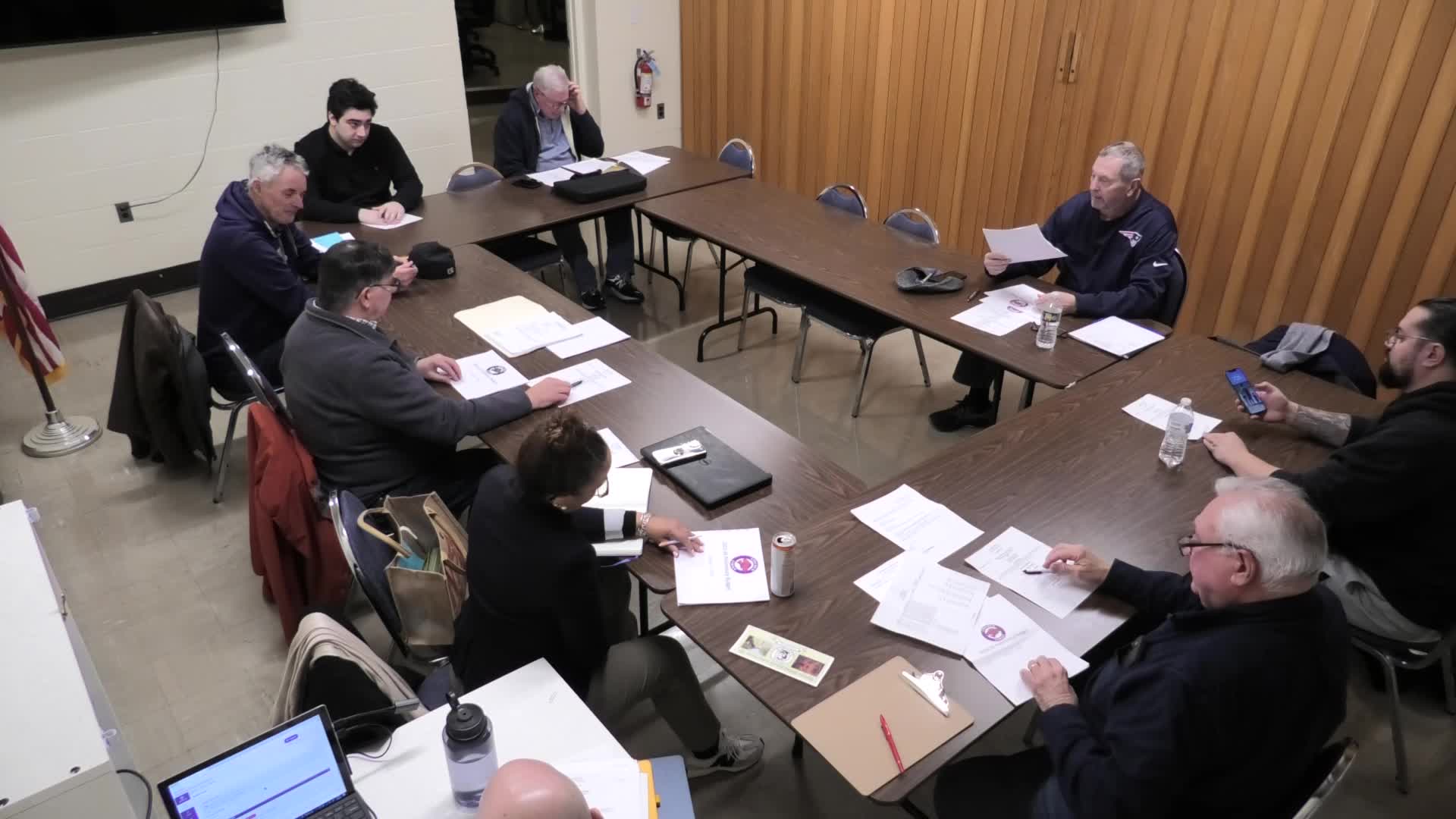
Lincoln 'Town Committee discussed the Lincoln School Department's preliminary fiscal year 2026 operating budget, estimated at about $67 million, during its Jan. 9 meeting. Committee members and school officials outlined major cost drivers, staffing requests, and a projected budget shortfall of roughly $843,000.
The proposed FY 2026 operating budget would be an increase over FY 2025 driven primarily by salary and benefit increases, added personnel requests and higher operating costs. School officials told the committee the draft assumes limited state aid and that the school committee does not want to present a budget that requires the town's appropriation to rise by the statutory 4% cap.
Committee members said salaries, step increases and negotiated pay changes are the largest single drivers. The draft includes about $1.64 million in requested personnel additions (two elementary teachers, one special-education teacher at Salesville, a preschool teacher and instructional assistants), along with projected increases in fringe benefits and pension contributions. The projection for medical premiums in the draft is roughly a 4% increase, though committee members noted the employee health trust has suggested higher rates (between 5% and 8%).
The schools reported several one-time funding and carryover issues. Officials identified roughly $518,000 in curriculum cost increases and another $164,000 tied to ESY (extended school year) costs; members said some recurring program costs had been temporarily paid with ESSER (federal Elementary and Secondary School Emergency Relief) funds in prior years and the draft budget reflects those costs returning to the operating budget. Committee members called this an "ESSER cliff" concern: one-time money masking recurring costs.
Electricity and net-metering invoices were discussed as a material line-item change. Committee members said the town and school had not previously been allocating the school's share of net-metering-related invoices consistently; the draft shows electricity increases of about $267,000 in part because those invoices are now being included in the schools' operating accounts.
Charter and CTE tuition and some transportation service costs were shown as decreasing in the draft, while special-education 1:1 nursing and related services were projected to rise (committee members cited an increase near $120,000). Committee members also noted anticipated teacher retirements were uncertain (the draft assumed five but the district had received notice from only one).
School leaders and town staff suggested several options to reduce the gap, including scaling noncore curriculum items, reclassifying some purchases as capital where appropriate, and drawing on an accumulated surplus (committee members estimated an available accumulated surplus in the $450,000'$500,000 range from FY 2024). The school committee chair, the committee was told, emphasized a desire not to present a budget that automatically seeks the full 4% maximum town appropriation.
The schools plan several next steps: a fuller school committee meeting the following Monday, revisions to the draft, and a special school committee meeting scheduled Jan. 27 to finalize the request to the town administrator. Committee members asked the district to present a departmental (rather than strictly school-by-school) view of the budget to make cross-cutting trends easier to track.
Questions and follow-ups identified at the meeting included: clarity on the net-metering invoices (which entity paid them when they were not invoiced to the school), confirmation of assumed health-care premium increases, verification of which recurring costs had been covered by ESSER and should be shifted back to operating, and the rationale for the selected personnel priorities (committee members signaled special-education staffing at Salesville as a top near-term priority).