Get Full Government Meeting Transcripts, Videos, & Alerts Forever!
Get email alerts on the Alcohol And Gaming topic
No spam. Unsubscribe anytime.
Bill would stop new veteran/fraternal alcohol licenses from offering gambling; sponsor cites fraud risk
Summary
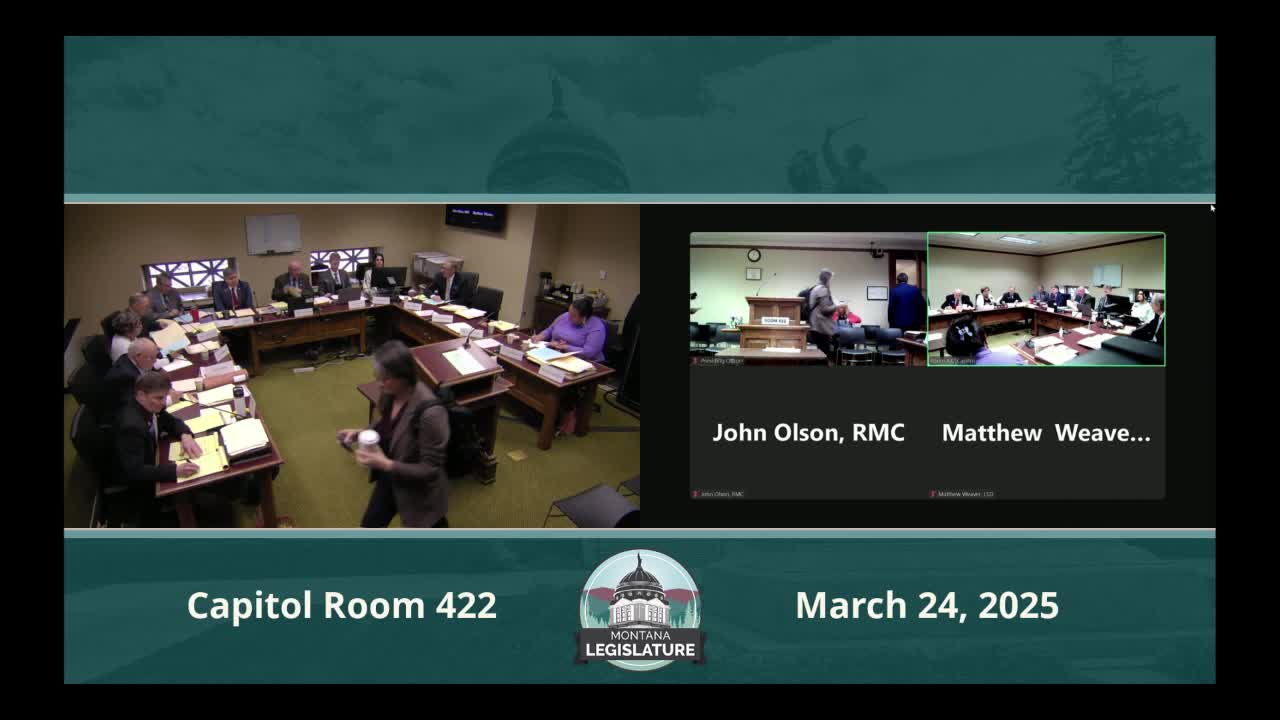
Representative Ed Buttrey told the Senate Business and Labor Committee that House Bill 668 aims to prevent entities that are not traditional veterans' or fraternal lodges from using federal definitions to obtain alcohol licenses with on-premises gaming privileges.
Representative Ed Buttrey told the Senate Business and Labor Committee that House Bill 668 aims to prevent entities that are not traditional veterans' or fraternal lodges from using federal definitions to obtain alcohol licenses with on-premises gaming privileges.
Why it matters: The sponsor said some newly formed organizations have used federal registration as a pretext to obtain lower-cost liquor licenses and gaming privileges that were not intended for commercial bars. HB 668 would allow the state to issue an all-beverage or beer-and-wine license to qualifying veterans and national fraternal organizations, but would prevent newly issued licenses obtained under those categories from also offering gambling activities.
Buttrey cited examples including the Order of Chosen Friends and the National Order of Cowboy Rangers, saying the state initially denied licenses but court challenges could require issuing a license under federal definitions. "If the court says give them the license, all we're doing is putting the restriction on those licenses that all other new licenses have," he told the committee.
Committee members sought confirmation that existing, established clubs such as VFWs, American Legions, Moose or Lions would not be affected; the sponsor confirmed existing organizations and their licenses are not impacted by the bill. He described the measure as aligning treatment of such new licenses with the existing rules for new quota-based licenses in cities, which typically do not include gaming privileges for new-license applicants.
Where it stands: The hearing included explanation from the sponsor and brief questions; no formal vote was recorded.
Ending: Sponsor closed saying the change would not affect longstanding veteran or fraternal clubs but would prevent new, license-seeking entities from operating gaming under a newly issued veterans/fraternal license.