Get Full Government Meeting Transcripts, Videos, & Alerts Forever!
Get email alerts on the Labor Rights topic
No spam. Unsubscribe anytime.
Bill would bar employers from blocking workers seeking public office and protect benefits during leave
Summary
House Bill 667 would prohibit employers from restricting employees seeking elected or appointed city, county or state office and protect some benefits for employees who take statutory leaves of absence while serving in public office; sponsors said the change will encourage working people to run for public service.
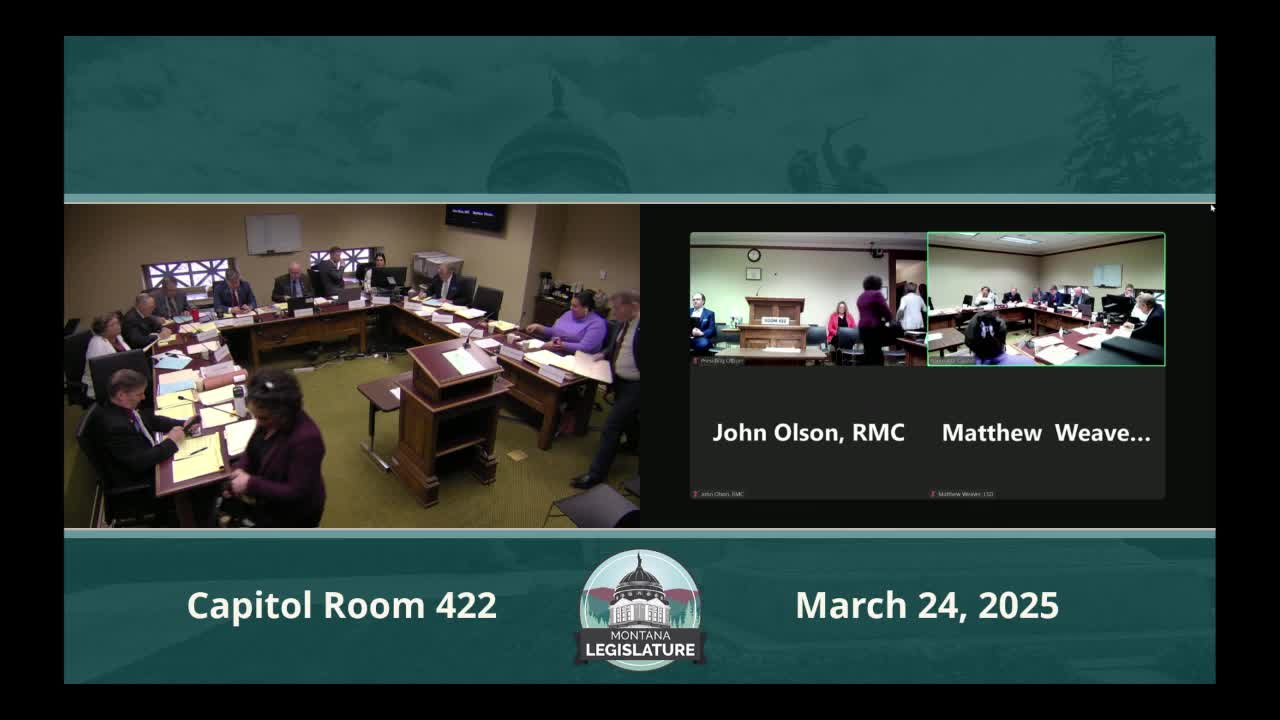
Representative Ed Buttrey introduced House Bill 667 to the Senate Business and Labor Committee, saying the measure protects employees who seek or accept elected or appointed public office. The bill would bar employers from prohibiting or retaliating against employees who run for city, county or state office and would prohibit employers from requiring use of vacation or sick leave while the employee serves on a mandatory leave of absence for public service.
Why it matters: Sponsors said existing protections apply to elected or appointed employees in some situations, but HB 667 extends protections to employees who seek office and clarifies benefit-treatment during a statutory leave of absence. Supporters argued the change removes a barrier for working people to serve in public roles.
Representative Buttrey said existing statute (39-2-104) provides mandatory leaves when an employee is elected or appointed, and HB 667 adds that employers "may not prohibit or restrict an employee from seeking election or appointment to a city, county, or state public office" and would stop retaliation or discrimination for running. The bill also says an employer that provided a device for personal use (phone or computer) may allow continued personal use during the leave.
Quentin O'Connor, chief legal counsel for the Department of Labor and Industry, appeared to answer committee questions. He said the existing statute applies to employers who employ 10 or more persons and that the Human Rights Bureau would not be the enforcement mechanism for complaints under this bill because the bureau's jurisdiction is limited to the Human Rights Act; enforcement options would rely on other wage-benefit and employment statutes.
Committee members asked whether the bill covers private and public employers (it does) and whether other benefits such as retirement or health insurance are covered (O'Connor said they are not explicitly covered in the current draft). Representative Buttrey said the bill's purpose is to encourage public service by removing employment-related barriers.
Where it stands: The committee heard the bill and informational testimony and asked questions about enforcement, scope, and employer size thresholds. No formal committee vote was recorded at the hearing.
Ending: Sponsor asked members to "do concur" and emphasized the bill's aim to protect working Montanans who choose to run for public office.