Get Full Government Meeting Transcripts, Videos, & Alerts Forever!
Get email alerts on the School Maintenance Infrastructure topic
No spam. Unsubscribe anytime.
Committee debates renaming School Building Authority, shifting focus to maintenance; discussion laid over
Summary
A committee substitute would rename the School Building Authority to the School Maintenance Authority, prioritize maintenance projects for funding, and require annual reporting; testimony from SBA officials raised bond, funding and oversight concerns and the committee laid the bill over for further review.
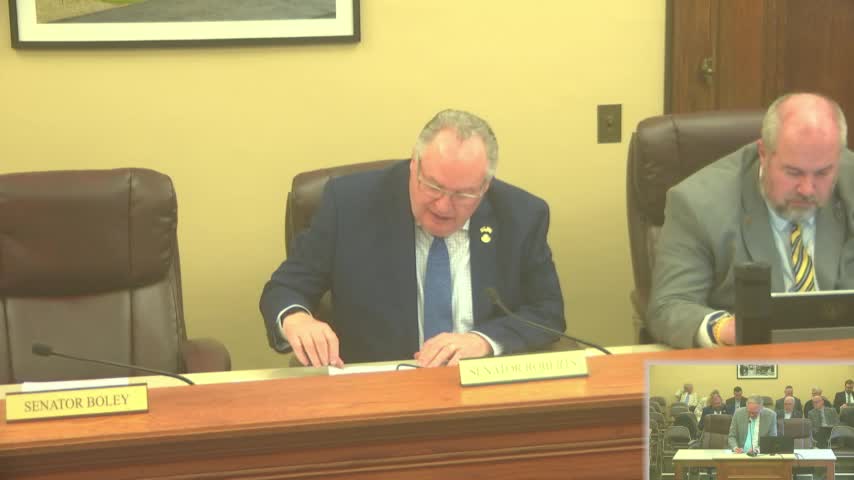
The Senate Education Committee considered a committee substitute for Senate Bill 261 on March 20 that would rename the School Building Authority (SBA) to the School Maintenance Authority and shift its statutory focus from financing school construction to prioritizing and funding school maintenance.
Counsel described changes that add a definition for maintenance projects, require the authority to prioritize maintenance when distributing funds, and mandate an annual report to the Legislative Oversight Commission listing projects funded and percentages allocated to construction, major improvements and maintenance.
Why it matters: supporters said the change would refocus limited state resources on preserving existing school facilities; critics, including SBA staff who testified, warned of legal, practical and fiscal consequences to renaming the authority and altering its mission, especially for bond issuance and oversight.
Committee counsel summarized the substitute: it "expresses the intent to transition the purpose of the authority from an entity that focuses primarily on financing school construction and improvements to an entity that focuses primarily on financing school maintenance," and it requires prioritization of maintenance projects. Senators questioned how the bill would change current funding practice and whether counties that have not kept up preventive maintenance would be required to demonstrate local stewardship before receiving state support.
Andy Neptune, identified as executive director of the School Building Authority of West Virginia, and Jordan Kirk, SBA chief financial officer, testified in the committee room. Neptune described the SBA's existing work with counties and the comprehensive educational facility plan (CFP) counties use to prioritize projects. Kirk and Neptune said changing the authority's name would require technical changes—including reissuing bond documents and indentures—and produce administrative and market effects. "We'd have to rename in every facet. So we'd have to reissue all of our bonds that we currently have with the new name under them, new indenture documents," Neptune said.
SBA staff offered data showing the range of projects the authority has funded since FY2020: a mix of new schools, roof replacements, mechanical/plumbing/electrical upgrades, safety projects and renovations. Director of architectural services Dana Womack said SBA and the Department of Education examine counties' preventive maintenance practices and that the SBA inspects funded projects for up to 10 years; she confirmed the authority considers whether a county has used local funds or has preventative maintenance plans when evaluating requests.
Several senators raised concerns that altering the authority's focus might affect bond market reception; CFO Jordan Kirk warned that bond buyers may prefer financing construction projects over recurring maintenance needs, and Neptune said the authority's historic bond issues and related legal documents would need revision. A senator asked who pays bond debt; Kirk said the bonds have been repaid from excess lottery and lottery debt-service funds and that the last bond issue was in 2022.
The committee also discussed whether the substitute changes incentives so that local counties could defer maintenance in hopes of receiving state funds; counsel and SBA witnesses confirmed counties currently have options such as levies and local funding and that SBA evaluates county need and previous maintenance before grants are awarded. The committee did not adopt final language altering those eligibility criteria during the session.
Outcome: with time running, the committee chair announced the bill would be laid over to the next day's meeting for continued discussion. The committee took no final vote on the committee substitute and requested additional review and time to consider bond implications, funding guardrails and the proposed reporting requirements.
Ending: SBA officials agreed to return with additional detail; the committee postponed action to allow further review of fiscal and legal effects-related questions raised during testimony.