Get Full Government Meeting Transcripts, Videos, & Alerts Forever!
Get email alerts on the Public Safety topic
No spam. Unsubscribe anytime.
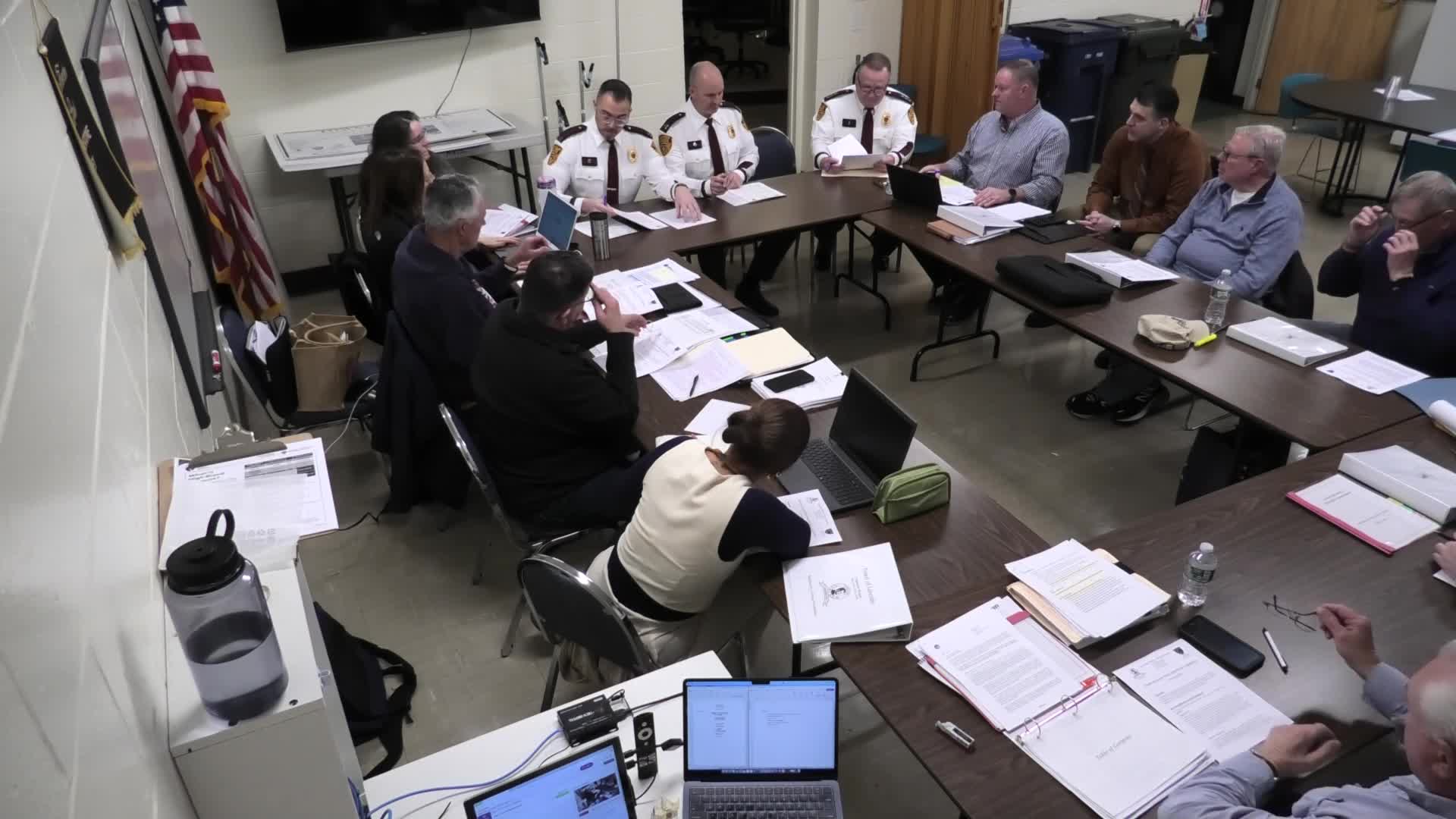
Lincoln Police highlight accreditation, grants and equipment upgrades in budget briefing
Summary
Police officials reported accreditation success and a series of grant‑funded equipment upgrades, and requested additional recurring budget items for records migration and one officer. Officials said a near‑term state grant would fund body cameras for five years, pending written confirmation.
Chief Fleming and Lincoln Police captains told the Budget Board the department achieved accreditation, secured major grants for communications upgrades and sought funds to sustain new technology and modest staffing increases.
Chief Fleming (recorded as "Chief Fleming" in the transcript) said accreditation was completed and will reduce the town’s liability costs by lowering deductible exposure under the municipal insurance trust. The department reported a roughly $690,000 federal grant for mobile and in‑car radio equipment that will expand reliable radio coverage across town, including LTE‑backed capability for hard‑to‑reach spots.
Command staff outlined additional requests and progress: the department has a grant application for a TrueNarc chemical‑identification unit to speed safe on‑scene narcotics confirmation and reduce hazardous field testing; a pending grant for taser replacements; and a migration from the legacy IMC records system to the CSI platform. The CSI migration will raise software costs in the first year (the transcript recorded a temporary increase from about $18,000 to roughly $43,000 while both systems run for data transfer) and then decline once IMC is retired.
Police leaders said they have asked for one additional officer (raising headcount from 40 to 41 in the proposed budget) to sustain operations and manage increased workloads tied to new systems, discovery requests, and expanded traffic/enforcement activity. The department also reported higher motor‑vehicle‑stop and citation activity after adding a traffic officer and a combined fleet manager/traffic role; the added capacity has increased citation revenue and generated federal overtime reimbursement opportunities through NHTSA enforcement grants.
On body‑worn cameras, captains said the state has indicated funding would be provided for a five‑year period but that the department is seeking written confirmation of the commitment before the town assumes operating costs. Staff emphasized that camera adoption requires administrative capacity for redaction, audits, and discovery requests—work the department says it is now in a better position to manage because of recent staffing gains.
Ending: Police officials told the board they will forward documentation for grants, provide a clearer one‑year cost for the CSI migration, and supply a written guarantee or alternative funding plan for body cameras before the board finalizes the budget.