Get Full Government Meeting Transcripts, Videos, & Alerts Forever!
Get email alerts on the Environmental Stewardship topic
No spam. Unsubscribe anytime.
Resident designer urges Williamsville to invest in bioswale maintenance and community stewardship
Summary
Alexandra Zirkle presented planting, soil and community-engagement strategies to make Williamsville’s bioswales self-sustaining, and trustees agreed to adjust upcoming volunteer events and public outreach.
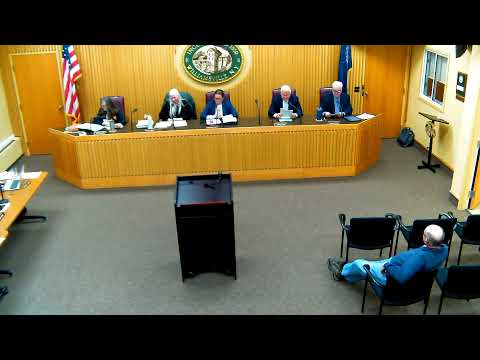
Alexandra Zirkle, a Village of Williamsville resident and certified permaculture designer, told trustees on Feb. 24 that the village’s bioswales are “a tremendous resource for the village” but require focused maintenance and resident education to reach their ecological and aesthetic potential.
Zirkle — who identified herself as a University at Buffalo professor and a board member of Deeply Rooted Community Garden — outlined low-cost design fixes such as using cover crops (she suggested crimson clover), dividing healthy perennials (New England asters were named), adding winter-interest shrubs such as red osier dogwood, and planting species chosen for drought and salt tolerance. She emphasized matching species to site conditions to reduce long-term maintenance needs.
She proposed engaging businesses and residents with a short menu of plant choices for specific swales, installing minimal educational signage and organizing “learn-and-work” volunteer days to teach transplanting, seed collection and winter sowing. Zirkle said those activities would build stewardship while lowering recurring maintenance costs.
Trustees and staff discussed immediate steps. Deputy Mayor Tory said the village will hold a spring cleanup (Live My Park Day) focused on trash removal rather than intensive planting, and the larger community event ‘‘Greenup Williamsville’’ will be moved to June to allow for planting after the first flush of growth. Ben, a public-works staff member, and Zirkle discussed transplanting tall ornamental grasses from sight-line locations to less obstructive sites and selecting plants adapted to wet or dry swale conditions.
Residents who attended supported the approach. Marissa Riggi, a resident who later spoke during the public-comment portion of the regular meeting, told the board she found Zirkle’s plan “well informed” and urged the village to invest modest funds now to reduce costs later. Tom Franke, another resident, reinforced wider regional opportunities for creek- and greenway-related funding while speaking later in the meeting.
No ordinance or funding appropriation was adopted at the session; trustees treated Zirkle’s presentation as a basis for follow-up outreach and volunteer programming.