Get Full Government Meeting Transcripts, Videos, & Alerts Forever!
Get email alerts on the Pollinators Bee Survey topic
No spam. Unsubscribe anytime.
Researcher tells committee 76 native bee species were recorded in Treasure Valley and urges pollinator protections
Summary
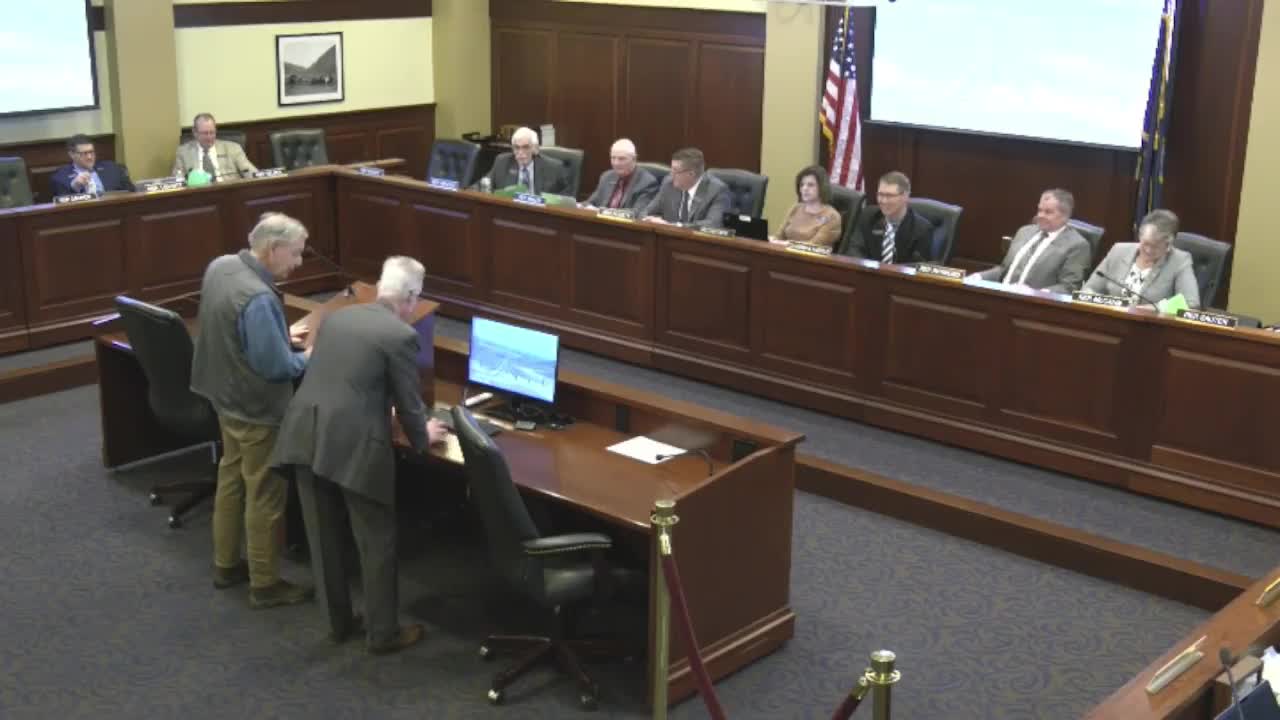
Ron Bittner presented results of a Treasure Valley native-bee survey to the House Agriculture Affairs Committee, reporting about 10,000 specimens collected and 76 species identified (roughly 90% ground-nesting). He urged funding and policy steps to protect pollinators that support high-value specialty seed crops.
Ron Bittner, a researcher who works with the College of Idaho and collaborators, told the House Agriculture Affairs Committee that a 2022–23 survey of pollinators in Canyon County recorded roughly 10,000 bee specimens and at least 76 species.
Bittner said ground-nesting bees comprised about 90% of the individuals collected and that many nests occur 10 to 12 inches below the soil surface. He warned development and earth-moving activity are destroying habitat for those species. “As we were surveying these bees…we’re probably losing thousands every day because of the scoops, earth movers that are picking them up,” he said.
The survey targeted up to 12 seed and specialty crops — including flax, turnip, onion seed, echinacea, carrot seed, alfalfa seed and Jerusalem artichokes — using color-attractant pan traps (soapy-water pans) and taxonomic identification at the Logan Bee Lab. Bittner said collaborators included Oregon State University, the University of Idaho and taxonomists at the Logan Bee Lab; the work was supported by a specialty crop grant that began in 2022.
Bittner described practical implications for growers and seed companies: native pollinators can complement honey bees, especially as honeybee colony numbers fluctuate. He cited large honeybee losses tied to almond pollination and listed potential stressors — pests (varroa mites), chemicals and urbanization — while stressing that the science does not support older claims that radio-frequency emissions from towers are a major driver of bee decline.
He urged state support for continued surveying, an Idaho Bee Atlas and expanded outreach to citizen scientists and master gardeners. Committee members asked about policy levers; Bittner recommended funding for continued surveys and demonstration projects showing soil- and pollinator-friendly practices, and described work with local growers on no-till and regenerative practices that can help ground-nesting bees.
Bittner said the grant had been reduced and that he was pursuing additional funding. No committee action or vote was recorded during the presentation.