Get Full Government Meeting Transcripts, Videos, & Alerts Forever!
Get email alerts on the Itprocurement topic
No spam. Unsubscribe anytime.
North Dakota IT officials tell appropriations committee major IT procurements can take up to a year; urge earlier agency planning
Summary
State IT leaders told the House Appropriations — Government Operations Division that large technology projects typically require extended planning and procurement timelines, and urged agencies to involve Information Technology Department (ITD) staff earlier to avoid costly delays and duplicate systems.
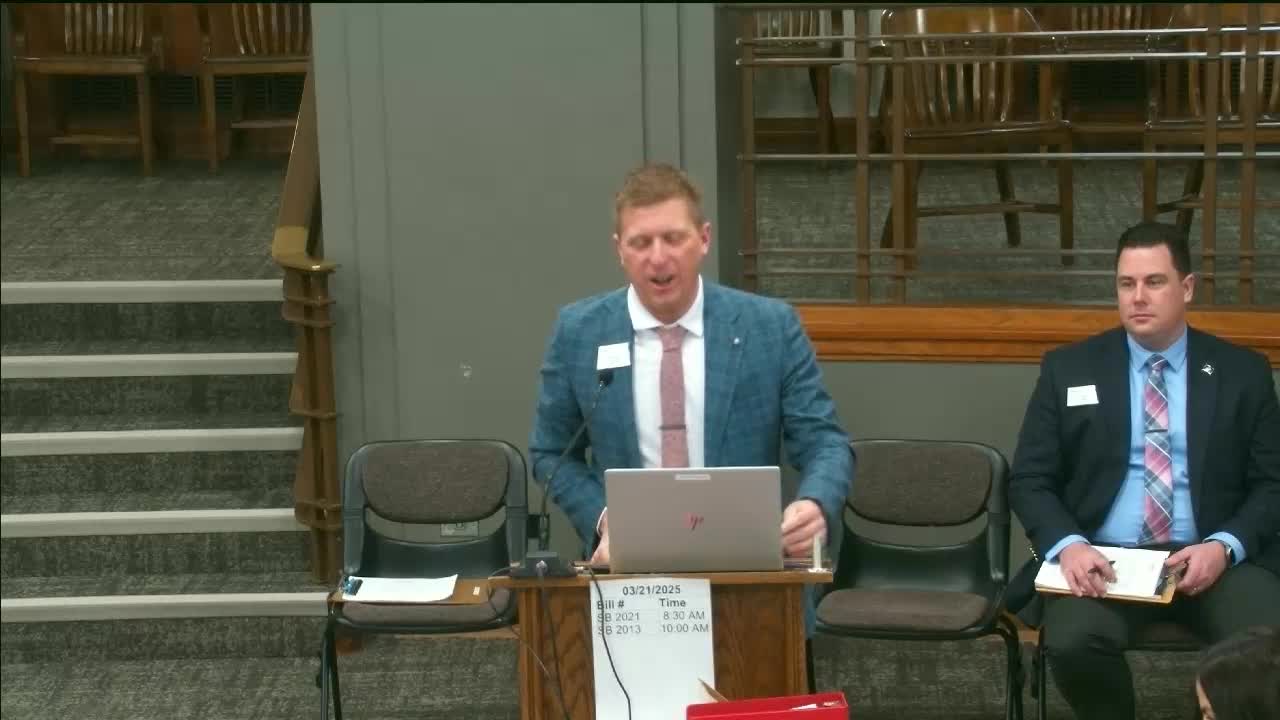
Corey Mach, chief information officer at the state’s Information Technology Department, told the House Appropriations — Government Operations Division that planning and procurement for IT projects often takes far longer than legislators expect. "For really small projects…you're still looking at 4 to 5 months," Mach said. "When you're getting into larger IT projects…you're nearly into a year before you're even beginning development."
Mach told the committee that the department wants to be involved in agencies’ strategic planning so "the business plan [can] drive the technology, not let the technology drive the business plan." He warned that vendors frequently market off‑the‑shelf products as turnkey solutions and that late IT involvement can lead agencies to implement duplicative or poorly integrated systems.
Several committee members pressed Mach on whether the state could negotiate contract terms or cost estimates before appropriations are approved. Representative Ripson Bosch said he was concerned that funding sometimes follows an idea and that "you lose all your leverage if you fund something then and then do the contract negotiations." Mach and others replied that many agencies lack resources to do thorough planning before requesting funds and that planning itself can cost “a couple hundred thousand dollars” for major projects. He recommended funding early planning dollars so agencies can develop firm scopes and budgets before full procurement.
Committee members cited long‑running efforts to move legacy applications off the state mainframe as an example of the risks of piecemeal procurement and negotiated transition phases. Mach and members agreed the unified IT structure helps, but also noted unification alone cannot solve projects that begin without sufficient up‑front planning. Mach said ITD is training technology business partners to work with agencies earlier in program design to reduce later contract and implementation problems.
The committee did not take formal action during the discussion. The conversation set the context for further budget questions and follow‑up from the department’s fiscal team at later hearings.