Get Full Government Meeting Transcripts, Videos, & Alerts Forever!
Get email alerts on the Corrections Budget topic
No spam. Unsubscribe anytime.
Appropriators weigh $23 million MRCC planning, IT replacement and temporary beds as oil‑revenue SIF shortfall tightens choices
Summary
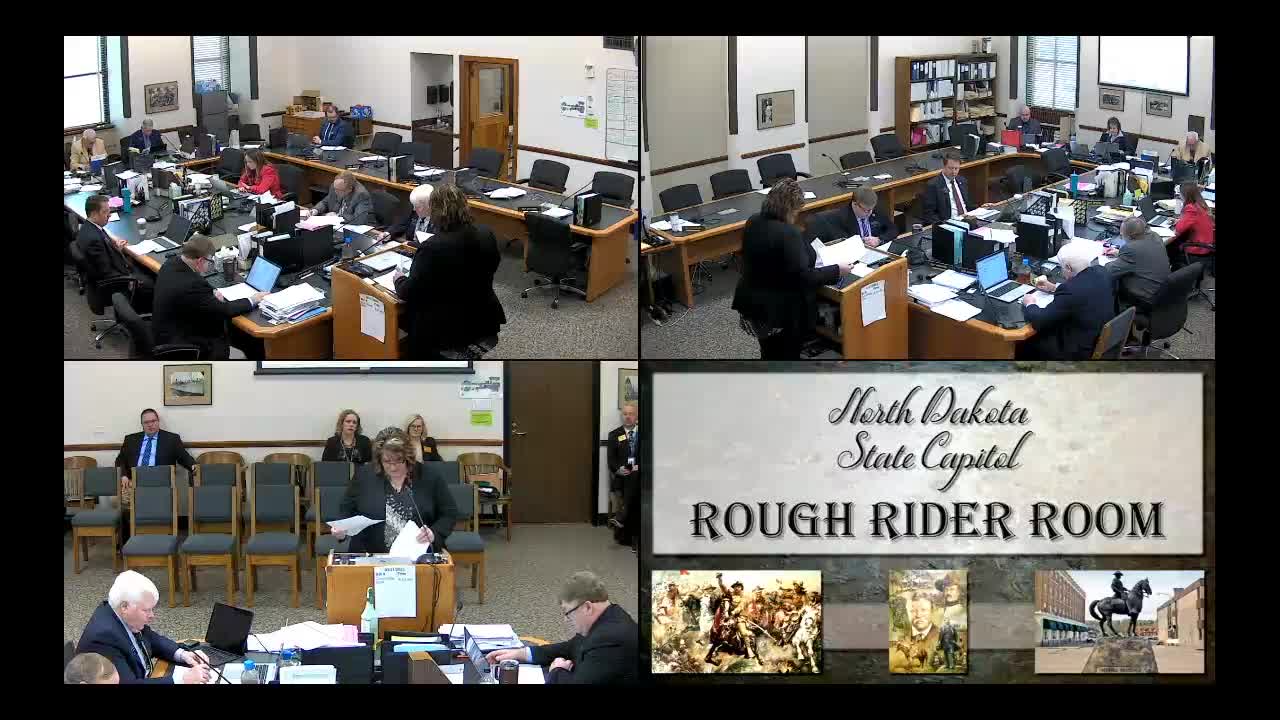
The House Appropriations Committee’s Human Resources Division spent a meeting weighing competing funding requests for the Department of Corrections and Rehabilitation, focusing on a proposed $23 million appropriation for planning at MRCC, an aging client‑management information system, deferred‑maintenance projects and a mix of short‑term bed options as members noted a 20% reduction in SIF oil‑revenue receipts.
The House Appropriations Committee’s Human Resources Division spent a meeting weighing competing funding requests for the Department of Corrections and Rehabilitation, focusing on a proposed $23 million appropriation for planning at MRCC, an aging client‑management information system, deferred‑maintenance projects and a mix of short‑term bed options as members noted a 20% reduction in SIF oil‑revenue receipts.
Committee members and agency leaders said the decisions will shape whether the state can add long‑term prison capacity, shore up rapidly deteriorating facilities and keep essential IT and medical records functioning.
Michelle Zander, chief financial officer for the Department of Corrections and Rehabilitation, told the committee she estimated “our cash balance in this fund, June thirtieth of 2027, is approximately $2,900,000,” and noted the department normally carries between $1 million and $2 million into a new biennium. That balance — identified in committee materials as the “$3.79 fund” — is one area lawmakers said could provide savings as they review reductions across state budgets.
Colby Braun, director of the department, framed the larger planning request. He said the MRCC planning line in the governor’s budget is $23 million for design work and associated services and urged members to consider the timeline and alternatives if funding is reduced. “We know that the quantity of beds that we need, and we know a possible 3 locations,” Braun said during the discussion. Committee members and staff repeatedly returned to the question of whether a smaller amount could fund a 30% (preliminary) design, or whether the full package is needed to keep the project on schedule.
Committee members pressed for cost context. A department speaker told members the estimated total cost to build a new 600‑bed facility is $498,000,000. Members noted that if planning is delayed the timetable to deliver beds could stretch to nearly a decade; several lawmakers said that risk was a major factor in deciding whether to fund full design work now or defer it.
Lawmakers also examined temporary and interim bed options the department proposed to bridge capacity shortfalls. The department discussed three categories: purchased bed space at existing county facilities (including an arrangement under negotiation with Grand Forks), a man‑camp conversion at MRCC (a one‑time request discussed at about $8 million), and short‑term leased beds at other private or local facilities. Director Braun said the department’s projections show the state could need about 287 additional beds by the end of the biennium and that the various projects combined would bring roughly 302–304 beds online, depending on final agreements.
Representatives repeatedly warned that county jails were not a long‑term substitute for prison construction. “Jails aren’t the solution,” Representative Murphy said. “They’re a temporary Band‑Aid.” Several county‑level officials and members noted double‑bunking at some county jails and limits on programming and recreation when facilities designed for short stays are used long term.
Deferred maintenance and facility studies drew sustained attention. Committee members requested more detail on the JRCC study line item (described in testimony as about three‑quarters of a million dollars from SIF) and on whether older buildings such as the Lahau building could be repurposed. Chris Jangula, chief physical plant officer for the department, said JRCC core buildings are old and “things are crumbling,” citing collapsing sewer infrastructure and a 100‑year‑old dining facility and kitchen that also serves the state hospital.
Several lawmakers and agency officials warned that the Strategic Investment Fund (SIF) — used to pay many of the corrections capital requests on the department’s handout — will bring less revenue than expected because of changes tied to stripper well exemptions. One member told the committee that “20% of the oil revenue extraction is not gonna be available because of the stripper well situation,” a reduction members said forces harder prioritization across agencies.
IT systems and medical records were described as mission‑critical. Amy Viroczyk, the department’s chief administrative officer, said the department currently operates two records systems (facility and community sides) and that the facility system is “at end of life. It’s dying. We’re hobbling and limping along.” She said a short‑term upgrade to the facility system would cost about $3.5 million and that moving both facility and community records onto a single new client‑management platform would add roughly $2 million more, for a total in the mid‑$5 million range; committee members described those projects as essential to daily operations and to continuity of medical and behavioral‑health care on reentry.
Committee members emphasized tradeoffs. Several said they supported keeping the women’s prison funding on track — members confirmed a planned groundbreaking for the women’s prison on April 4 — while wrestling with whether to fund MRCC planning in full now, scale it back to pay for critical deferred maintenance, or shift money to temporary bed agreements to meet immediate demand.
Chairman Nelson said the committee will continue discussions and that conference committees and further budget negotiations will be used to prioritize among these needs. Several members urged continued engagement from both the department and county partners as negotiators weigh design, construction and short‑term solutions.
The committee did not take formal votes on any of the items during the session recorded in the transcript; members directed further analysis on 30% design cost options, firm cost‑breakdowns for JRCC and MRCC work, and the exact costs tied to the Grand Forks and man‑camp bed proposals.
Ending: Committee leaders told members they will carry the department’s requests into conference deliberations and asked staff to provide additional cost breakdowns and 30%‑design estimates before final budget decisions are made.